
Your front door has a deadbolt and your alarm has a sticker, but burglars are not impressed. They look for the soft edges you forgot about: a side gate that never latches, a sliding door that lifts in the track, a garage release cord they can fish in under a minute. According to FBI Uniform Crime Reporting data, the average burglary loss runs $2,500 to $3,300 in stolen property, before you add broken frames and a deductible that erases your savings.
Most of these blind spots are cheap to close. A sliding door bar runs $20 to $60, a motion floodlight runs $80 to $200, and a smart lock from Schlage Encode or August runs $150 to $400. The same overlooked openings that invite common home infestations are advertising your home to a different kind of intruder.
1. The Side Gate You Never Lock
The side gate is the most ignored door on your property. It separates the public sidewalk from your private backyard, where every basement window, hose bib, and patio door becomes fair game once someone is past the fence. Most homeowners leave it latched but not locked.
Burglars love this because they can step into a private work area in five seconds and disappear from street view. From inside your yard they have time to pry a window without a neighbor noticing. A self-closing latch with a keyed deadbolt runs $40 to $90 and removes the easiest opportunity on your property.
Add a motion light above the gate so anything moving through it lights up the side yard. The same edge-of-property thinking that drives simple home safety habits belongs at every fence opening, because a locked gate forces a burglar to climb in plain view.
2. Overgrown Bushes Below First-Floor Windows
Tall shrubs and dense privacy hedges look great from the curb and even better to a burglar. Anything growing past the windowsill creates a screen they can work behind, prying a frame or cutting a screen without being seen from the street.
Landscape security comes down to sight lines. Trim every shrub under a first-floor window to no more than 36 inches, and limb up trees so the canopy starts at least 6 feet off the ground. The cost is one Saturday afternoon and a $30 pair of loppers, but it can prevent a $3,000 loss plus your deductible.
Plant thorny shrubs like barberry, holly, or roses below ground-floor windows. They look like landscaping and feel like barbed wire. This is the same thinking that protects against the most overlooked household hazards indoors, where small fixes prevent expensive damage.
3. Sliding Patio Doors With No Secondary Lock
Sliding glass doors are the second-favorite entry point in the country because the factory latch is almost always the weakest part of the assembly. A trained burglar can lift an older door off the track or shim the latch in under sixty seconds, exposing the back of your living room to a $3,000 to $8,000 loss.
A sliding door security bar that drops into the floor track costs $20 to $60 and stops the door from sliding even if the latch is defeated. Add a charley bar or a foot-operated pin lock for a second layer. Together these two add-ons run under $80.
Clean the track. A door that closes fully sits flush against the frame, and a flush door is harder to lift. This belongs on the list of things homeowners should check monthly, alongside smoke alarms and water shutoffs.
4. The Garage Manual-Release Cord
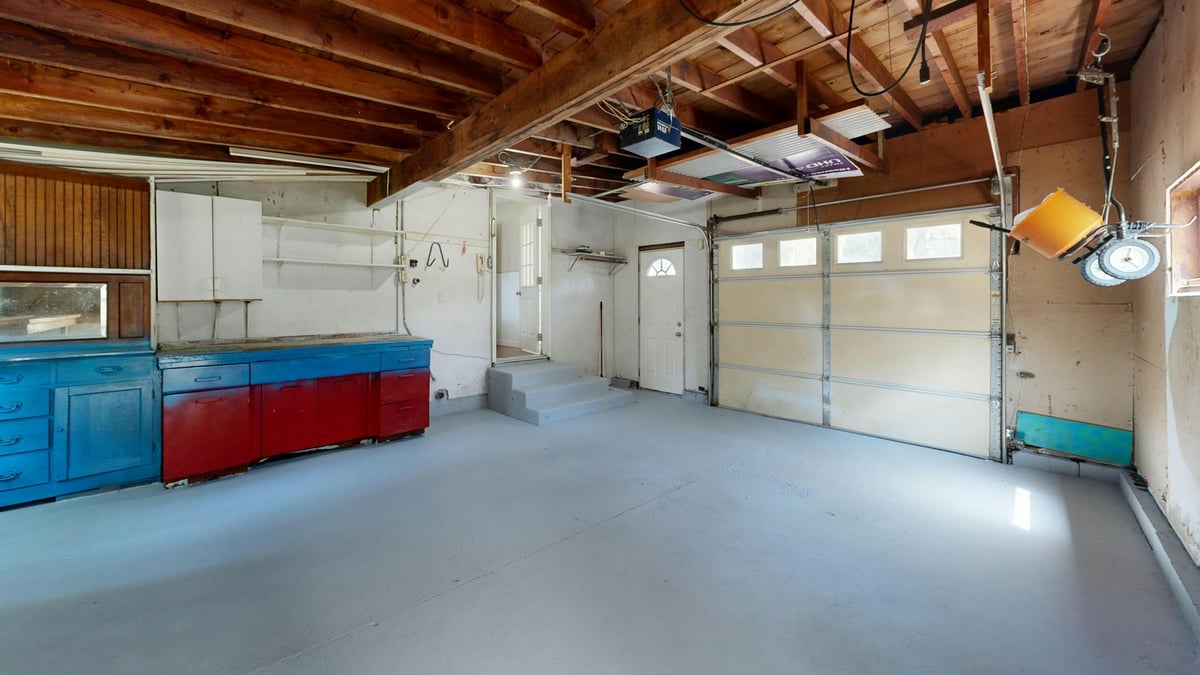
This is the trick almost nobody talks about, and it works on millions of garage doors built before 2010. Most overhead doors have a red emergency-release cord that hangs from the trolley. A burglar fishes a coat hanger through the top rubber seal, hooks the cord, and pulls the door into manual mode in thirty seconds. The door rolls up by hand and they walk in.
From inside the garage they have your tools, bikes, the car if it is parked there, and frequently an unlocked interior door into the kitchen. A typical garage break-in runs $2,000 to $12,000. A Schlage Encode or August smart lock on that interior door runs $150 to $400 and removes the easiest second step.
Block the cord trick with a $5 zip tie that secures the release lever to the trolley, or buy a $15 shield that covers the top seal. Cover the garage windows with privacy film and never leave the opener clipped to the visor of a car parked outside. That layered approach is the same logic behind the best gadgets that turn your home into a smart home.
5. Mail and Package Pileups That Signal Absence
A porch stacked with Amazon boxes tells anyone driving by that you order online and have not been home long enough to bring the packages in. Newspapers piled on the driveway and circulars wedged in the screen door amplify the signal.
Porch theft alone runs $100 to $500 per incident, but the bigger risk is the second visit. Once a property looks empty for a week, the same vehicle often comes back for the inside. A Ring, Nest, or Arlo camera with package detection runs $50 to $300 and turns a porch into a recorded zone.
Use delivery alerts, route packages to an Amazon Hub, and ask a neighbor to clear the porch when you travel. A $50 timer on two interior lamps adds the impression of someone home. This appears on every list of critical home maintenance issues you keep neglecting, because empty homes invite more than burglars.
6. The Unlit Driveway and Dark Side Yard
Light is the cheapest deterrent in home security. A burglar who has to work in a spotlit area is a burglar who picks another house. Most homes have one porch light at the front door and complete darkness everywhere else, which leaves the side yard, the driveway behind the car, and the back patio in shadow all night.
A motion-activated LED floodlight runs $80 to $200 and covers a 180-degree zone with enough lumens to make every shadow useless. Install one above the garage facing the driveway, one above each side gate, and one above the back patio. The total bill comes to under $600, less than a single insurance deductible.
Pair the floodlights with low-voltage path lighting along the side of the house. The same low-cost lighting upgrades that lift curb appeal also remove the cover burglars rely on. While you swap fixtures, replace any cheap halogen units, since old exterior lighting is one of the dangerous lighting fixtures that create fire hazards and high electric bills.
7. Hidden Keys and Missing Front-Door Coverage
The fake rock, the under-mat hideaway, the magnetic box stuck under the meter cover. Every burglar knows the same six hiding spots you do, and they check all of them before the front door is even tested. A spare key under the mat is the cheapest gift you can hand to someone walking the neighborhood.
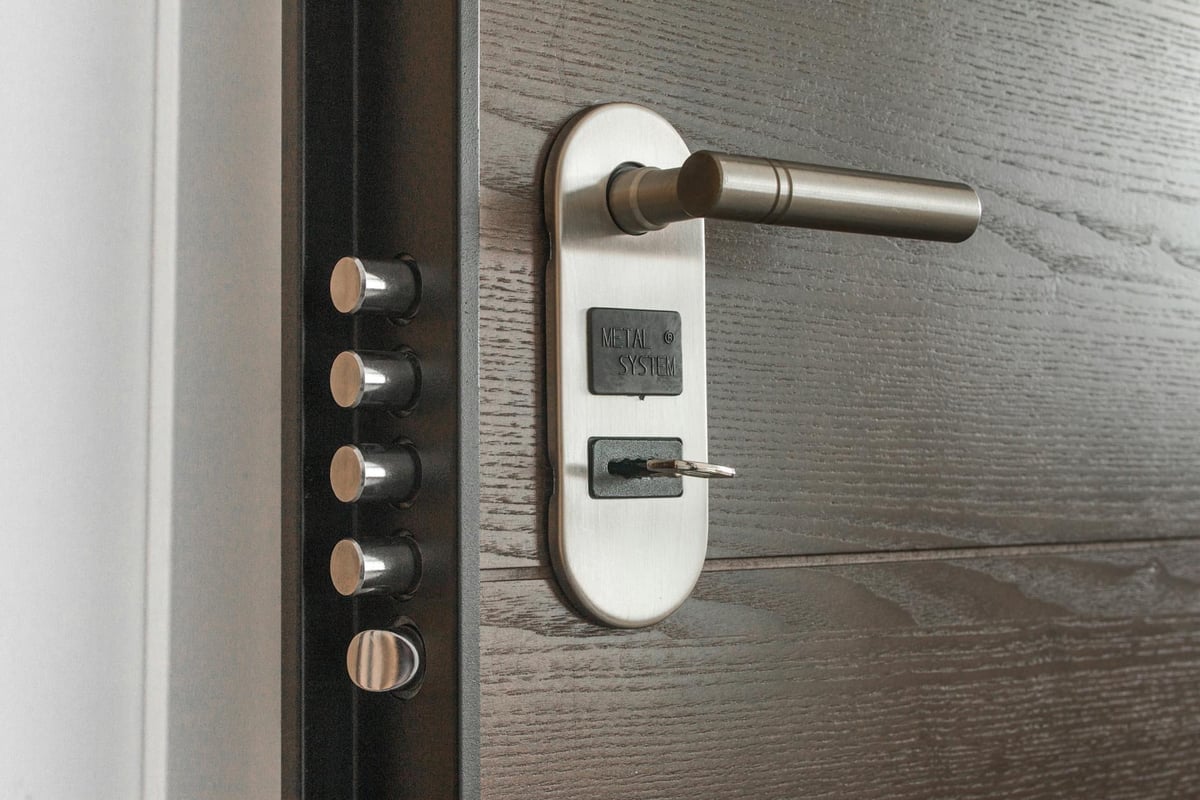
Replace every hidden key with a smart lock. A Schlage Encode, August, or comparable model runs $150 to $400 and lets you give a single-use code to a contractor, dog walker, or grandchild without ever cutting another key. The hardware also tells you who entered and when, which becomes evidence if anything goes missing.
Add a smart doorbell from Ring, Nest, or Arlo for $50 to $300 so you can see and speak to anyone at the door from your phone. Many burglars knock first to confirm the house is empty. This is the kind of small-spend, big-payoff change that belongs on the same list as smoke alarm maintenance, where ten minutes and forty dollars can prevent a five-figure loss.
What Actually Works: The Layered Perimeter Fix
The safest homes are not the ones with the loudest alarm. They are the ones that look like too much work from the street. Layered security combines locks, lights, sight lines, and the appearance of constant occupancy so a burglar moves on to an easier address two doors down.
Spend your first $300 on the four highest-leverage items: a sliding door bar at $20 to $60, a motion floodlight at $80 to $200, a smart deadbolt at $150 to $400 on the interior garage door, and a Ring or Nest doorbell at $50 to $300 watching the driveway. The second $300 buys gate hardware, window film, and timers. If you are listing the house, the same stack pairs with the prep work behind selling your home fast, because empty staged homes are favorite targets during showings.
Walk your property tonight after dark. Stand on the sidewalk and ask yourself which window you would try if the keys were lost. Whatever you point at first is what gets fixed this weekend, then run the same monthly check that covers the things homeowners should check monthly so nothing drifts back into a blind spot a year from now.
- 5shares
- Facebook0
- Twitter1
- Pinterest4