
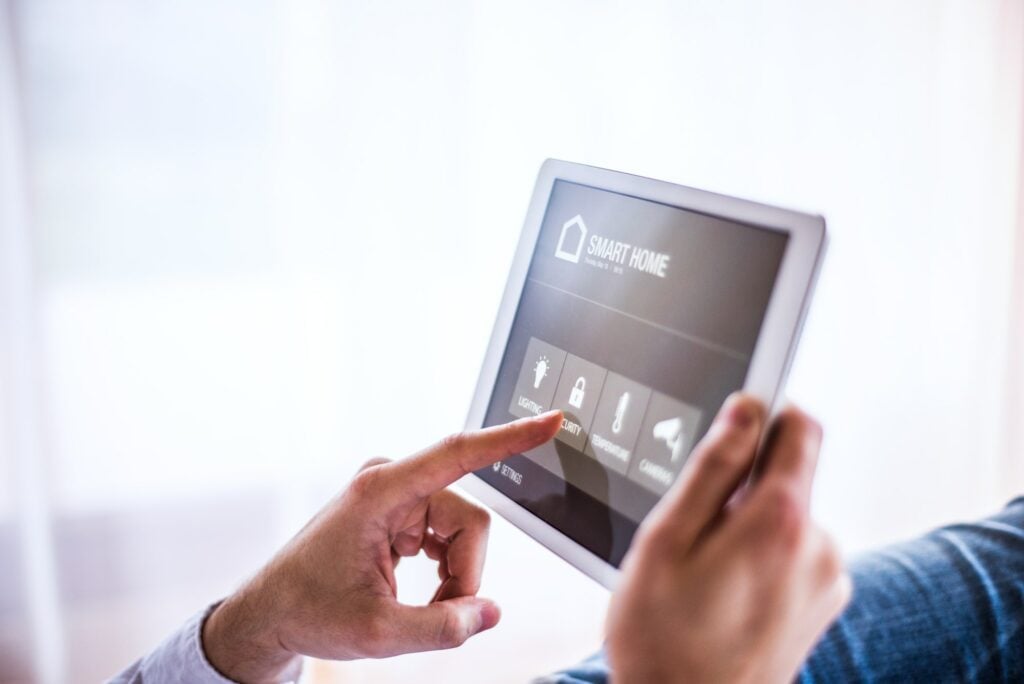
Smart homes are no longer a luxury. They pay for themselves through energy savings, water conservation, and insurance discounts. If you install the right gadgets, you can cut your utility bills by $1,200 per year and add measurable resale value to your home. This article covers seven proven smart devices that deliver real ROI, not just convenience.
1. Learning Thermostat: Save $130 to $180 per Year
A learning thermostat like the Google Nest or Ecobee automatically adjusts your heating and cooling based on your schedule and preferences. The U.S. Department of Energy confirms that ENERGY STAR-certified smart thermostats reduce HVAC energy consumption by 10 to 15 percent. For the average household spending $1,300 annually on heating and cooling, that translates to $130 to $195 in annual savings.
Installation costs $250 to $400 for the thermostat and professional setup. You break even in 2 to 3 years, then enjoy pure savings. Most homeowners also qualify for utility rebates worth $50 to $150, accelerating payback. The Nest Learning Thermostat tracks your behavior over the first week and begins optimizing automatically without any manual scheduling.
Beyond cost savings, a smart thermostat increases home value by making your property more efficient and appealing to buyers. It also integrates with smart upgrades that boost resale value.
2. Smart Water Leak Detector: Prevents $11,500 Damage Claims
A smart leak detector like Moen Flo or Phyn costs $200 to $300 upfront but prevents catastrophic water damage. The average water damage insurance claim exceeds $11,500 according to the Insurance Information Institute. Smart leak detectors monitor flow rates in real time and shut off water automatically when they detect leaks, stopping damage before it starts.
Many homeowners insurance carriers offer 5 to 15 percent discounts for homes with smart water sensors. A 10 percent discount on a $1,200 annual premium saves $120 per year. Over 10 years, that discount alone pays for the device and installation.
Moen Flo and Phyn devices also track total water usage, helping you spot inefficiencies like running toilets or dripping faucets. This visibility often uncovers $50 to $100 in monthly waste. Learn more about water damage prevention to protect your investment.
3. Smart Smoke and Carbon Monoxide Detector: Insurance Credit Plus Life Safety
Smart smoke and CO detectors like Nest Protect or First Alert OneLink cost $120 to $180 each. These devices alert you via smartphone if smoke or dangerous CO levels are detected, giving you precious minutes to evacuate. Unlike traditional alarms, smart detectors also notify emergency services directly and send alerts to your phone even when you are away.
Many insurers offer 5 to 10 percent discounts for homes with interconnected smart smoke and CO detectors. On a $1,200 premium, that is $60 to $120 annual savings. More importantly, early detection can save lives and prevent total loss of property. The cost per detector pays for itself in under two years through insurance credits alone.
Interconnected smart detectors ensure that if one alarm detects a problem, all devices in your home alert you simultaneously. They also test themselves monthly and notify you of low batteries before they fail. Check out smoke alarm maintenance requirements to ensure your system stays reliable.
4. Smart Door Lock: Locks Cost $250 to $400, Insurance Savings Add Up
Smart locks like Schlage Encode or August Wi-Fi eliminate the need for physical keys and let you lock or unlock doors from anywhere. They cost $250 to $400 installed and integrate with your smartphone or keypad. You can grant temporary access to guests or service providers without sharing a spare key, then revoke access remotely when they leave.
Smart locks qualify for modest homeowners insurance discounts (3 to 5 percent) because they reduce break-in risk. More importantly, they eliminate lost-key incidents and the expense of rekeying locks. When combined with other smart security measures, the cumulative insurance savings add up quickly.
Smart locks also provide audit trails showing exactly when each door was locked or unlocked. This feature is invaluable if you rent out a room or want to know when family members arrive home. Read more about home security gaps burglars exploit to understand where smart locks fit into your broader security strategy.
5. Smart Video Doorbell: Deters Burglars and Fraud
A smart doorbell like Ring or Nest Hello costs $100 to $200 and provides 24/7 video surveillance of your front entrance. Live video feeds deter package theft and break-ins because potential criminals know they are being recorded. Insurance companies recognize this and often offer 5 to 10 percent discounts for properties with visible security cameras.
Smart doorbells also prevent porch pirates from stealing deliveries, saving you the hassle of filing claims with retailers. Two-way audio lets you speak to visitors remotely, allowing you to pretend someone is home even when you travel. Night vision captures clear footage in darkness, so you have evidence if a crime occurs.
Many smart doorbells integrate with voice assistants, notifying you immediately when motion is detected or someone rings the bell. This real-time alert means you never miss a delivery or unexpected visitor. Combine this with other proven safety measures for comprehensive protection.
6. Smart Garage Door Opener: Peace of Mind Plus Insurance Discount
A smart garage door opener like Chamberlain myQ costs $90 to $150 and lets you open or close your garage door from anywhere. You can check whether you left the garage open and close it remotely, eliminating the common “Did I close the garage?” worry. Many smart openers also notify you when the door opens or closes, alerting you to unauthorized access.
Insurers offer 3 to 5 percent discounts for homes with smart garage door controllers because they reduce break-in risk and theft. An open garage is one of the easiest entry points for burglars. Real-time notifications ensure you catch problems immediately.
Smart garage openers integrate with smart locks and lighting, allowing you to create “coming home” routines that unlock your door, open the garage, and turn on lights simultaneously. This convenience also reduces the time your home sits dark and empty, a visible sign to criminals that nobody is home.
7. Smart Lighting: Save $100 to $150 Annually Plus Resale Appeal
Smart bulbs and switches like Philips Hue or Lutron Caseta cost $150 to $400 for whole-room installation. LED smart bulbs use 75 percent less energy than incandescent bulbs and last 25,000 hours compared to 1,000 hours for traditional bulbs. Over a year, a single smart bulb saves $5 to $10 in electricity costs, and that multiplies across dozens of fixtures in your home.
The real savings come from automation. Smart bulbs turn off automatically when rooms are unoccupied, and dimming features reduce energy consumption by another 15 to 25 percent. A home with automated lighting in five rooms easily saves $100 to $150 per year.
Smart lighting also increases home value by signaling modern upgrades to potential buyers. Programmable lighting creates an occupied appearance when you travel, deterring burglars. Explore fire hazard lighting fixtures and upgrade to safer, smarter alternatives.
What Actually Works: Seven Gadgets, $1,200 in Annual Savings
A learning thermostat saves $130 to $180. A smart leak detector provides $120 in annual insurance credits and prevents catastrophic claims. Smart smoke and CO detectors earn another $60 to $120 in discounts. Smart locks, doorbells, and garage controllers add another $50 to $100 in combined insurance savings. Smart lighting cuts $100 to $150 from your electric bill. Together, these seven gadgets deliver approximately $1,200 in annual savings through utility reductions, insurance discounts, and claim prevention.
The total investment is $1,000 to $2,000 for all seven devices and professional installation. You recover your investment in 12 to 24 months, then enjoy pure savings every year after. Additionally, homes with comprehensive smart installations command higher resale prices. Buyers expect modern features and appreciate the security and efficiency gains.
Start with a learning thermostat and a leak detector because these offer the fastest ROI. Add smart locks and cameras to improve security. Finish with smart lighting to round out your system. Each gadget pays for itself, and together they transform your home into a safer, more efficient, and more valuable property. Check out ways to increase home value and home valuation strategies to understand how these upgrades impact your property.
- 6shares
- Facebook0
- Twitter1
- Pinterest5