
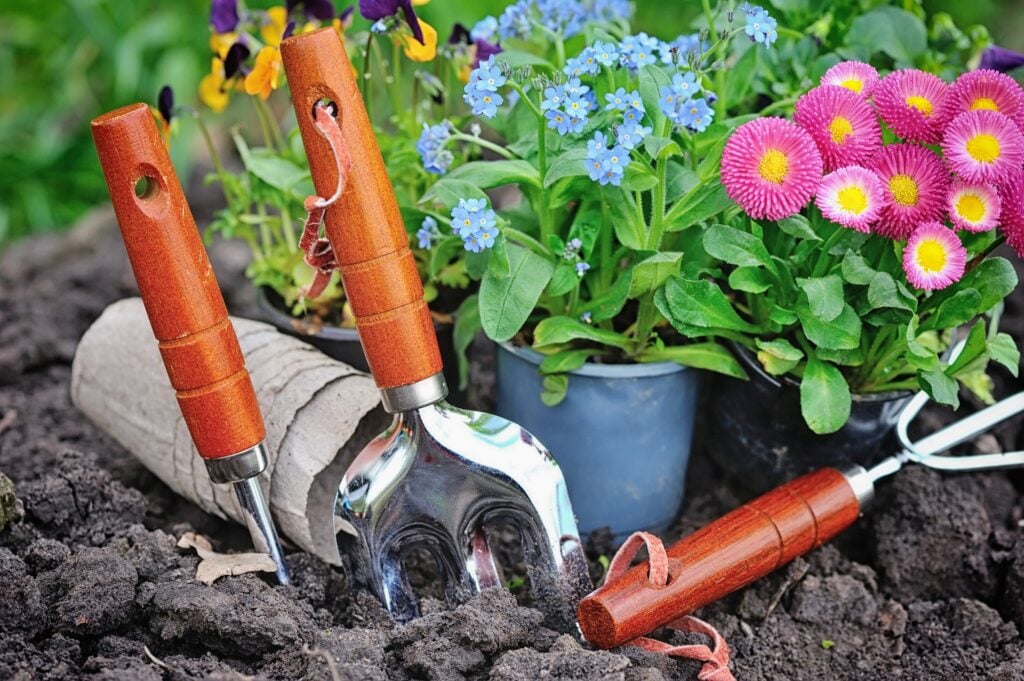
Spring is when you transform your outdoor space into a colorful landscape that boosts curb appeal and home value. The best part is that many stunning spring flowers cost just a few dollars per bulb or plant, making them affordable for any budget. Whether you plant bulbs in fall for early spring blooms or choose cool-weather favorites for spring planting, you have plenty of options across most US hardiness zones. This guide covers seven spring flowers that thrive in zones 3 through 9, why they work in typical garden conditions, and what you will spend to create a lush spring garden. When done right, spring flowers deliver hundreds of dollars in curb appeal for a minimal investment.
1. Tulips: Classic Color for $1 to $3 per Bulb
Tulips are the quintessential spring flower, offering vibrant colors from deep reds to soft pastels in nearly every hue imaginable. These perennials thrive in USDA hardiness zones 3 through 8, and they deliver blooms within 8 to 14 weeks of planting. The key to success is timing: plant tulip bulbs in fall between September and November, about 6 to 8 inches deep (roughly three times the bulb diameter) in well-drained soil.
Each bulb costs between $1 and $3, making them budget-friendly even for large plantings. For a spring bed of 25 tulips, you will spend $25 to $75, plus soil and mulch. Tulips prefer full sun, at least 6 hours daily, and will reward you with blooms that last 10 to 14 days. Many gardeners replant annually because tulips naturally decline after the first year, though some will return. To extend your investment, add a layer of mulch to prevent weed competition and maintain consistent moisture during spring growth. Proper soil preparation before planting ensures stronger bulbs and fewer problems.
2. Daffodils: Deer-Resistant Perennials for $1 to $2 per Bulb
Daffodils are among the most reliable spring flowers, blooming early (February through April in most zones) and returning year after year without replanting. These hardy perennials grow in USDA zones 3 through 9, the widest range of all spring bulbs. Plant them 6 inches deep in fall, and they will naturalize over time, spreading to create larger clumps.
Daffodils cost $1 to $2 per bulb and offer excellent value because they persist for decades in the same location. Their natural compounds make them toxic to deer and rabbits, so wildlife damage is rare. A bed of 30 daffodils costs roughly $30 to $60, a one-time investment that yields springs of blooms without annual replanting. They thrive in full sun to partial shade and tolerate poor soil better than most spring bulbs. Once established, daffodils need minimal care beyond deadheading spent flowers and allowing foliage to mature for 6 weeks after blooming.
3. Pansies: Cool-Season Color for $5 to $10 per Starter Plant
Pansies are unique spring flowers because you plant them in spring (March to April) rather than fall, making them perfect if you missed autumn bulb-planting season. These cool-tolerant annuals and biennials thrive when daytime temperatures stay below 70 degrees Fahrenheit, blooming cheerfully through cool spring months and even light frosts. They grow reliably across zones 3 through 9.
Starter plants cost $5 to $10 each, and a planting of 12 pansies will cost $60 to $120 for an instant spring bed. Unlike tulips and daffodils, pansies provide continuous color for months rather than short 2-week blooms. Deadhead regularly by pinching off spent flowers to encourage more blooms. Pansies work beautifully in containers, garden beds, or borders and come in solid colors, bi-colors, and eye-catching patterns. If you are concerned about long-term investment, remember that pansies fade as temperatures warm in late spring, making them a seasonal accent rather than a permanent fixture.
4. Snapdragons: Vertical Interest for $3 to $8 per Starter Plant
Snapdragons bring architectural interest to spring gardens with their tall spikes of dense blooms. These cool-season annuals and biennials thrive in USDA zones 3 through 9 when planted in early spring (March to April). They prefer full sun and well-drained soil, blooming from spring into early summer as long as temperatures remain moderate.
Starter plants cost $3 to $8 each, with a row of 10 plants running $30 to $80. Snapdragons grow 12 to 48 inches tall depending on variety, so they work well at the back of beds behind shorter spring flowers. Deadhead spent flower spikes to keep blooms coming throughout the season. To support these tall bloomers and prevent wind damage, you may need to stake individual plants or use a cage system. Their vertical habit makes them excellent for creating visual structure and focal points in spring gardens, and they pair beautifully with landscaping upgrades that boost home value.
5. Hyacinths: Fragrant Bulbs for $1.50 to $3 per Bulb
Hyacinths are spring’s most fragrant flowers, filling your garden with sweet perfume that carries on the breeze. These bulbs grow in USDA zones 3 through 9 and must be planted in fall (September to November), 4 to 6 inches deep in well-drained soil. They bloom in mid-spring (April to May) and naturalize slowly, meaning they persist but do not spread as aggressively as daffodils.
Each hyacinth bulb costs $1.50 to $3, making a cluster of 15 bulbs a $22 to $45 investment. Plant them in groups of 5 to 10 for maximum visual and olfactory impact. Hyacinths prefer full sun and will bloom reliably for many years in the same location. The dense flower spikes provide sculptural interest beyond their fragrance, and they pair beautifully with tulips, pansies, and other spring bloomers. After flowers fade, allow foliage to mature for 6 weeks before removing it to strengthen bulbs for next year.
6. Alliums: Unique Texture for $2 to $5 per Bulb
Alliums are underrated spring bloomers that offer architectural interest most gardeners overlook. These bulbs produce round, ball-shaped flower heads in shades of purple, pink, and white, blooming in late spring (May to June) in zones 3 through 9. Plant them 6 inches deep in fall for spring blooms that last 3 to 4 weeks.
Allium bulbs cost $2 to $5 each, with 10 bulbs running $20 to $50. Like daffodils, they are naturally deer and rabbit-resistant, making them ideal if wildlife damage costs you money in replanting and repairs. Alliums naturalize readily, meaning they will multiply over time without intervention. Their distinctive globe-shaped flowers dry beautifully on the stem, extending their garden value into summer and beyond. Once established, alliums need almost no care and tolerate dry soil better than most spring bulbs, reducing irrigation needs and maintenance.
7. Crocus: Early Bloomers for $1 to $2 per Bulb
Crocus flowers are often the first signs of spring, blooming as early as February in many zones. These tiny bulbs create natural-looking drifts across lawns and garden beds in USDA zones 3 through 9. Plant them 3 inches deep in fall (September to November) in full sun or partial shade, and they will return reliably for years with minimal care.
Crocus bulbs cost just $1 to $2 each, and their small size means you can plant 50 or more for $50 to $100, creating impressive spring carpets of color. They naturalize wonderfully, multiplying over time without replanting. Some varieties bloom so early they may surprise you during late winter warm spells. Unlike tulips and snapdragons, crocus flowers stay close to the ground, making them perfect for front borders, edging, and naturalizing under trees and shrubs. They require no staking, deadheading, or special care once established.
What Actually Works: Getting Real Value from Spring Flowers
The spring flowers that deliver the most value are those that return year after year without replanting. Daffodils, hyacinths, alliums, and crocus bulbs offer this long-term benefit at low cost, creating a one-time investment that blooms for decades. Tulips are less reliable perennials but remain affordable when treated as seasonal annuals. Pansies and snapdragons shine as cool-season gap fillers, adding color when most gardens are still brown. You can create a complete spring garden for under $50 by combining bulbs planted in fall with starter plants in spring, a fraction of professional landscape installation that costs $50 to $150 per square foot. The key is matching flowers to your USDA hardiness zone, providing proper drainage, and allowing spring foliage time to mature before cutting it back. When you follow these basics, spring flowers deliver hundreds of dollars of curb appeal for a minimal investment.
- 2shares
- Facebook0
- Twitter1
- Pinterest1