
Eight hazards are already inside your home. Most are invisible, and most homeowners have no idea until someone gets hurt or a repair bill arrives. Carbon monoxide, radon, mold, and lead paint rank among the most overlooked threats in residential buildings. Here is what each one costs and what you need to do.
1. Carbon Monoxide Detectors: One Per Floor, One Near Every Sleeping Area
Carbon monoxide has no color, no odor, and no taste. When it leaks from a gas furnace, water heater, or attached garage, it displaces oxygen in your bloodstream before you notice any symptoms. Headache, dizziness, and nausea appear first, but by then exposure may already be serious.
The National Fire Protection Association recommends at least one detector on every floor and one near every sleeping area. A quality unit costs $30 to $80. The internal sensor must be replaced every 5 to 7 years regardless of whether the alarm has ever triggered. Test each unit monthly by pressing the test button. If the alarm activates while you are inside, leave immediately and call 911 from outside. Do not return until emergency responders confirm the source is safe.
2. Radon Testing: The EPA Says 1 in 15 Homes Has Elevated Levels
Radon is a radioactive gas that forms as uranium breaks down in soil and rock, then seeps through foundation cracks into basements and lower floors. The EPA estimates 1 in 15 American homes has radon at or above the action threshold of 4 picocuries per liter. Long-term exposure is the second leading cause of lung cancer in the United States after smoking.
You cannot detect radon without a test. Short-term kits cost $15 to $30 at most hardware stores. Place the kit on the lowest livable floor for 48 to 96 hours, then mail it to the lab. If results reach 4 pCi/L or higher, a licensed contractor can install a sub-slab depressurization system for $800 to $2,500 to draw radon out before it enters your living space. The EPA recommends testing every home and retesting every two years.
3. Smoke Alarms: Test Monthly, Replace Every 10 Years
The National Fire Protection Association reports that roughly half of all home fire deaths occur in homes without a working smoke alarm. Dead batteries and alarms past their service life are the most common causes of failure.
Press the test button on every alarm once per month. Replace batteries every six months in battery-only units, even if they are not chirping. Smoke alarm maintenance has two annual requirements that most households miss entirely. Any alarm older than 10 years must be replaced because the sensor degrades and responds more slowly to smoke. Place alarms on every level, inside each bedroom, and outside sleeping areas. Never paint over a detector or mount it near a ceiling vent that could dilute smoke before it reaches the sensor.
4. Lead Paint: Any Home Built Before 1978 Is a Risk
The federal government banned lead-based paint from residential use in 1978. If your home predates that year, lead may be present under newer paint on walls, trim, windows, and doors. The Agency for Toxic Substances and Disease Registry identifies lead as a serious hazard for children under six and pregnant women, as even low-level exposure lowers IQ and causes behavioral problems that persist into adulthood.
Assume lead is present in any pre-1978 home until a test proves otherwise. Swab test kits cost $10 to $20. The danger comes from sanding or scraping painted surfaces, which releases lead dust into the air. Professional lead abatement addresses hazards that untrained removal makes significantly worse. Full removal by a licensed contractor runs $1,500 to $15,000 depending on scope. If you rent a pre-1978 unit, report any peeling or chipping paint to your landlord in writing.
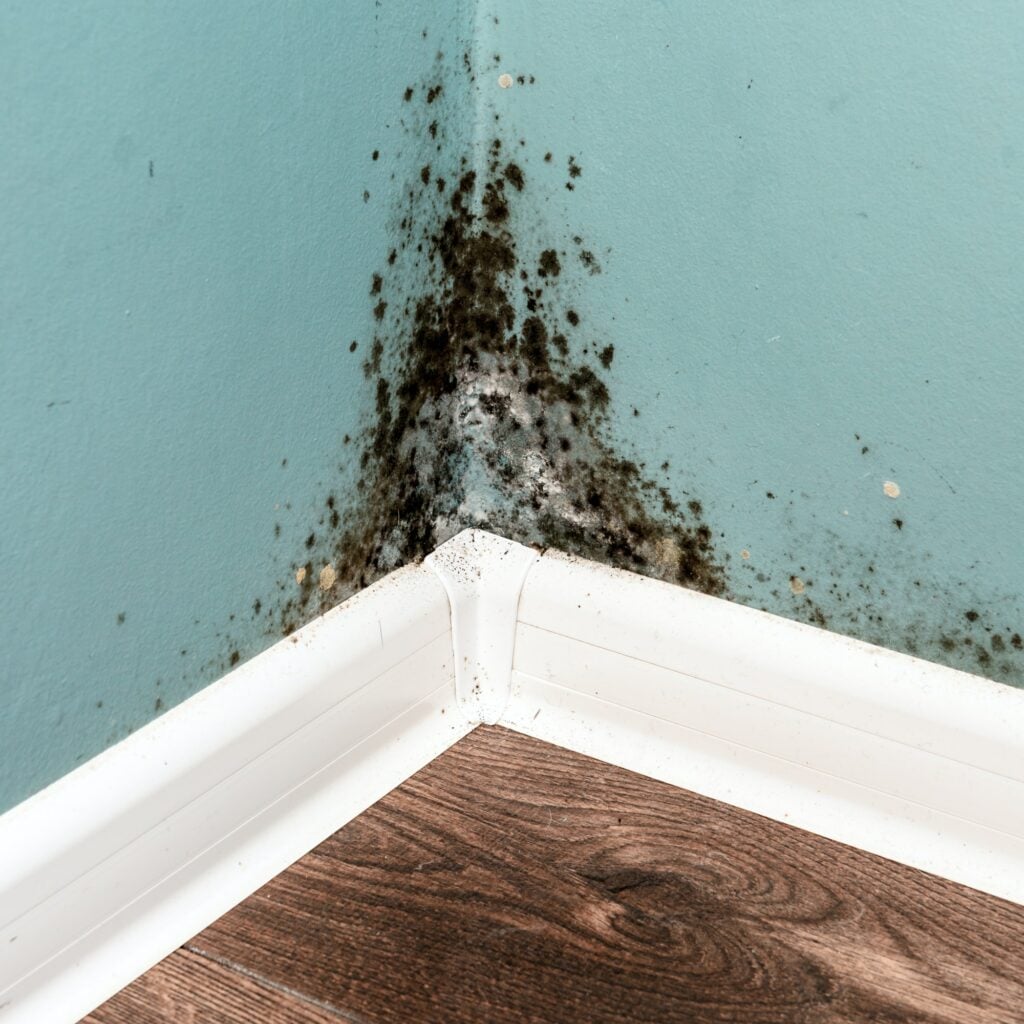
5. Mold: Wet Rooms and Basements Breed It Faster Than You Think
Mold grows wherever moisture sits for more than 24 to 48 hours. Bathrooms, basements, under-sink cabinets, and spaces behind appliances are the most common locations. Inhaling mold spores irritates the respiratory tract, triggers asthma attacks, and causes chronic coughing.
Check for discoloration or a musty odor around the toilet base, inside shower grout, along basement walls after rain, and behind the dishwasher. Patches under 10 square feet can be treated with diluted bleach or a commercial mold remover. Larger infestations require professional remediation costing $500 to $6,000. Water intrusion is the underlying problem, and fixing the source prevents mold from returning. Exhaust fan placement determines whether moisture clears or spreads to adjacent spaces. Run the bathroom fan during every shower and for 30 minutes afterward.
6. GFCI Outlets: Required in Every Wet Room for a Reason
A ground fault circuit interrupter detects current flowing through an unintended path, such as water or a person, and cuts power in about one millisecond. Standard outlets cannot do this. The National Electrical Code requires GFCI protection in bathrooms, kitchens within 6 feet of any sink, laundry rooms, garages, and wet basements.
A single GFCI outlet costs $15 to $25, and a licensed electrician charges roughly $100 to $150 per outlet for installation. Electrical hazards in the home extend beyond outlets, but GFCI protection in wet rooms is one of the cheapest safety upgrades available. If your home was built before 1980, bathrooms and the kitchen may still lack GFCI coverage. Test every GFCI outlet monthly by pressing the Test button until it clicks off, then pressing Reset. A GFCI that does not respond must be replaced.
7. HVAC Filters: MERV 11 Removes What Cheap Filters Miss
Your forced-air system moves all the air in your home five to eight times per day. A standard fiberglass filter captures large dust particles and little else, while pollen, pet dander, mold spores, and fine particulates pass through. A MERV 11 filter captures at least 85 percent of particles down to 1 micron, covering the allergens and biological contaminants that cause the most respiratory harm.
MERV 11 filters cost $15 to $30 each and fit most residential furnaces. Change the filter every three months, or every six weeks if you have pets or someone with asthma in the household. A clogged filter raises your energy bill and can overheat the heat exchanger. Check the filter visually every month and replace it as soon as buildup is visible.
8. Dryer Lint: Clean the Trap Every Load, the Duct Once a Year
Lint is composed of fine fabric fibers and dried detergent residue, both highly combustible. The National Fire Protection Association estimates dryers cause roughly 13,000 to 15,000 residential fires per year in the United States. Most start inside the exhaust duct, not the lint trap, because homeowners clean the trap but never address the ductwork.
Remove and wipe the lint trap after every load. Once per year, disconnect the dryer, pull the duct away from the exhaust port, and vacuum the inside with a brush attachment. Check the exterior vent flap to confirm it opens when the dryer runs and closes when it stops. If the duct is longer than 8 feet or has multiple bends, a professional cleaning costs $80 to $180. Dryer fires most often ignite at night. Keeping the trap clean and the duct clear takes seconds per load and one hour per year.
What Actually Works: A Home Safety Checklist That Saves Lives and Money
Start with the steps that cost nothing. Test every smoke alarm and every GFCI outlet today. Clean the dryer lint trap. Check the HVAC filter and swap it out if it is gray. These actions take under an hour and address the most common causes of residential fires and injuries.
Next, order a radon test kit and a replacement CO detector if either is overdue. Both together cost under $100 and address two hazards that kill thousands of people each year with no visible warning. Radon and mold share one trait with many infestations: you cannot see them until the damage is done. If your home predates 1978, pick up a lead swab test on your next hardware store run.
For larger projects, get contractor quotes for lead abatement, radon mitigation, or mold remediation if any test reveals a problem. The costs are real but far lower than the medical bills and structural repairs that follow from ignoring results. A safe home takes a handful of recurring habits and the willingness to act on what inspections find. Address one item this week.
- 0shares
- Facebook0
- Twitter0
- Pinterest0