Tips To Rid Your Home Of Pests Forever

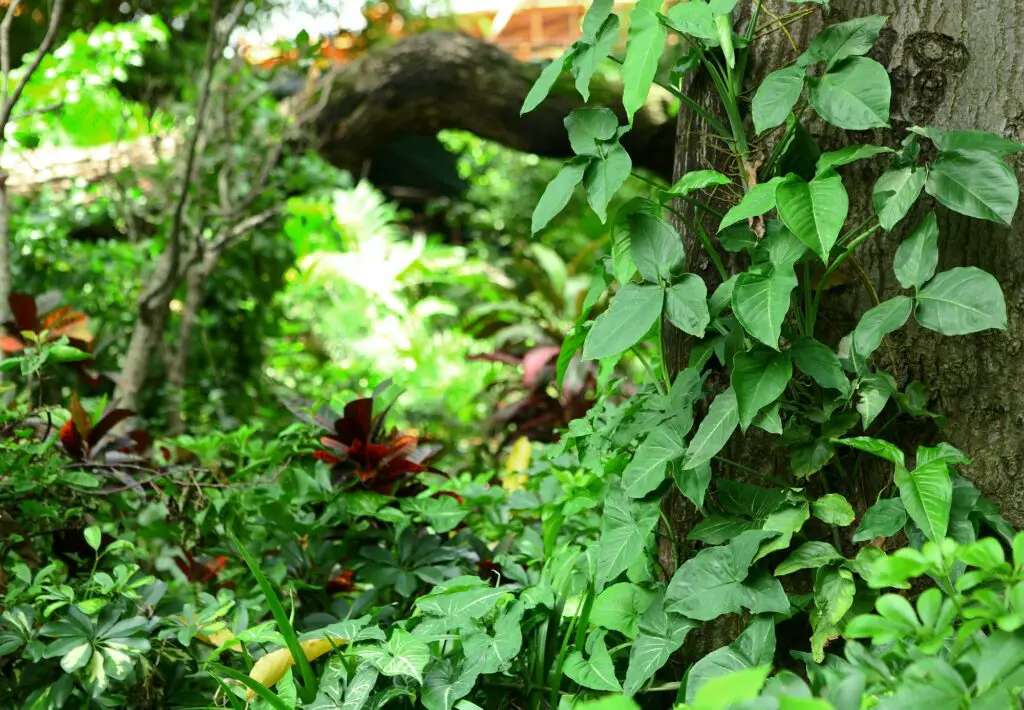
Plants and mulch near a home that can attract pests

You can spray, set traps, and call exterminators twice a year, yet ants keep marching across your counters and mice keep leaving droppings behind the stove. A single call-out treatment runs $150 to $400 without fixing the cause.

Termites and rodents that move in through entry points you never inspected can chew through wiring, insulation, and structural wood, leaving repair bills of $1,500 to $8,000. These eight entry points are the real reason pests keep coming back.

Plants and mulch near a home that can attract pests

1. Mulch Beds and Shrubs Touching the Foundation

Heavy mulch piled against your siding stays damp for weeks, and that warm strip is exactly what termites, carpenter ants, and roaches need to set up within inches of your foundation. Shrubs touching the house turn into a covered highway from soil to siding.

Dense plantings also hide foundation cracks and mud tubes, and let rodents climb to soffit gaps without crossing open ground. You stop seeing the warning signs before you stop seeing the pests.

Pull mulch back at least six inches from the foundation and keep it under two inches deep near the house. Trim every shrub so it sits a foot off the siding, and switch to pea gravel along the first three feet if a bed stays soggy.

Refreshing mulch and trimming shrubs costs $100 to $600 in materials, against $1,200 to $3,500 for termite treatment once the colony reaches the sill plate. If pests are already inside, cross-check signs against the 7 most common home infestations.

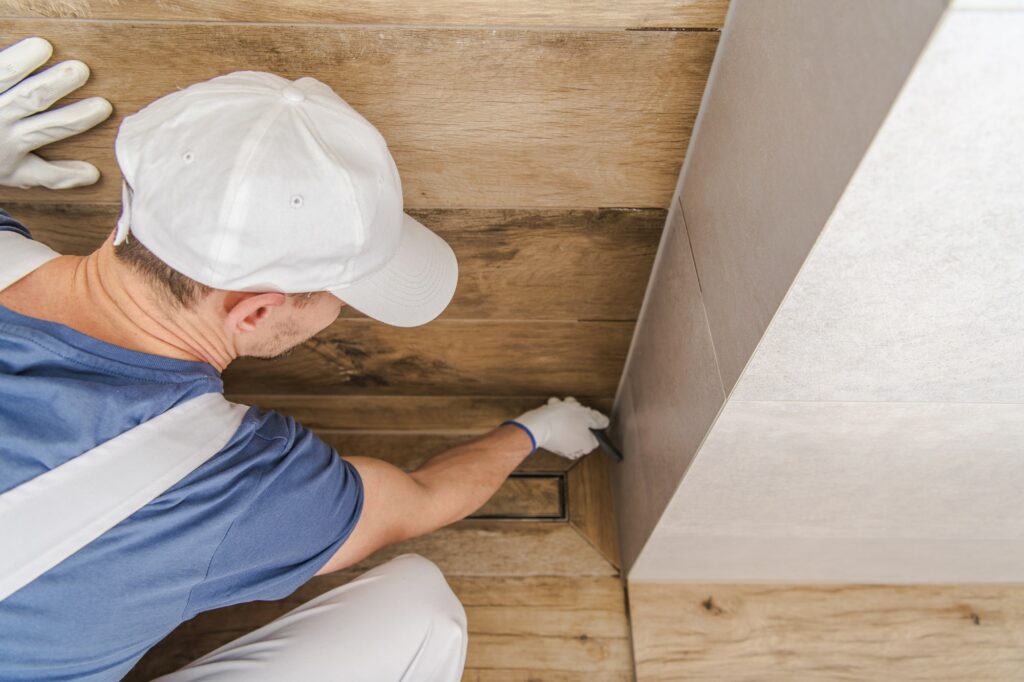
Sealing gaps and openings to keep pests out

2. Gaps Around Doors, Windows, and Utility Lines

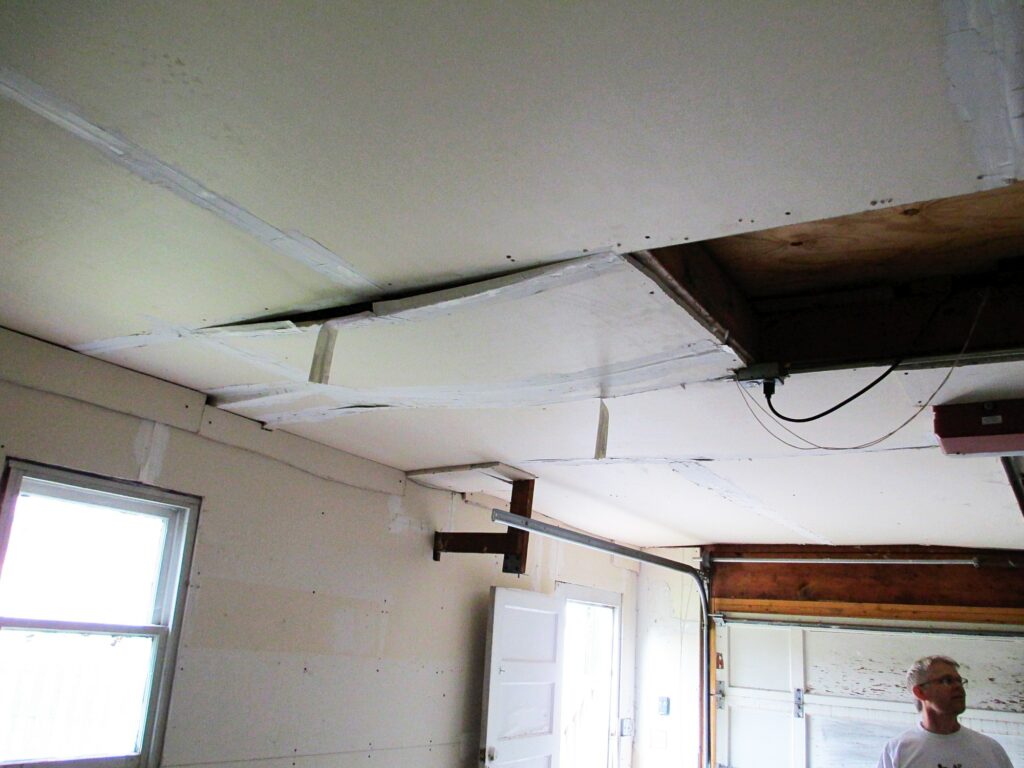
A house mouse can squeeze through a gap the width of a pencil, and a young rat fits through a hole the size of a quarter. The gaps around your dryer vent, AC line set, gas line, and exterior outlets are usually that big and line up straight into your wall cavities.

Door sweeps wear out and old pipe foam cracks. A worn corner on a garage door seal is enough to let in roaches, crickets, and field mice every fall.

Walk the exterior with a flashlight. Seal small gaps with silicone caulk, fill larger holes with copper mesh or steel wool behind expanding foam, and replace any door sweep that does not drag the threshold.

Basic sealing supplies cost $25 to $150. A professional exclusion contractor charges $400 to $1,200 for a full perimeter seal, which still beats $300 to $800 a year in repeat treatments.

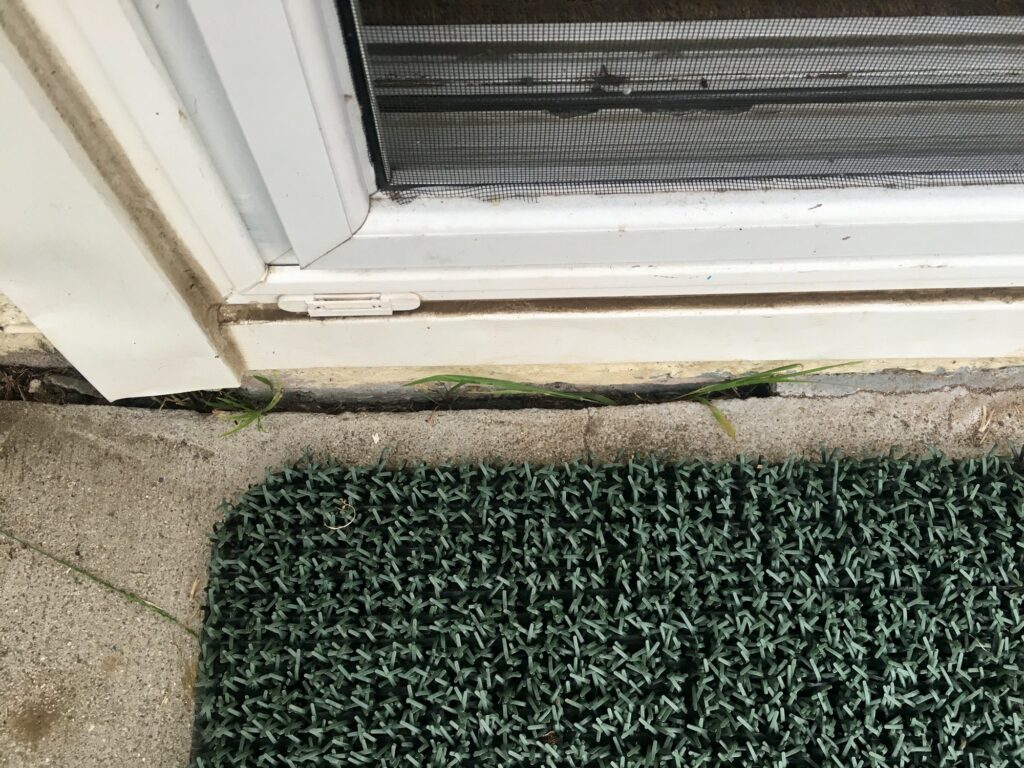
Foundation crack that can let pests enter a home

3. Foundation Cracks and Crawl Space Vents

Hairline cracks look harmless, but anything wider than a credit card will pass ants and a quarter-inch stress fracture passes a juvenile mouse. Crawl space vents with torn screens open straight into the joist bay under your floor.

Foundations move with every freeze and thaw, and older homes often have crawl vents the original mesh rusted out of. Roaches, snakes, and rodents use these openings constantly.

Walk the foundation twice a year and patch anything wider than a credit card with hydraulic cement. Replace torn vent screens with quarter-inch hardware cloth, not fiberglass, because mice chew through fiberglass in minutes.

A tube of hydraulic cement runs $10 to $25 and a roll of hardware cloth is $30 to $80. Professional crack injection runs $300 to $800 per crack. Cracks can also signal moisture, so review the likely causes of water damage before sealing over a wet spot.

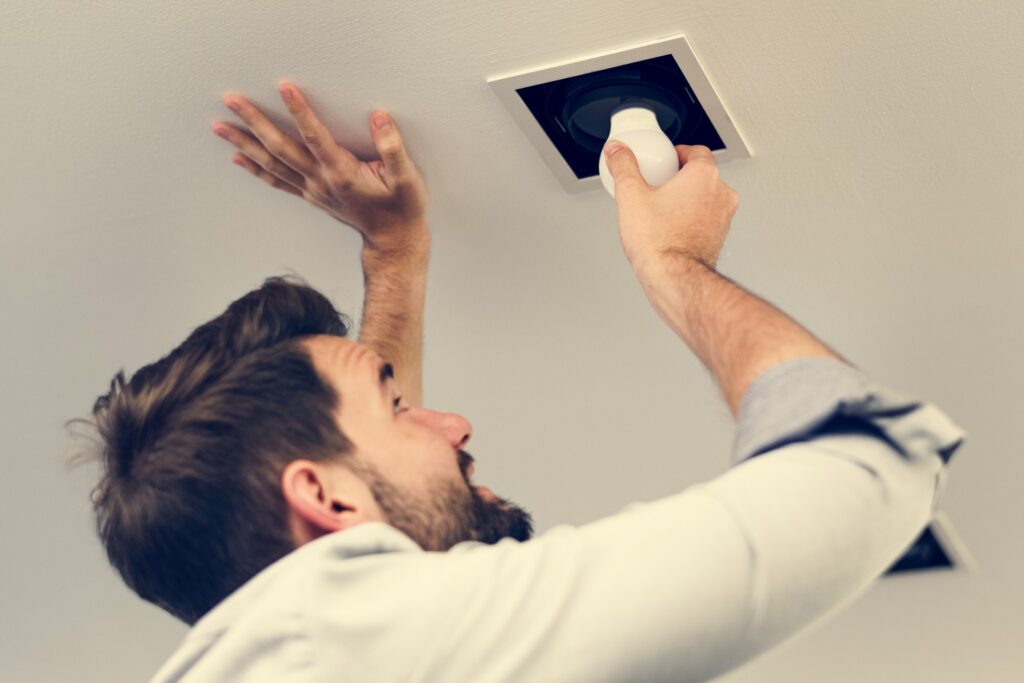
Changing exterior light bulbs to reduce flying insects near the home

4. Bright White Exterior Lights Beside Your Doors

Flying insects navigate by ultraviolet light, and the cool-white LED in your porch fixture pumps out exactly the wavelengths they follow. Moths and beetles cluster around the bulb, spiders move in to eat them, and within a season your front door has an ecosystem stuck to it.

Every time you open that door, dozens of insects ride the air current inside. Fixtures right next to doors and windows multiply the effect because the light spills onto entry surfaces.

Swap cool-white bulbs for warm amber or true yellow bug-light LEDs at 2200K or lower. Move the brightest fixtures away from doors, and put porch lights on a motion sensor.

A four-pack of amber LEDs runs $20 to $50 and a motion sensor adapter is $15 to $40. Treating porches for spiders and flying insects costs $150 to $500 a year, so the bulbs pay back inside one summer.

Clean recyclables stored properly to avoid pests

5. Unrinsed Recycling and Trash Bins Near the House

A soda can with a quarter inch of syrup is a five-star meal for ants and yellowjackets, and an unrinsed wine bottle becomes a fruit fly nursery in three days. Most homeowners keep both right next to the back door.

Pests follow the smell to the source and then explore inward. Roaches and rats both nest within 150 feet of their food, which puts your pantry in range.

Rinse every can, bottle, and jar before it goes in the bin. Move recycling and trash containers at least ten feet from the house, use locking lids rated for raccoons, and empty kitchen trash before the bag starts to smell.

A pair of locking outdoor bins costs $80 to $200, against $400 to $1,500 for an ant or roach treatment plus the contaminated food you throw out.

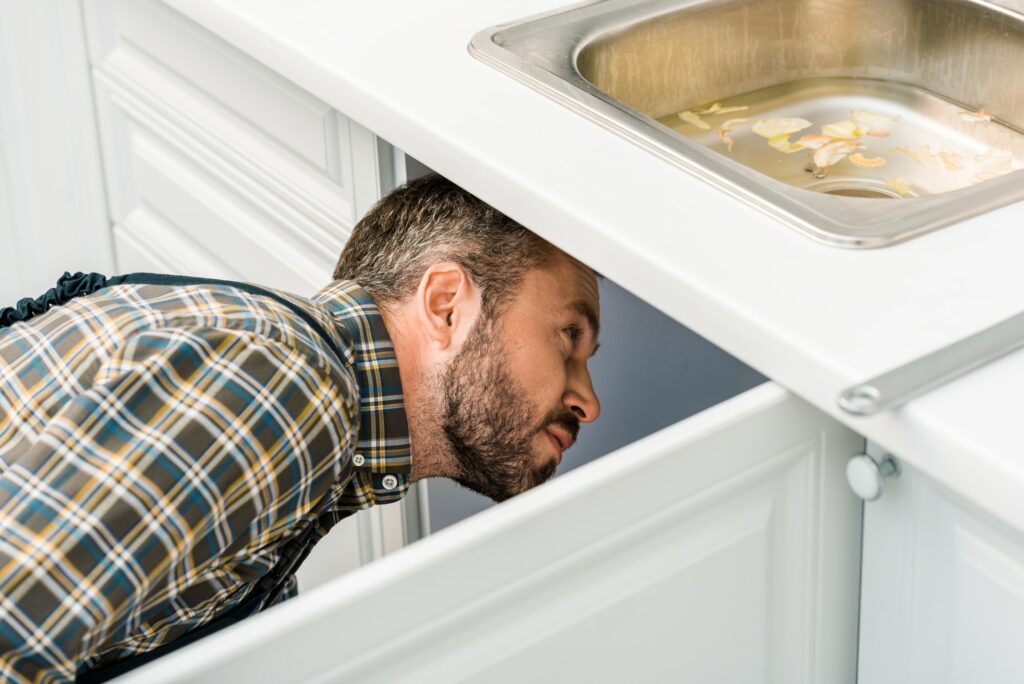
Checking drains and pipes under a sink to prevent pests

6. Slow Drains and Damp Cabinets Under Sinks

Drain flies, German roaches, and silverfish all need the same thing: a film of organic gunk and steady moisture. The P-trap under a rarely-used guest sink and the spongy floor under a leaking supply line give them both at once.

Sour or musty odors from a drain mean there is enough biofilm inside the pipe to feed a colony, and drain flies hatch from that biofilm in about ten days. Sprays do nothing because the larvae sit below the water seal.

Pour boiling water, half a cup of baking soda, and a cup of white vinegar down every drain monthly. For stubborn buildup, use an enzyme cleaner like Bio-Clean or InVade Bio Drain, and fix any leak under a sink the day you find it.

Enzyme drain cleaner runs $20 to $40 and lasts a year. A plumber visit for a leaking trap is $200 to $500. Standing moisture under a cabinet can also trigger mold, similar to what happens when bathroom exhaust fans spread mold spores through the house.

Sealed food storage that helps prevent pests

7. Open Bags of Food, Pet Food, and Birdseed

Indianmeal moths, weevils, and pantry beetles do not climb in from outside. They arrive inside the flour, rice, oats, or birdseed you bought at the store, and hatch over the next four to six weeks. The original bag does nothing to stop them.

Pet food and birdseed are the worst offenders because they sit in giant bags nobody seals. One infested bag can spread larvae to every dry good on the same shelf.

Transfer flour, rice, pasta, cereal, pet food, and birdseed into airtight containers within 24 hours of bringing them home. Freeze new bags of flour for 48 hours to kill any eggs already inside.

A set of pantry containers from OXO or Rubbermaid costs $50 to $200. Treating a pantry moth infestation and replacing contaminated groceries runs $400 to $1,500. For a fuller setup, see how to organize your pantry for less waste and fewer clutter.

Inspecting inside a home for pest entry points and damage

8. Quiet Indoor Zones You Never Inspect

Behind the refrigerator, inside the cabinet under the sink, in the back of the basement, and behind boxes in the garage are the four spots where pests build out before you spot them. These zones stay warm, dark, and undisturbed for months.

Warning signs are small. Black grains near a baseboard mean mouse droppings, oily smudges mean rodent rub marks, shed exoskeletons mean roaches, and chewed cardboard corners mean either rodents or pantry pests.

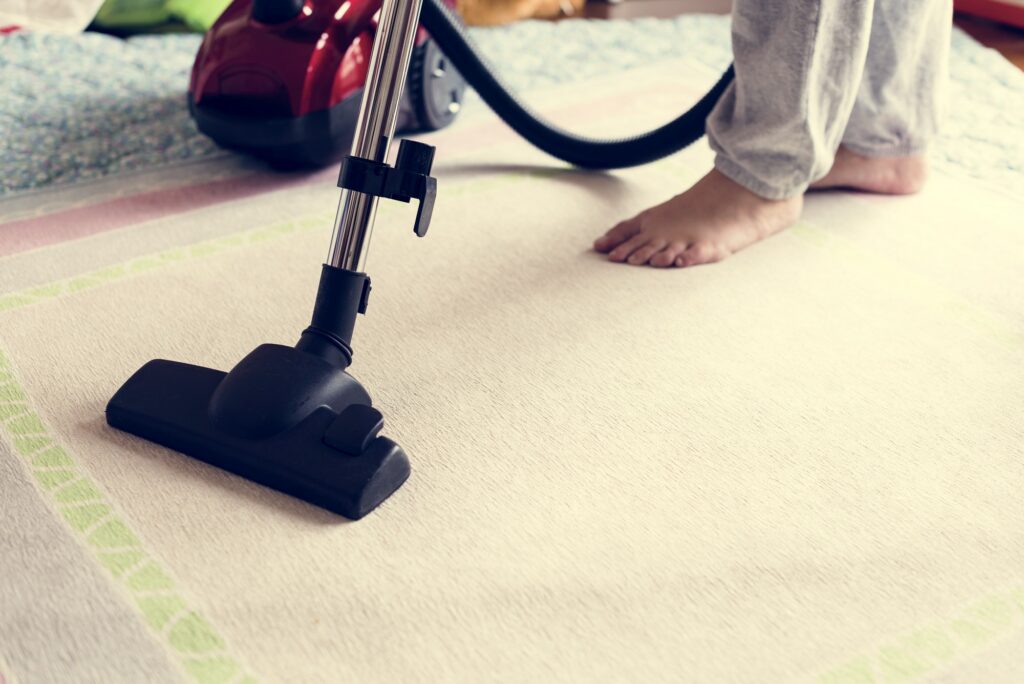
Twice a year, pull the fridge and stove out and empty the under-sink cabinet. Vacuum every corner, wipe with a degreaser, and check for those signs before putting anything back.

A thorough inspection catches problems while a targeted $150 to $300 treatment still works. Ignoring it can push you into a $1,500 to $4,000 whole-home extermination. These zones overlap with the dirtiest items in your home, so cleaning both at once kills two problems in one pass.

What Actually Works: The Layered Pest Prevention Plan

You will not eliminate pests forever with one spray or trap. You eliminate them by stripping out food, water, shelter, and entry one source at a time. Most homeowners can knock 80 percent of pest activity out for under $500 in supplies.

Start outside in spring with mulch pullback, shrub trimming, lightbulb swaps, and a perimeter sealing pass on every gap larger than a pencil. Inside, work through drains, under-sink cabinets, pantry containers, and a deep inspection of the quiet zones behind appliances. Repeat the exterior walk in fall.

Pair these steps with the 6 pantry storage mistakes creating a pest paradise and the broader list of overlooked household hazards, because pest pressure rarely shows up alone. A full year of prevention runs $300 to $700 in supplies, while a serious termite or rodent infestation runs $1,500 to $8,000 plus repairs.

Scroll to Top