

The most common pest infestations chew through walls, insulation, and pantries long before you notice the real damage. A scratching sound at night or a few droppings under the sink feel small, but they are often the only warning before a much bigger bill arrives.
Waiting two weeks can turn a $300 trap-and-seal job into a $3,000 repair. The CDC tracks rodents and cockroaches as carriers of disease and allergens, which is why even a small infestation deserves a fast response. These are the seven infestations you need to catch first.
1. Mice
Mice are usually the first infestation a homeowner spots, because they leave obvious calling cards. Droppings under the sink, chewed cereal boxes, scratching inside a wall at night, or a stale ammonia smell are all early signs.
A mouse can squeeze through an opening the size of a dime, so most homes have dozens of possible entry points around utility lines, dryer vents, and foundation gaps. Once inside, mice chew constantly, so wiring, insulation, and stored cardboard become targets. The same conditions that create a pest paradise in your pantry let a single mouse turn into a colony in about six weeks.
A small mouse problem typically costs $300 to $800 to handle, including traps and sealing. A larger infestation with damaged insulation, contaminated food, and chewed wiring can run $1,500 to $3,000.
Seal entry points, store dry goods in glass or hard plastic, and clear cardboard clutter from the garage. If droppings keep appearing, call a pest control professional before the colony spreads through the walls.
2. Termites
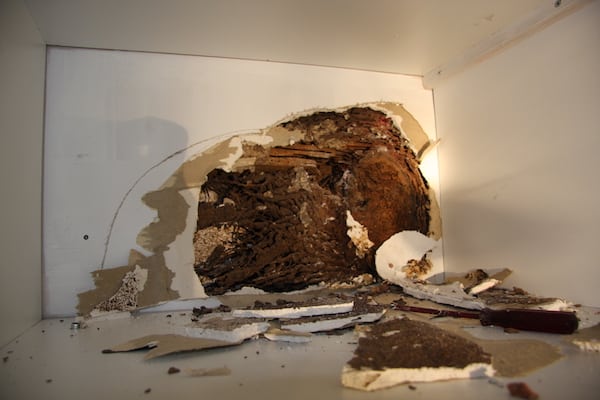
Termites are the most expensive infestation on this list because they eat the material holding your house together. Most homeowners do not see them until a doorframe sags or a floor feels spongy near an exterior wall.
These pests eat cellulose, so studs, subfloor, trim, and even the paper backing on drywall can become food. Warning signs include mud tubes on concrete, hollow-sounding wood, bubbling paint, stuck windows, and discarded wings near sills.
If your home has hidden moisture issues, the same conditions behind the most likely causes of water damage make termite activity worse and faster, since damp wood is much easier for a colony to chew.
Professional termite treatment usually costs $1,200 to $3,500 depending on home size. Structural repairs can push the total to $5,000 to $10,000, and severe cases regularly exceed that. Almost none of this damage is covered by standard homeowners insurance, which is why an early inspection is the cheapest move you can make.

3. Squirrels
Squirrels look harmless on the lawn, but they cause real damage once they move into your attic or soffits. They want shelter and a quiet place to nest above predators, and your roofline checks every box.
Once inside, squirrels strip insulation for bedding, gnaw rafters, and chew electrical wiring. That is why a squirrel problem quickly becomes one of the overlooked household hazards that can start an attic fire. You will usually hear rolling or running sounds across the ceiling during daylight, which is the easiest way to tell squirrels apart from rats.
Removing squirrels and sealing entry points typically costs $500 to $1,500. If they have chewed wiring, destroyed insulation, or damaged fascia, the total can climb to $2,500 to $4,500 once electrical and roof repairs are included.
Do not seal the opening until a professional has confirmed the squirrels are out. Trapping them inside creates a far worse smell problem and almost always means cutting drywall to find the carcass.
4. Ants
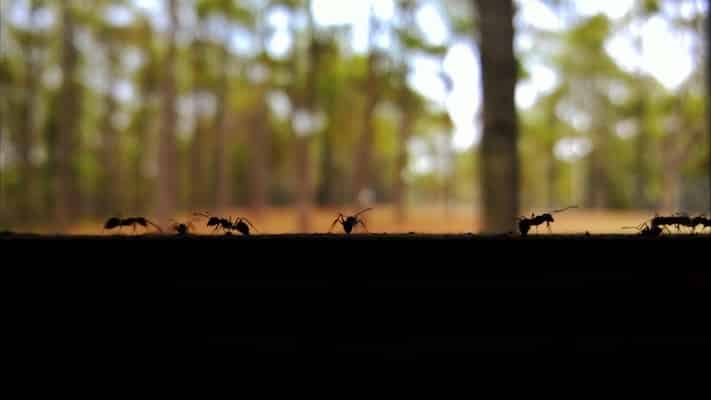
Ants are the pest most homeowners underestimate. Sugar ants chasing crumbs feel like a cleaning problem, but carpenter ants tunneling through damp wood can be almost as destructive as termites.
Sugar ants follow scent trails to food. Carpenter ants prefer damp framing around bathtubs, window sills, and roof leaks. Fire ants build mounds in lawns and patios and sting hard enough to send people with allergies to urgent care.
If ants keep returning hours after you wipe the counter, they are following a pheromone trail or nesting inside a wall. Damp surfaces and food residue also overlap with the problems that make the dirtiest items in your home a bigger pest magnet than you think.
Basic ant treatment runs $150 to $400 for a few visits. Carpenter ant damage can cost $1,000 to $3,000 once damp trim or subfloor sections need to be replaced. Small piles of wood shavings on a window sill are a structural warning.

5. Rats
Rats want what mice and squirrels want: warmth, water, shelter, and a steady food supply. They are larger and more cautious than mice, but they still squeeze through openings the size of a quarter and cause far more damage per animal.
Rats nest fast and travel along walls, crawl spaces, basements, and garages. A mature colony can chew through electrical wiring, ductwork, insulation, and structural wood within weeks, and they carry pathogens that contaminate every surface they cross. Watch for large dark droppings, greasy rub marks along baseboards, gnawed holes the size of a half-dollar, and pet food disappearing faster than normal.
If you have already noticed the warning signs that point to pantry storage mistakes, rats may already be working on the rest of the house. Professional rat removal and exclusion typically costs $500 to $1,500. Repairing chewed insulation, ducts, drywall, or wiring can push the total to $2,000 to $4,000.
If you see signs of rats, call a professional quickly. Amateur eradication often fails because rats shift hiding spots while you reset traps, which gives the colony time to keep breeding.
6. Cockroaches
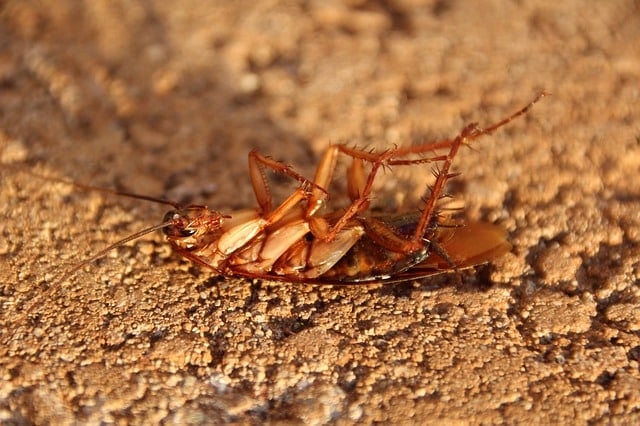
Cockroaches are the infestation that embarrasses homeowners into waiting too long. They get into cabinets, drains, bathrooms, and the backs of appliances, and they reproduce fast enough that a small problem becomes a serious one inside a single month.
They survive on food scraps, grease behind the stove, soap film, and standing water under the fridge. Look for droppings that resemble black pepper, oval egg cases tucked behind hinges, and a faint musty smell near cabinets.
Moist rooms make the problem worse, which is why ventilation issues that spread mold spores through your bathroom often show up alongside roach activity. Cockroach droppings and shed skins are also a major asthma trigger, especially for older adults and grandchildren in the home.
A basic cockroach treatment costs $150 to $400 for a couple of visits. A heavy infestation that requires repeated treatments, deep cleaning behind appliances, and cabinet sanitation can cost $800 to $2,000. One can of spray will not fix this, so plan on professional gel-bait treatment if you see roaches more than once a week.

7. Bed Bugs
Bed bugs are the most stressful infestation on this list because they attack the place you sleep. They hide in mattress seams, bed frames, headboards, baseboards near the bed, luggage, and the cracks behind outlet covers.
They almost always arrive on something you bring in: a suitcase, a hotel pillow, a thrifted nightstand, or a guest’s bag. Once they settle in, a single fertilized female can produce hundreds of offspring within a few months, and they spread room to room along baseboards and through wall outlets.
Early signs include itchy bites in a line or cluster, rust-colored blood spots on sheets, dark pepper-like specks along the mattress seam, and a faint sweet musty smell near the bed. The stains they leave on sheets and upholstery also create the kind of bedroom mess that overlaps with everyday spills covered in our carpet stain hacks.
Professional bed bug treatment costs $1,000 to $2,500 for a typical home. Severe cases with multiple rooms, mattress disposal, repeated heat treatments, and laundering of every fabric in the house can climb to $3,000 to $5,000. Do not drag bedding through the rest of the house, because that is how bed bugs spread to a second room.
What Actually Works: Stopping Infestations Before They Spread
The best pest control strategy is not waiting until pests are visible in every room. By the time mice are in the kitchen and roaches are in the bathroom, you are paying for removal, repairs, and cleaning at once, and the bill often crosses $5,000.
Start with the building envelope. Seal gaps around doors, windows, dryer vents, and foundation cracks with steel wool and silicone caulk. Store dry food in hard containers, fix slow leaks within a week, and clear cardboard clutter. Many of the same fixes reduce the chemical load from the toxic fumes hiding in common air fresheners people use to mask musty pest odors.
Then look for the pattern. Pests follow food, water, warmth, and shelter, so any room with two of those four is a candidate. If you already need help with eliminating pests around your home, do not stop at the obvious room. A pest control technician can usually inspect the entire home for $150 to $300, which is cheap insurance against the repair bills above. A $300 inspection can prevent a $10,000 repair.
- 18shares
- Facebook5
- Twitter5
- Pinterest5