
You walk past the same systems every day and assume silence means they are working. It almost never does. The most expensive home repairs start as quiet, fixable jobs that get skipped one season at a time.
Seven small tasks, ignored long enough, can turn into $15,000 in damage. A clogged dryer vent, a corroded anode rod, or a failed washing machine hose can flood a floor or start a fire. The fixes below take a weekend and a few hundred dollars.
1. HVAC Filter Changes Every 1 to 3 Months
A clogged HVAC filter is the cheapest part of your home to replace and the most expensive to ignore. When the filter loads up with dust, pet dander, and drywall grit, your blower motor works harder to pull air through. That extra load shortens the life of the motor and the outside compressor.
Run a MERV 8 to MERV 11 filter and change it every 1 to 3 months. If you have shedding pets or live near construction, lean closer to monthly. A Honeywell or Nest thermostat with a filter reminder helps, but still check it physically because reminders run on dates, not on actual loading.
A starved blower overheats, the coil freezes, ice melts and floods the secondary pan, and the compressor fails. A new filter costs $15 to $30. A compressor replacement runs $1,500 to $3,500, and HVAC service or replacement runs $300 for an emergency call up to $8,000 for a new unit.
Put a recurring date on your calendar and keep a stack of filters near the air handler. This belongs on your monthly homeowner check list.

2. Water Heater Anode Rod Inspection Every 3 to 5 Years
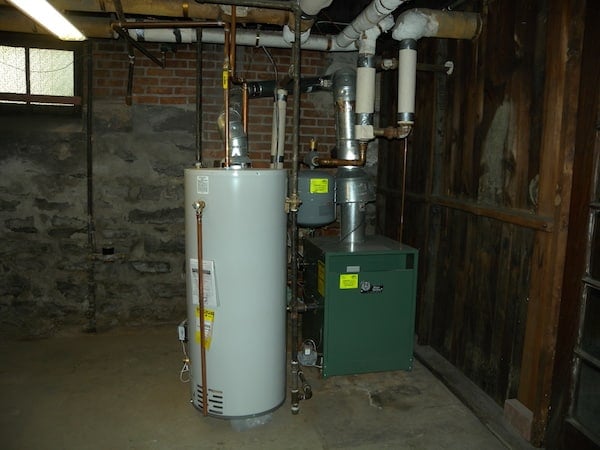
Inside every tank water heater is a sacrificial anode rod, usually magnesium or aluminum, that corrodes on purpose so the tank does not. When the rod is gone, the tank rusts from the inside out. Most homeowners have never opened the top to check.
Rheem, AO Smith, and Bradford White recommend inspecting the rod every 3 to 5 years, or every 2 years with a water softener. The rod screws into the top of the tank and lifts out with a socket wrench. If it looks like a thin cable with most of the metal gone, replace it for $25 to $50 in parts.
Skipping this is how a 6-year-old water heater becomes a flooded basement at midnight. Once the tank leaks, it cannot be repaired. A new tank water heater installed runs $1,500 to $3,500, before flooring, drywall, or cleanup.
If you have never had your tank flushed or rod checked, schedule it this year. A leaking heater is one of the most common causes of interior water damage, and almost entirely preventable.
3. Gutter Cleaning Twice a Year and Downspout Extensions
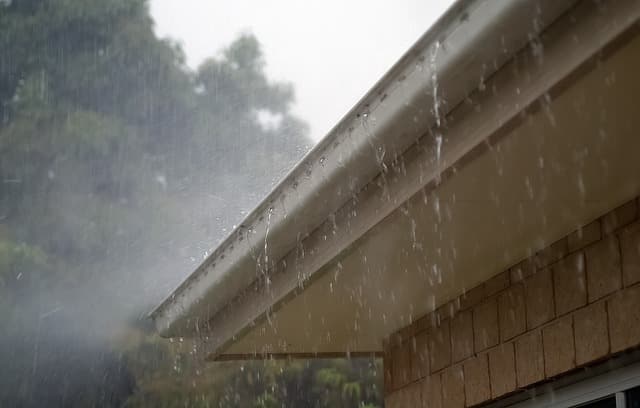
Gutters do one job, moving water away from your roof and foundation. When they fill with leaves and shingle grit, water spills over the edge, runs down your siding, and pools against the foundation. That is where the real damage starts.
Clean gutters in late spring after the seed drop and again in late fall. While you are up there, confirm the downspouts dump water four to six feet from the foundation. A $10 plastic extension is the difference between a dry basement and a wet one.
Pressure washers, metal scrapers, and blower attachments tear up shingle granules and dent aluminum. Plenty of homeowners learn too late that the wrong gutter cleaning tools make roof problems worse.
Foundation grading repair with new drainage runs $1,500 to $5,000, and a soaked roof deck can push a partial reroof to $4,000 or more. If your roof is already aging, read the steps for getting a new roof before the next storm forces the decision.

4. Dryer Vent Cleaning Once a Year
The National Fire Protection Association reports clothes dryers are involved in roughly 13,000 to 15,000 residential fires a year in the United States, and the leading cause is failure to clean them. Lint coats the inside of the vent line, dries out, and ignites when the blower pushes hot air through.
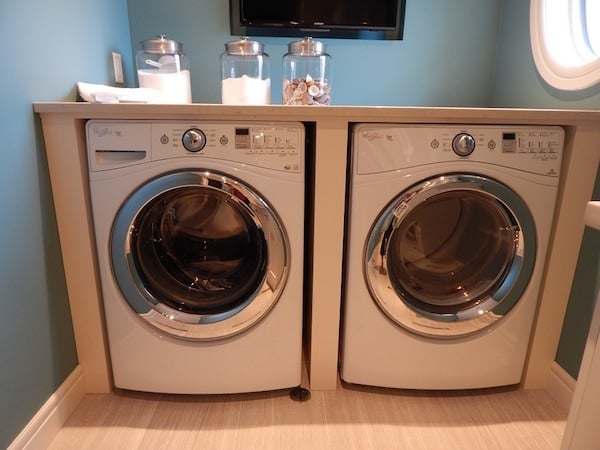
Clothes that take two cycles to dry, a dryer cabinet that is hot to the touch, a burning smell during a cycle, or visible lint at the exterior hood all point to a clogged duct. Vinyl flex hose is part of the problem and should be swapped for rigid metal or semi-rigid aluminum.
Clean the full vent line at least once a year, more often with a long duct run or five-plus loads a week. A homeowner brush-and-drill kit costs $30 to $50. A professional vent cleaning runs $100 to $200.
A dryer fire can damage a laundry room and adjacent rooms for $5,000 to $30,000 before insurance. Treat this the way you treat your smoke alarm maintenance schedule, as a non-negotiable annual job.
5. Caulking Around Tub, Shower, and Sinks Every 1 to 2 Years
Caulk is the cheapest waterproofing in your house and the first thing to fail. Around a tub or shower it sees daily water, heat, and movement, and after a year or two it cracks, pulls away from the wall, or grows a black mildew line no cleaner will remove.
Once the bead fails, water runs behind the tile or fiberglass surround and into the subfloor. You do not see it for months. By the time the floor feels spongy or a stain shows up on the ceiling below, the joists are wet. This is one of the most overlooked household hazards in older homes.
Re-caulk tubs, shower corners, and sink edges every 1 to 2 years with a mildew-resistant silicone. Pull the old caulk completely, clean with isopropyl alcohol, dry, and tool a fresh bead. The job takes an afternoon and $15 in materials.
Skip it and a subfloor and tile replacement runs $2,500 to $8,000. Inspectors spot this fast, which is one of the secrets that home inspectors regularly flag in older bathrooms.
6. Attic Ventilation, Sump Pump Test, and Grading Check
Three systems share one job, keeping water and heat out of places they should not be. Most homeowners have never tested any of them on purpose, and all three fail quietly.
Attic ventilation should move air from soffit vents up and out through ridge or gable vents. If your attic feels like an oven in summer, your shingles age at double speed and your AC runs constantly. Blocked soffit vents from blown-in insulation are the common cause, and a 30-minute fix with insulation baffles.
Test your sump pump yearly by pouring a bucket of water into the pit. The float should rise, the pump should kick on, and the basin should drain. If it hesitates, replace it. A new sump pump runs $300 to $800 installed, compared with $5,000 to $15,000 for a finished basement flood.
Walk the perimeter. The ground should slope away from the foundation at one inch per foot for the first six feet. If water pools against the wall, foundation grading repair runs $1,500 to $5,000. These slow-burn problems show up on lists of home repairs that get expensive fast.
7. Washing Machine Hoses Every 5 to 7 Years
The two hoses behind your washing machine sit under full household water pressure 24 hours a day. Insurance adjusters will tell you they are one of the most common sources of catastrophic interior water loss.
Replace standard rubber hoses every 3 to 5 years, and braided stainless every 5 to 7 years. Check the date stamp on the hose. If you cannot find one, or you see bulging, kinking, rust, or moisture at the fittings, replace both today.
A burst hose on a second-floor laundry can dump 500 gallons of water into the house in under an hour. Damage claims commonly run $5,000 to $15,000, before mold remediation. Braided stainless steel hoses cost $20 to $40 and install in 10 minutes.
Shut the supply valves off when you travel, and consider a single-lever shutoff or a leak detector with auto shutoff. The same risk profile applies to old appliance wiring, which is why dangerous lighting fixtures and electrical hazards belong on the same annual walk-through.
What Actually Works: The Calendar-Driven Maintenance Habit
The pattern is the same in every one of these repairs. The fix is cheap and fast while the problem is small, and ruinously expensive once ignored for a season. Homeowners who avoid the $8,000 bills are the ones who put dates on a calendar and stick to them.
Build a yearly rhythm. Filter changes every month or two, gutter cleaning in spring and fall, anode rod and dryer vent on an annual reminder, caulking and hose checks every other year. Pair it with the rest of your monthly homeowner checks.
Spend the $400 to $600 a year these tasks cost and you avoid the $5,000 to $30,000 events they prevent. Treat your house like a system on a schedule.
- 12shares
- Facebook6
- Twitter1
- Pinterest4