
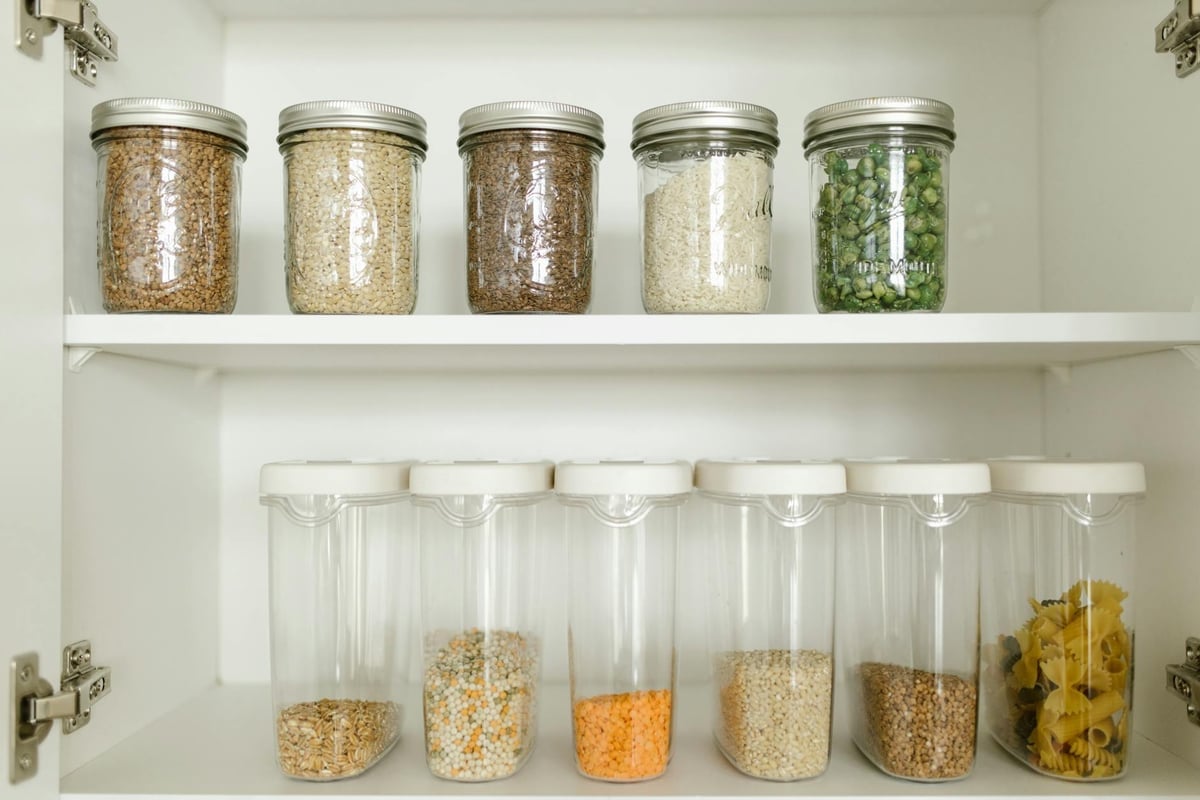
Your pantry looks tidy enough, but if the food is still in store packaging and the floor has not been vacuumed in a month, you have already laid out the welcome mat. Pantry pests, which include Indian meal moths, flour beetles, weevils, ants, and mice, cause an estimated $4 billion in annual food contamination losses in the United States, and almost every case starts with the same handful of storage mistakes.
The cost is not only the food you bin. A professional pantry moth treatment runs $300 to $800, a mouse infestation in the walls runs $500 to $1,500, and a full kitchen pest job with follow-ups and sealing work runs $1,500 to $4,000. These are the six mistakes turning your kitchen into a pest paradise, and the fixes that keep your food and your wallet sealed.
1. Storing Dry Goods in Cardboard and Original Packaging ($150 to $400 in Lost Groceries)
That family-size cereal box and the paper flour bag are not pest-proof in any meaningful sense. Indian meal moths, sawtoothed grain beetles, and weevils chew through cardboard, paper, and thin plastic in days, and many infestations actually started at the mill, with eggs laid inside the grain before it reached the shelf.
Once the eggs hatch, larvae move from box to box, leaving silken webbing in your oats and tiny holes in your pasta. A single open box of contaminated flour can seed every other dry good on the shelf in two or three weeks, which is how a $5 mistake becomes a $150 to $400 grocery purge.
Move dry goods out of original packaging within 24 hours of getting home. Sealed glass jars with rubber gasket lids, OXO Pop containers, or food-grade Mylar bags with oxygen absorbers all lock out chewing insects. Freeze flour, rice, oats, and cornmeal for 48 hours at 0°F first to kill any eggs. Pair this with the system in how to organize your pantry for less waste and one shopping trip prevents a full pantry rebuild.
2. Putting Bags and Bins Directly on the Pantry Floor ($500 to $1,500 in Mouse Damage)
Pet food sacks, potato bins, and bulk rice on the pantry floor are the targets mice scan for. A house mouse can squeeze through an opening the diameter of a pencil, roughly a quarter inch, and once it finds a steady food source it stays. Floor storage also puts food in the dampest part of the room, which draws silverfish, sowbugs, and roaches.
A single nesting pair of mice produces five to ten litters a year. By the time you spot droppings, they have likely chewed wire insulation, soiled far more food than they ate, and left urine trails along the baseboards. A mouse cleanup with exterminator visits and entry-point sealing runs $500 to $1,500, with damaged wiring pushing it higher.
Elevate every food item at least six inches off the floor on wire shelving, a sealed metal cabinet, or wheeled bins with locking lids. Keep pet food in a galvanized metal can, since mice tear through nylon or thin plastic overnight. If you are already seeing droppings, treat it as the breach covered in the seven most common home infestations and call a pro before the colony moves into the walls.
3. Letting Spills, Crumbs, and Sticky Residue Sit ($75 to $250 a Year in Ant Control)
Crumbs in the corners and sticky honey rings under the jar are not cosmetic problems, they are a scent trail. Ants forage up to 100 feet from the colony and follow pheromone trails laid by scouts, which is why one ant on the shelf today means dozens tomorrow. Flour beetles and cockroaches also live on grain dust at the back of the shelf.
A sustained ant problem usually means one or two pest-control visits a year, between $75 and $250 each, plus repeated bait stations. Stored-product pests need even less: a teaspoon of spilled rice in a back corner can sustain a beetle colony for weeks.
Run a 24-hour rule. Anything sticky gets wiped, anything spilled gets vacuumed before you close the door. Once a month, pull every container off, vacuum the corners with a crevice tool, and wipe everything with a 1:1 white vinegar and water mix. Vinegar disrupts ant pheromone trails better than scented sprays, the same overlap covered in the seven foods turning your refrigerator into a bacteria factory rundown.
4. Overcrowding Shelves and Leaving Dark Corners ($300 to $800 in Pantry Moth Treatment)
Pantries jammed shelf-to-shelf with old bags, half-used boxes, and forgotten cans are the textbook breeding ground for Indian meal moths. The pests prefer dark, undisturbed spots, and the dustier the corner the more likely you are to find webbing and pupae stuck to the underside of the shelf. The same clutter hides chew marks, droppings, and the mottled larvae that signal a moth bloom.
Once meal moths establish, they are stubborn. A professional treatment with pheromone traps, residual sprays, and a follow-up visit runs $300 to $800, and most exterminators will tell you to discard every dry good in the room first.
Give containers room to breathe. Leave two to three inches between bins, never push items flush against the back wall, and stop buying bulk volumes you cannot rotate through in three months. A first-in, first-out system, the same one referenced in the dirtiest items in your home audits, keeps older food at the front. Battery-powered LED puck lights help you spot webbing or holes the moment they appear.
5. Reusing Original Bags With Clips Instead of Sealed Containers ($100 to $300 in Spoiled Food)
Folding the top of a flour bag and clamping it with a chip clip feels like sealing, but pantry pests treat that flap like a side door. Indian meal moth larvae and flour beetles slip through any gap larger than a credit card edge, and the residue on the outside of the bag draws them in faster than the contents inside.
The same gap-tolerance is why partially opened crackers, cereal, and chips go stale within days and become a draw for roaches and silverfish. You end up tossing $100 to $300 in half-used pantry items every year, plus whatever sits next to them on the shelf.

Decant the entire bag into an airtight container the moment you open it. Pour-through containers like OXO Pop or Rubbermaid Brilliance work for daily-use items, while Mylar bags with oxygen absorbers are right for long-term staples. The same sealing logic is why the six foods that go bad faster in the fridge piece pushes proper containers for chilled items too.
6. Ignoring Temperature, Humidity, and Old Stock ($1,500 to $4,000 in Full Kitchen Infestations)
Pantry pests breed faster as the room gets warmer and damper. Above 70°F and 60% relative humidity, Indian meal moth life cycles shorten from eight weeks to four, and weevils and silverfish move in alongside them. A pantry against a south-facing wall, next to a refrigerator coil, or sharing a wall with the laundry runs hot and humid year-round without anyone noticing.
Stock past its date compounds the problem. Old spices, expired baking mixes, and forgotten cake decorations are where moth infestations almost always start, and the rundown on foods you should never eat past the expiration date covers why those bags are not as inert as they look. Once pests spread into everyday staples, you are looking at a full kitchen pest job, which runs $1,500 to $4,000 with follow-ups and exclusion work.
Put a $10 digital thermometer and humidity gauge on the pantry shelf and target 50°F to 70°F and below 60% humidity. If the room runs damp, drop in silica gel canisters or a small plug-in dehumidifier. Twice a year, pull everything off the shelves, check every expiration date, and discard anything past it. The same audit catches the conditions covered in the six household items dirtier than a toilet seat write-up.
What Actually Works: The Sealed, Elevated, Inspected Pantry
The pantries that stay pest-free are not the ones with the prettiest jars. They run on three habits: everything is sealed in a rigid, airtight container the day it comes home, nothing sits on the floor, and the whole room gets inspected, vacuumed, and rotated every month.
Start this weekend with the worst offenders. Move every open bag of flour, rice, oats, sugar, pasta, cereal, and pet food into sealed containers, freeze the grain products for 48 hours first, and bin anything past its date. Lift everything off the floor onto wire shelving and put a thermometer and humidity gauge on the middle shelf.
Then book it in. Once a month, ten minutes with a crevice vacuum and a vinegar spray bottle catches problems at the scout-ant stage instead of the colony stage. Tie this into the eliminate pests routine and you are running the same prevention loop pros use, without the call-out fee. One Saturday and roughly $80 in containers, shelving, and a gauge prevents the $300 to $4,000 outcomes above.
- 4shares
- Facebook0
- Twitter0
- Pinterest4