
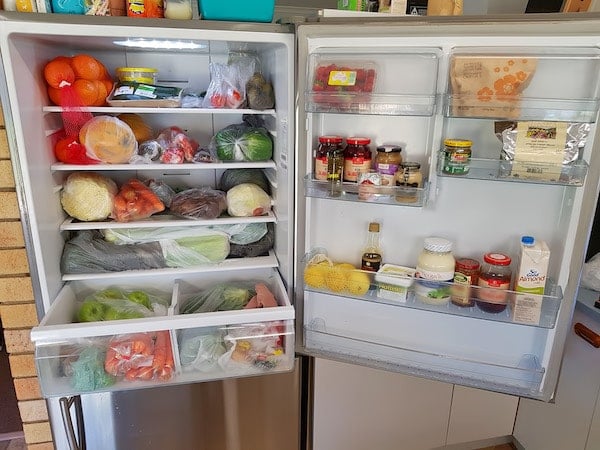
Your refrigerator is designed to slow spoilage, but certain foods deteriorate faster when chilled. Tomatoes become mealy and flavorless, potatoes convert starch to sugar and develop bitter notes, and bread stales six times faster than at room temperature. The average household tosses 238 pounds of food annually, wasting roughly $1,500 per year according to USDA data. Understanding which foods belong on the counter, in the pantry, and in the freezer instead of the fridge can save hundreds of dollars annually.
This problem extends beyond individual items. Improper food storage creates moisture buildup that encourages mold, develops strong odors that permeate other foods, and attracts insects that can spread throughout your kitchen. Running a refrigerator costs about 15 cents per day in electricity, making the cost of storing items that spoil anyway one of the quickest ways to waste both money and energy. Pantry storage mistakes that attract pests often begin with overflow from poor fridge organization, so fixing one problem helps solve another.
1. Tomatoes (Chilling Injury Below 50F)
Tomatoes exposed to temperatures below 50 degrees Fahrenheit experience chilling injury, a documented phenomenon that disrupts the fruit’s cell structure and enzyme activity. The FDA and USDA both recommend storing fresh tomatoes at room temperature because cold halts the ripening process and permanently alters texture and flavor compounds. Even one or two days in a standard refrigerator (typically 35-40F) causes tomatoes to develop a mealy, grainy interior texture and lose aromatic esters that give them their natural sweetness.
A single vine-ripened tomato costs $2 to $4 at farmers markets, and three to four wasted tomatoes per week equals $30 to $60 in monthly waste. Store whole tomatoes in a single layer on a countertop away from direct sunlight and heat sources. Once cut, wrap the exposed side tightly and refrigerate only if you will use it within 24 hours.
Tomato storage ties directly to energy efficiency in your refrigerator because chilled items that spoil quickly waste cooling cycles. Counter storage eliminates this unnecessary energy drain while preserving quality.
2. Potatoes (Starch Conversion and Acrylamide Risk)
Cold temperatures trigger an enzymatic reaction in potatoes that converts stored starch into glucose and fructose. This makes potatoes taste sweet and gritty, darkens them visibly during cooking due to increased Maillard browning, and increases acrylamide formation in cooked potatoes. Acrylamide is a byproduct of high-heat cooking of starch-rich foods and has raised regulatory concern from food safety agencies; while safe consumption levels are not universally defined, minimizing unnecessary formation aligns with cautious food choices.
A standard five-pound bag of potatoes costs $3 to $5, yet repeated monthly waste adds up to $100 or more annually. Store potatoes in a cool, dark, well-ventilated space with temperatures ideally between 45-50F (a basement corner, dark cabinet, or sealed box in a cool closet). Never store them in plastic bags, which trap moisture and accelerate decay.
Potatoes release ethylene gas as they age, so store them far from onions, garlic, and other items sensitive to gas exposure. Damp storage areas that ruin potatoes also create conditions for mold and insects. Pest problems inside the home often start in neglected storage corners where moisture accumulates.
3. Onions (Mold and Mushy Texture from Humidity)
Refrigerator humidity softens onion papery skin and creates conditions for fungal mold to establish within days. The enclosed environment of a fridge traps moisture around onions, accelerating deterioration. A six-dollar bag of yellow or sweet onions can turn to slimy mush within three to five days if refrigerated, whereas counter storage keeps them firm for three to four weeks.
Store whole onions in a mesh bag, wire basket, or open bin in a cool, dry place with air circulation. Avoid locations near windows, heat sources, or direct sunlight. Never refrigerate whole onions; however, once an onion is cut, wrap the exposed portion in plastic wrap and refrigerate immediately to prevent the strong odor from affecting nearby dairy, leftovers, and other foods.
Onions and potatoes release moisture and gases that accelerate decay in each other, so store them in separate locations. This simple separation prevents cross-contamination and extends storage life for both items by one to two weeks.
4. Garlic (Sprouting, Mold, and Texture Loss)
Garlic bulbs stored in the refrigerator absorb excess moisture that triggers unwanted sprouting, transforms cloves into a rubbery texture, and encourages mold growth that can consume an entire bulb. A four-dollar bulb of fresh garlic stored at room temperature remains viable for two to three months, while the same bulb refrigerated deteriorates in two to three weeks. The flavor compounds in garlic also degrade more quickly in cold storage.
Keep whole, unpeeled garlic bulbs in a dry, dark location with airflow, such as a pantry shelf, garlic keeper, or mesh bag hung in a cool cabinet. Peeled cloves and minced garlic should only be refrigerated if they are sealed in an airtight container and will be used within one week. Discard any garlic that develops a sour smell, visible mold, or mushy texture, as spoiled garlic carries foodborne illness risk.
Many home cooks use garlic daily, yet a single wasted bulb often goes unnoticed until the entire bulb is inedible. Recognizing when garlic has spoiled prevents food waste and reduces the chance of accidentally using spoiled ingredients that could cause illness.
5. Fresh Herbs (Blackening and Dehydration)
Fresh basil, cilantro, parsley, and other delicate herbs blacken, wilt, and become slimy when exposed to refrigerator cold. The low temperature disrupts cell membranes in the leaves, and the dry environment of most refrigerators draws out moisture. A three-dollar to five-dollar bunch of fresh basil can become inedible within 24 hours if stored in the crisper drawer.
Treat fresh herbs like cut flowers. Place herb stems in a glass of room-temperature water on the counter, cover loosely with a plastic bag, and keep them away from direct sunlight and ripening fruit. Change the water every two days and remove any leaves that touch the water. Herbs stored this way remain fresh for one to two weeks.
Fresh herbs improve dishes significantly, so wasted herbs represent lost meals and flavor. Pantry organization for reduced waste includes designated counter space for fresh herb storage and quick visual reference so you remember to use them before they spoil.
6. Whole Melons and Winter Squash (Chilling Increases Decay)
Whole cantaloupes, honeydew melons, and winter squash varieties (acorn, butternut, delicata) store longer at room temperature than when refrigerated. Cold storage slows ripening and can cause external skin softening and internal decay to progress faster than flavor compounds develop. A whole melon costs five to eight dollars and occupies significant refrigerator space, yet cold storage provides no benefit to shelf life.
Keep whole melons and winter squash in a cool, dark pantry or cellar with good ventilation. Most varieties remain fresh for two to three weeks at room temperature. Once cut, wrap the exposed side tightly and refrigerate only the portion you plan to use within 24 to 48 hours. Hard squash can be cut and stored in the fridge for up to three days, but whole squash should never be refrigerated.
Whole melons refrigerated for weeks waste electricity and often spoil before being used. Room temperature storage paired with kitchen upgrades that improve organization ensures you use produce efficiently.
7. Bread and Baked Goods (Starch Retrogradation)
Refrigerator cold accelerates starch retrogradation, the chemical process where starch molecules realign and bind water more tightly, making bread dry, gritty, and stale. Bread stales approximately six times faster in a 40F refrigerator than at room temperature (68-72F). You may prevent visible mold for a few extra days, but the result is inedible bread that nobody wants to eat, making the tradeoff counterproductive.
Keep bread in a sealed bag or bread box at room temperature and consume it within three to four days. For longer storage, slice the bread and freeze it in a freezer-safe bag. Remove slices as needed and thaw them at room temperature or toast them directly from frozen. Frozen bread remains fresh for two to three months and tastes significantly better than refrigerated bread.
Bread crumbs and open bags left in the fridge or pantry attract insects and rodents. Clean up spills immediately and store open bags in sealed containers. Household items dirtier than a toilet seat often include kitchen crevices where crumbs accumulate, leading to pest infestations that require professional cleaning.
What Actually Works: A Strategic Food Storage System
Your refrigerator should store only foods that genuinely require cold protection to prevent spoilage, such as dairy, meats, prepared leftovers, and cut produce. Treating the fridge as universal storage wastes electricity, accelerates spoilage of temperature-sensitive items, and creates unnecessary food waste. Counter storage, pantry organization, and smart freezer use extend produce life and save money.
Create a dedicated dry storage basket for onions and garlic in a dark corner cabinet or pantry. Use a sealed box or ventilated bin for potatoes and winter squash in the coolest, darkest part of your home. Leave tomatoes, melons, and herbs on the counter in designated spots so they stay visible and get used before spoiling. Freeze bread slices immediately and thaw only what you need.
This system can save $200 to $500 annually in reduced food waste and lower electricity costs. Combined with understanding which foods remain safe past expiration dates and foods that turn your refrigerator into a bacteria factory, smart storage transforms your kitchen into an efficient, organized space that protects both your budget and your family’s health.
- 22shares
- Facebook9
- Twitter5
- Pinterest4