
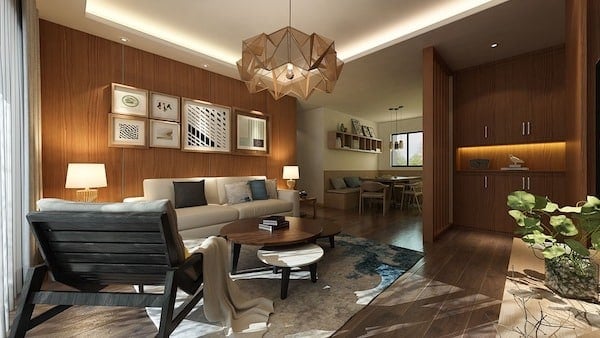
Outdated lighting costs you money every single month. The average home spends 10 to 15 percent of its electric bill on lighting alone, but upgrading to efficient fixtures can cut that by 25 percent or more. The best part is that most energy-efficient lighting upgrades pay for themselves in under two years through electric savings. We have listed 7 proven, low-cost lighting solutions that slash energy waste while delivering better light quality for every room in your home.
1. LED Replacement Bulbs (Cost $4 to $15 each)
Standard incandescent bulbs waste 90 percent of their energy as heat, not light. LED replacements use 75 percent less energy and last 25 times longer, delivering 25,000 hours versus 1,000 hours for incandescent. You can buy reliable LEDs from Philips Hue, GE Cync, or Cree for under $15 each. A single replacement bulb saves about $80 per year per fixture compared to incandescent, which means a full home conversion of 40 bulbs saves $200 to $400 annually on your electric bill.
Look for Energy Star certified bulbs rated for 90 CRI (color rendering index) or higher, which means colors look natural and true. Choose warm white (2700K) for bedrooms and living rooms, and neutral white (3000K to 4000K) for kitchens and task areas. LEDs now come dimmable, smart-connected, and in every color temperature your home needs. When you upgrade every bulb in your house, the cumulative savings rival a second mortgage payment over five years.
One key advantage of LED bulbs is that your existing light fixtures work perfectly with them once you switch. You do not need to buy new pendant lights or chandeliers. Simply screw in a new bulb, and your lighting becomes efficient immediately. This makes LEDs the fastest return on investment for any homeowner.
2. Under-Cabinet LED Tape Lights ($30 to $60)
Kitchen countertops stay dark and gloomy without focused task lighting above the work surface. Under-cabinet LED tape lights install directly beneath your upper cabinets and cost $30 to $60 for a 16-foot roll with adhesive backing. Unlike the halogen strips that predate them, LED tape uses one-fifth the energy and produces zero heat, making your kitchen safer and more comfortable during food prep.
These lights come in warm white (2700K to 3000K) for a cozy feel or cool white (4000K to 5000K) for precise chopping and cooking. Many homeowners report that under-cabinet lighting adds visible home value and makes kitchens feel larger. Installing LED tape takes 30 minutes and requires no electrical work. When paired with smart dimmer switches, you can adjust brightness for morning coffee or evening cooking, extending bulb life while reducing usage by 10 to 15 percent.
You will notice an immediate drop in energy consumption because task lighting eliminates reliance on overhead fixtures that illuminate the entire kitchen even when no one needs whole-room brightness. This targeted approach is why architects recommend task lighting for low-cost kitchen upgrades.
3. Smart Dimmer Switches (Lutron Caseta at $50)
A basic dimmer switch costs $20 to $30, but a smart dimmer like the Lutron Caseta at $50 lets you control lights from your phone and set automated schedules. Dimming lights to 50 percent brightness extends the lifespan of all bulbs, incandescent or LED, by 5 to 10 years. Over time, fewer burned-out bulbs mean lower replacement costs on top of energy savings.
Smart dimmers work with your smartphone app, voice assistants, and motion sensors to eliminate lights left running in empty rooms. Studies show that occupancy-aware dimming reduces residential lighting energy use by 20 to 30 percent. Lutron Caseta installs in standard switch boxes without neutral-wire requirements, so retrofit installation is straightforward in most homes. Once installed, you gain instant visibility into which rooms consume the most light energy, making data-driven decisions for your next upgrade possible.
These switches pair smoothly with the home automation systems many families now rely on, tying lighting into broader smart home security and convenience networks. Integrating lighting controls into your smart home ecosystem ensures that no light runs when no one is home.
4. Motion-Sensor Closet Lights ($15 to $40)
Closets typically waste energy because lights stay on long after you finish dressing. Motion-sensor LED fixtures cost $15 to $40 and automatically turn off after 30 seconds to 10 minutes of no motion detected. These fixtures mount directly to the ceiling and replace the fixture you already have, making installation a one-time job that pays dividends for years.
Energy Star data shows that motion sensors reduce lighting energy in low-traffic spaces like closets, laundry rooms, and pantries by 40 to 60 percent simply by preventing unattended operation. Battery-powered motion-sensor stick-on lights are available for rental homes or renters, costing $20 and requiring zero installation. For permanent homes, hardwired sensor fixtures deliver reliability and integrate with your electrical system for smooth operation alongside other smart home upgrades that attract buyers.
Families with children particularly benefit from motion sensors because kids frequently forget to switch lights off. One motion-sensor retrofit in a child’s closet pays itself back in under six months through saved bulbs and energy.
5. Outdoor LED Floodlights (Replace 100W Halogen, $25 to $80)
Outdoor halogen floodlights consume 100 watts per bulb and generate dangerous heat that can ignite nearby materials, a leading cause of preventable home fires. Modern outdoor LED floods produce the same brightness at 15 to 20 watts, slash your exterior electric bill by 80 percent, and eliminate fire hazards. These lights cost $25 to $80 per unit depending on brightness and smart features.
LED flood lights last 50,000 hours in outdoor conditions, meaning a bulb installed today likely outlives your roof warranty. If your home has four 100-watt exterior fixtures running six hours nightly, switching to 15-watt LEDs saves $150 per year and prevents the fire hazards many homeowners face with older halogen fixtures. Brands like Cree and Philips offer weatherproof LEDs rated to handle rain, salt spray, and temperature extremes.
Motion-sensor versions automatically illuminate when motion appears, adding security while cutting energy use by another 50 to 70 percent. Dusk-to-dawn sensors prevent daytime operation, ensuring your flood lights operate only when darkness falls. Upgrading outdoor lighting is one of the most cost-effective renovations available.
6. Recessed LED Retrofit Kits ($15 to $30 per fixture)
Recessed ceiling lights (downlights) are notorious energy hogs, consuming 50 to 75 watts each. LED retrofit kits replace the old halogen insert with an efficient LED module that provides identical light output at 8 to 12 watts. These kits cost $15 to $30 per fixture and require no structural changes to your ceiling. You simply remove the old trim ring and insert and snap in the new LED module.
A typical home with 12 recessed ceiling lights uses 60 to 75 watts continuously in rooms where lights stay on. Retrofitting all 12 to LED cuts that to 10 to 15 watts, dropping energy consumption by 80 percent. This translates to $100 to $200 in annual savings for a single room. Recessed LED retrofits maintain existing brightness and color temperature, so your ceiling appearance does not change while your utility bills shrink dramatically.
Retrofits are ideal for homeowners who love their ceiling design but need to cut energy costs. Because no rewiring is required, retrofit installation takes an electrician one to two hours for an entire home. This speed and simplicity explain why retrofits are standard in home renovation contracts aimed at boosting home value during resales.
7. Pendant Fixture Upgrades ($80 to $300)
Kitchen islands and dining areas depend on pendant lights to set mood and provide task lighting, but older fixtures often use outdated incandescent or halogen sockets. Modern LED-ready pendants cost $80 to $300 for designer finishes and integrate with dimmable LED bulbs to deliver precise light control. Unlike generic replacement fixtures, purpose-built pendants pair form and function, enhancing your decor while cutting energy use.
Edison-style LED filament bulbs bring vintage aesthetics to contemporary homes without incandescent waste, costing $8 to $20 per bulb for premium Philips or Cree brands. These bulbs mimic the warm glow of early-1900s lighting while consuming 80 percent less energy. A pair of LED filament bulbs in decorative pendant fixtures consumes 6 watts total versus 40 watts for incandescent equivalents, saving $30 per year and adding character to your dining space.
Quality pendant fixtures last 20 to 30 years with proper maintenance. By choosing LED-compatible fixtures now, your investment remains relevant for decades as bulb technology advances. Upgrading pendant lights transforms both the energy profile and visual character of your space, making it one of the smartest home improvements for buyers seeking contemporary appeal combined with proven return-on-investment kitchen improvements.
What Actually Works: Smart, Affordable Lighting Upgrades That Save Thousands
Energy-efficient lighting is not a trend that comes and goes. It is the new standard because the math is undeniable. Every watt saved is a watt you do not pay for, and modern LED technology delivers light that equals or surpasses older inefficient options at one-quarter the cost to operate. Start with a full LED bulb conversion for $50 to $100 depending on your home size, then layer in smart controls and task lighting as your budget allows.
Your electric company may offer rebates for LED upgrades, recessed light retrofits, and smart dimmer switches. Check your utility bill or website for local incentive programs that reduce your out-of-pocket costs further. With upfront costs under $200 to upgrade an entire home’s main living spaces, and payback periods of one to two years, lighting upgrades are the fastest path to lower electric bills without sacrificing comfort or style. Every dollar invested in efficient lighting comes back to your wallet as sure as sunrise.
- 1share
- Facebook0
- Twitter0
- Pinterest0