
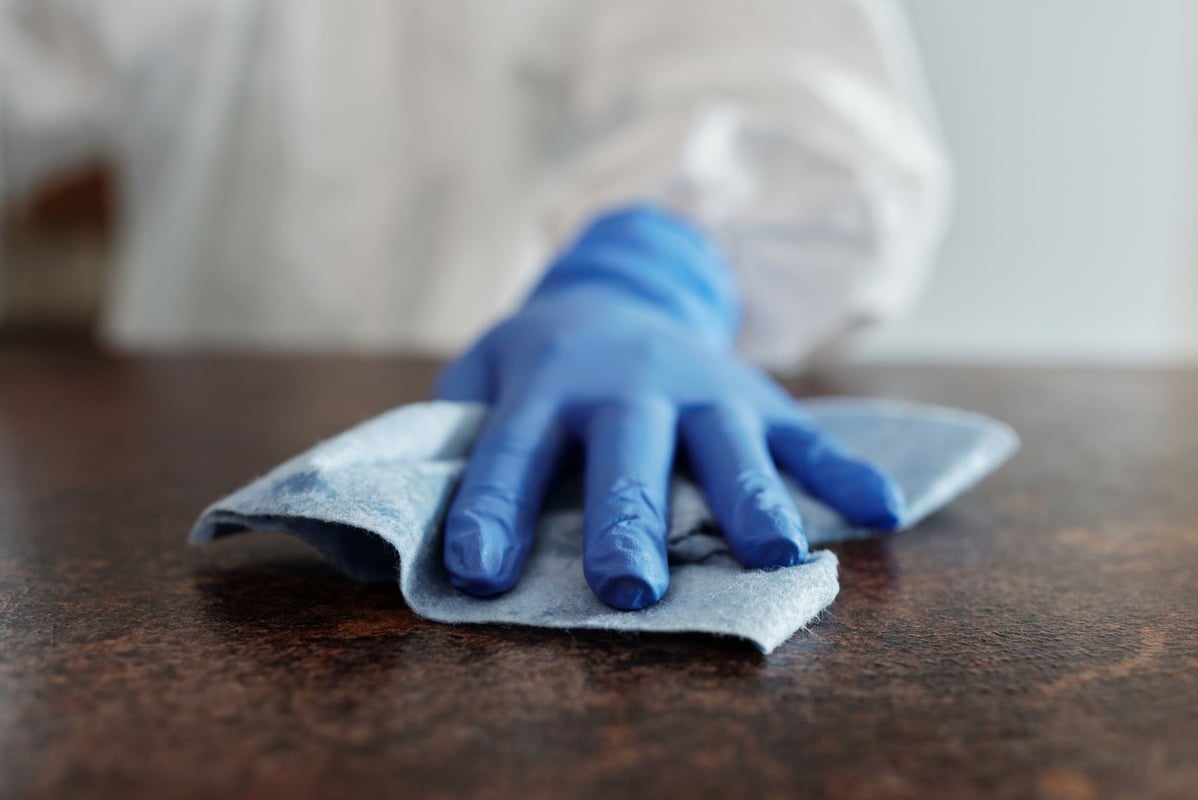
Most people clean what they can see: dirty dishes, dusty shelves, muddy floors. But the spots that harbor the most bacteria and grime are often the ones that look perfectly fine. They get touched dozens of times a day, rarely wiped down, and almost never replaced on schedule.
Before diving into the list, one quick distinction worth keeping in mind. The CDC defines cleaning as removing dirt and some germs with soap and water. Sanitizing reduces germs to a safer level. Disinfecting kills germs using chemicals. When you use a disinfectant product, the label lists a contact time, meaning the surface has to stay wet for that amount of time for the product to actually work. Spraying and immediately wiping does not count as disinfecting. Read the label.
Here are eight spots in your home that deserve far more attention than they typically get.
1. The Kitchen Sponge and Dish Rag
Your kitchen sponge is almost certainly the single germiest item in your house. NSF International’s household germ study found the kitchen sponge and dish rag among the germiest items tested in homes, ranking worse than many bathroom surfaces. That warm, wet, food-covered environment is ideal for bacterial growth, and most people hang on to sponges far too long.
What to do: The USDA found that microwaving a damp sponge for one minute or running it through the dishwasher on a cycle that includes a drying setting kills most germs. Do one of those things every few days. Still, even with regular sanitizing, sponges should be replaced frequently, ideally every one to two weeks or sooner if they smell.
Dish rags carry the same risks. Wash them in hot water regularly, and do not let a damp rag sit on the counter for days between washes. Swap it out at least every two to three days.
2. The Kitchen Sink and Drain Area
People rinse raw chicken, thaw meat, and scrub dirty dishes in the kitchen sink, then leave it wet and warm for hours. That combination sets up perfect conditions for bacteria to multiply. The drain area in particular tends to get ignored entirely during routine cleaning.
What to do: Wash the sink basin with hot soapy water, then sanitize it, especially after contact with raw meat, poultry, or seafood. The FDA recommends treating surfaces that have touched raw meat as you would any food-contact surface: wash, rinse, and sanitize. A diluted bleach solution (follow the label for the correct ratio) works well on stainless steel and ceramic sinks.
Pour a little hot soapy water or a diluted bleach solution down the drain periodically. Rinse the drain cover and clean underneath it. It takes about two minutes and makes a real difference.
3. Cutting Boards
Cutting boards pick up bacteria from raw meat, poultry, and produce with every single use. Grooves and knife marks are not just cosmetic damage. They trap food particles and bacteria in places that are genuinely difficult to clean out.
What to do: Wash cutting boards with hot soapy water after every use, no exceptions. The FDA recommends using separate cutting boards for raw meat and ready-to-eat foods like vegetables, bread, and fruit. Color-coded boards make this easy to stick to.
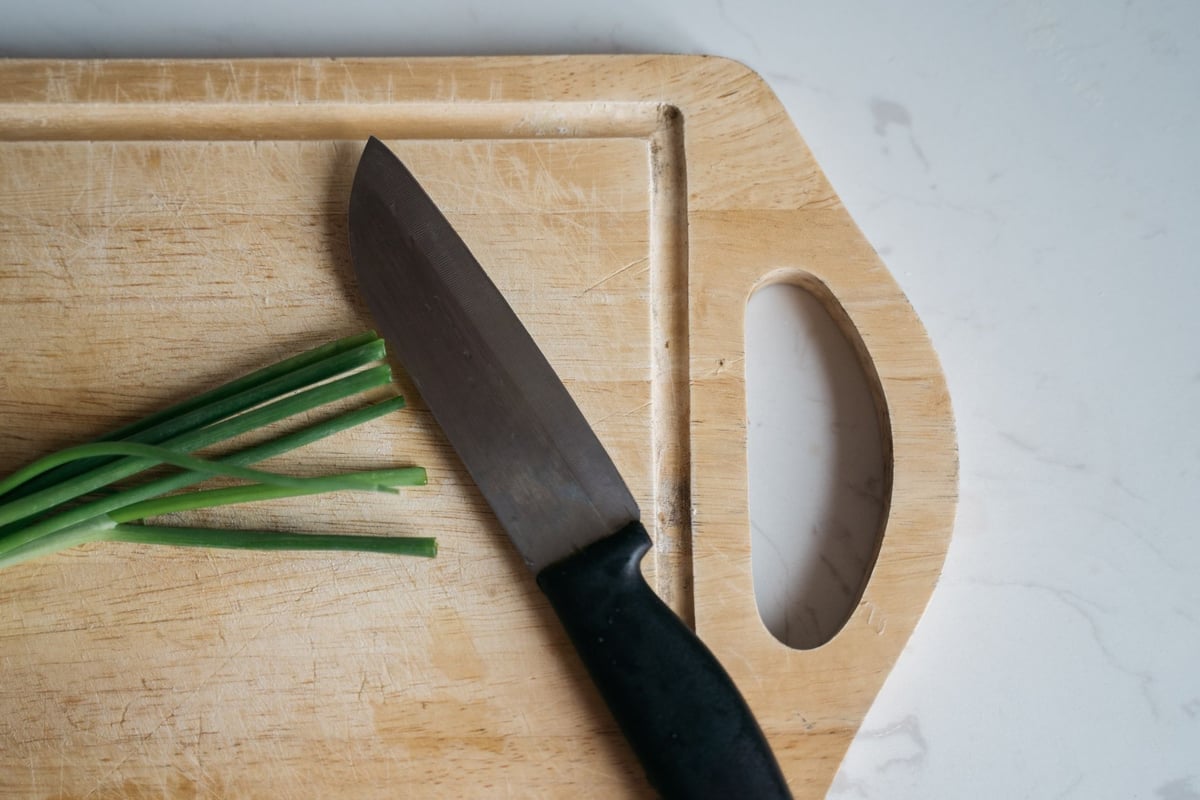
If your board has deep grooves that you cannot scrub clean, replace it. Boards with heavy scoring harbor bacteria even after washing. For boards that are dishwasher-safe, running them through a hot cycle adds an extra layer of sanitizing.
4. The Refrigerator Vegetable and Meat Drawers
The refrigerator feels safe because everything in it is cold, but cold temperatures slow bacterial growth, they do not stop it entirely. The vegetable drawer and the meat drawer are two of the most overlooked spots in the whole kitchen. Produce leaves behind moisture and debris, and raw meat packaging almost always leaks at least a little.
What to do: Pull out the drawers completely and wash them with warm soapy water, then dry them thoroughly before putting them back. The FDA advises cleaning up spills from raw meat immediately rather than letting them sit. A small spill on the shelf below the meat drawer can contaminate other foods if ignored.
Aim to clean both drawers at least once a month, and do a quick wipe-down any time you notice a spill or an expired item that left moisture behind. For routine cleaning, warm soapy water followed by a thorough rinse and dry is enough.
5. Light Switches, Doorknobs, and Faucet Handles
These are the highest-touch surfaces in your home, and most people never specifically clean them. Everyone who walks through your front door touches the doorknob. Every person who washes their hands touches the faucet handle right before and after. Light switches get flipped constantly without a second thought.
What to do: Wipe these surfaces regularly with a disinfecting wipe or a cloth dampened with a disinfectant solution. The CDC specifically recommends increasing how often you disinfect high-touch surfaces when someone in the household is sick.
Pay attention to the contact time on the disinfectant you are using. Let the surface stay visibly wet for the time listed on the label. That time varies by product, from under a minute on some wipes to 10 minutes on some sprays.
6. The TV Remote and Your Phone
Your phone goes everywhere with you, including places you would rather not think about. The TV remote gets handled by multiple people, often right before or after eating, and almost never gets cleaned. Both surfaces can harbor bacteria and viruses picked up from hands throughout the day.
What to do: For both devices, follow the manufacturer’s instructions first. Apple, Samsung, and most major manufacturers now say a lightly dampened disinfecting wipe is safe for their devices. The key word is lightly. Never spray any liquid directly onto a phone, remote, or any electronic device. Moisture getting into ports or seams can cause damage.
For TV remotes, remove the batteries before wiping if possible, and pay attention to the spaces between buttons where grime collects. A cotton swab dampened with a small amount of isopropyl alcohol (where the manufacturer allows it) can get into those grooves.
7. The Toothbrush Holder
This one surprises a lot of people. The toothbrush holder sits near the toilet, collects water drips from wet brushes, and rarely gets washed out. That standing moisture at the bottom of the holder creates ideal conditions for mold and bacteria.
What to do: The CDC and American Dental Association both recommend storing toothbrushes upright so they can air-dry between uses, and keeping them from touching each other. Contact between brushes can transfer bacteria from one person to another.
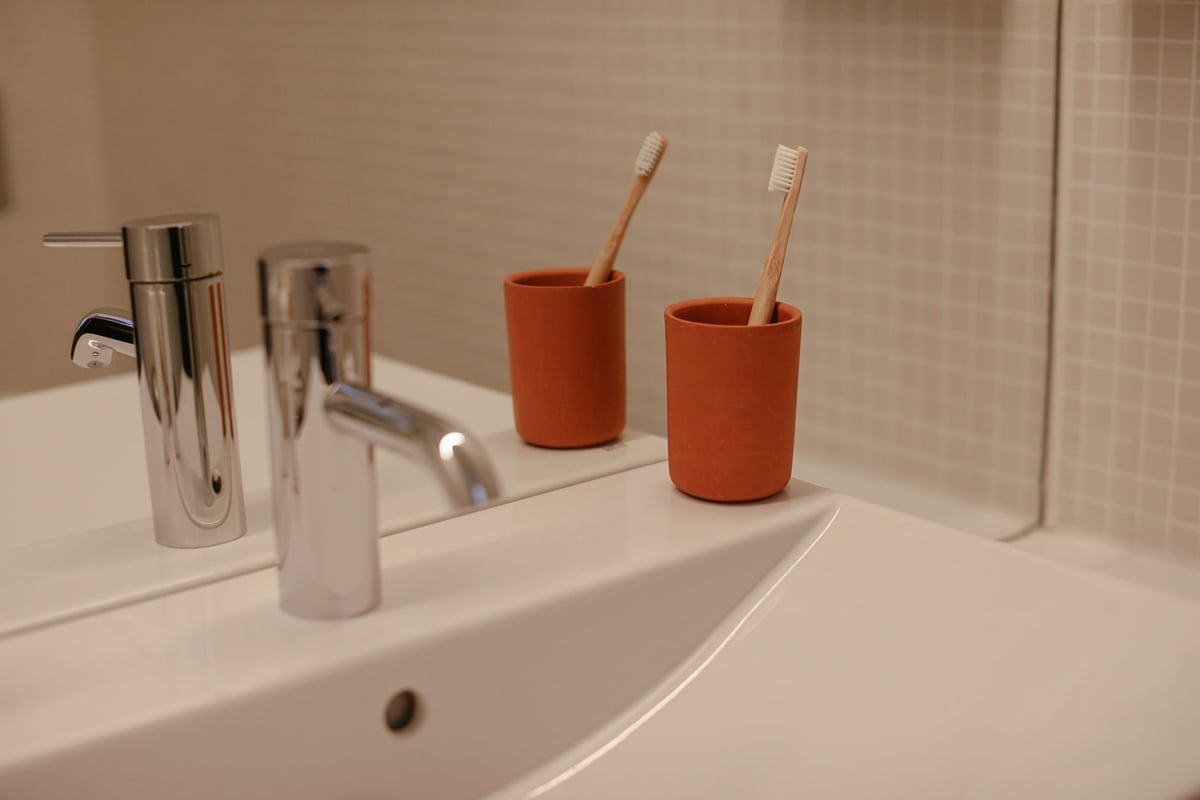
Wash the holder itself weekly. Many are dishwasher-safe; check the bottom for that symbol. If not, wash it with hot soapy water and let it dry completely before replacing your brushes. Closing the toilet lid before flushing also reduces the aerosol spray that can settle on nearby surfaces, including toothbrushes.
8. Pet Bowls and Pet Toys
Pet food bowls rank among the germiest items in the home according to NSF International’s household germ testing. Wet pet food residue left in a bowl sitting at room temperature can grow bacteria quickly. Pet toys that go in and out of your dog or cat’s mouth also accumulate bacteria and yeast over time.
What to do: Wash pet food and water bowls daily with hot soapy water. The FDA’s guidelines on pet food safety recommend washing pet food bowls and scoops with soap and hot water after each use, washing water bowls daily, and promptly refrigerating or throwing out leftover canned or pouched food.
Soft pet toys can often be run through the washing machine. Rubber and hard plastic toys can be washed with hot soapy water or in the dishwasher if they are dishwasher-safe. Check them regularly for cracks, which harbor bacteria the way cutting board grooves do.
A Note on Cleaning Product Safety
Whatever cleaning or disinfecting products you use, never mix bleach with ammonia, vinegar, or other household cleaners. That combination produces toxic gases that can cause serious respiratory harm. Use products exactly as the label directs, ventilate the area while cleaning, and keep all cleaning products stored where children cannot reach them. The EPA recommends reading the full label on any disinfectant before use, including the directions for your specific surface type.
Quick-Reference Cleaning Checklist
- Kitchen sponge: Microwave damp for 1 minute or run through the dishwasher with a drying cycle every few days. Replace every 1 to 2 weeks.
- Dish rags: Wash in hot water every 2 to 3 days. Do not leave damp on the counter.
- Kitchen sink and drain: Wash with hot soapy water and sanitize after contact with raw meat. Clean the drain cover regularly.
- Cutting boards: Wash with hot soapy water after every use. Use separate boards for raw meat. Replace boards with deep grooves.
- Refrigerator drawers: Wash with warm soapy water and dry thoroughly at least once a month. Clean up raw meat spills immediately.
- Light switches, doorknobs, faucet handles: Wipe with a disinfecting wipe regularly. Increase frequency when someone is sick. Observe the product’s contact time.
- Phone and TV remote: Use a lightly dampened disinfecting wipe. Never spray liquid directly on electronics. Follow manufacturer guidance.
- Toothbrush holder: Wash weekly. Store brushes upright, not touching each other. Close the toilet lid before flushing.
- Pet bowls and toys: Wash bowls with hot soapy water daily. Wash soft toys in the machine and hard toys with hot soapy water regularly.
- Safety reminder: Never mix bleach with ammonia, vinegar, or other cleaners. Ventilate, read labels, and keep products away from children.
The information in this article is for general informational purposes only. We are not doctors, medical professionals, lawyers or financial advisors, and nothing on this site is intended as medical, legal or financial advice. Always consult a qualified professional about your own circumstances before acting on any information here. We accept no liability for any loss or damage arising from the use of, or reliance on, the information in this article.
- 0shares
- Facebook0
- Twitter0
- Pinterest0