
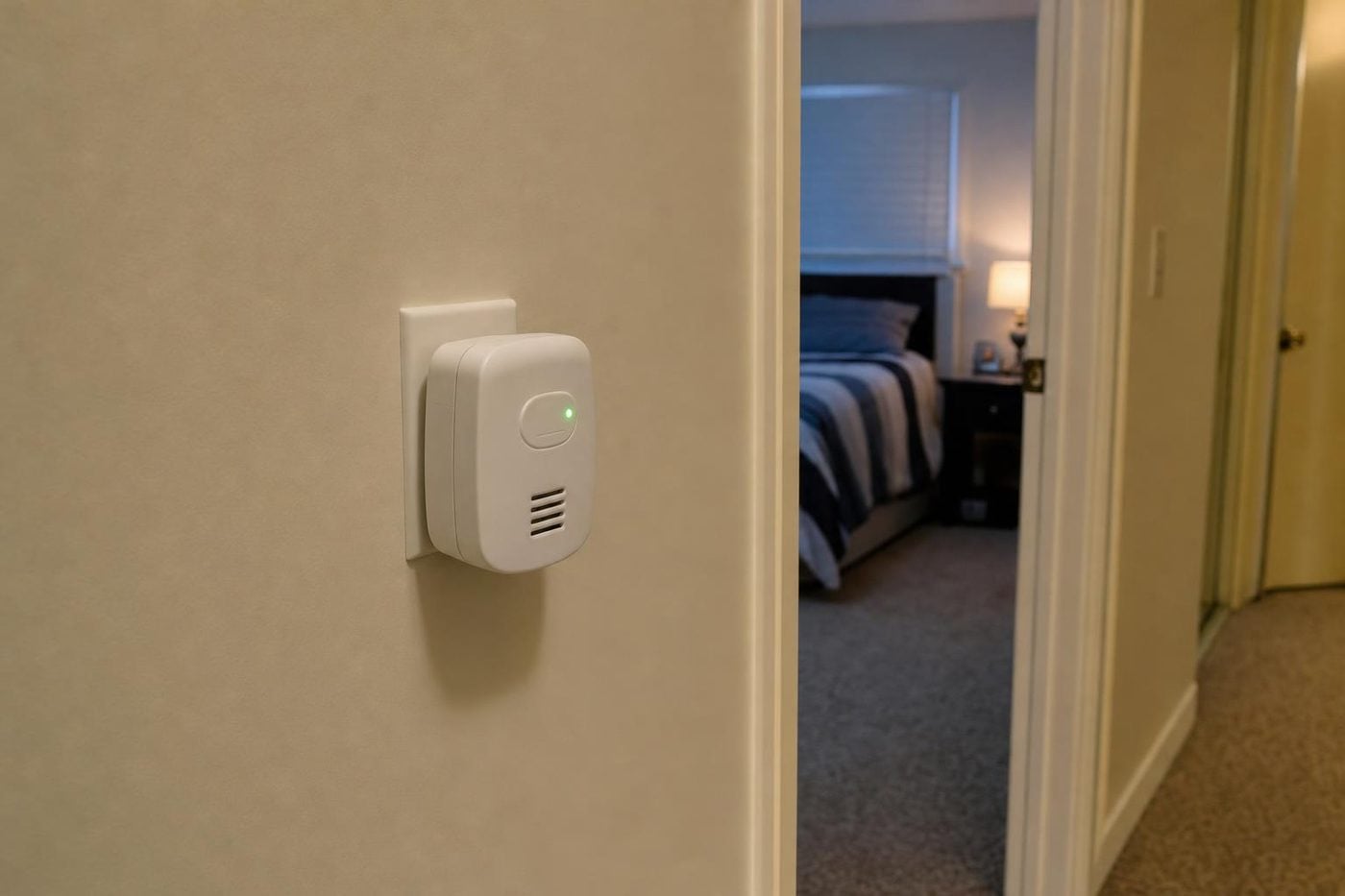
Carbon monoxide has no color, no smell, and no taste. You cannot sense it building up in your home, and by the time symptoms appear, some family members may already be in serious danger. The CDC reports that more than 400 Americans die each year from accidental CO poisoning not linked to fires, and winter brings extra risk because furnaces, fireplaces, generators, and cars in attached garages all run harder and longer when temperatures drop.
The good news is that CO poisoning is almost entirely preventable. The mistakes that lead to it are common, correctable, and usually free or low-cost to fix. Here are the six that matter most.
1. Having No CO Alarm, or Only One in the Whole House
This is a common and dangerous oversight. The U.S. Consumer Product Safety Commission and the National Fire Protection Association both recommend placing a CO alarm outside each sleeping area and on every level of the home, including the basement. One alarm in the hallway near the living room is not enough if bedrooms are on a different floor or on the opposite end of the house.
Placement within a room matters too. Follow the manufacturer’s instructions for each unit, since different models have different mounting requirements. Some are designed to go near the ceiling, others near an outlet at a lower height. Getting that wrong can mean the alarm responds more slowly than it should.
Once your alarms are installed, test them monthly using the test button. Beyond that, CO alarms have an expiration date. Most units chirp or display an end-of-life warning when they reach it, but do not rely on the chirp alone. Flip the alarm over and check the manufacture date printed on the back, then follow the manufacturer’s replacement timeline from that date. There is no single universal number of years that applies to every unit on the market.
One more thing worth knowing: a CO alarm is not the same as a smoke alarm. They detect different things. Combination units that handle both are available and are worth considering, but either way, make sure your home has both smoke alarms and CO alarms.
2. Skipping the Annual Inspection for Your Furnace, Water Heater, and Chimney
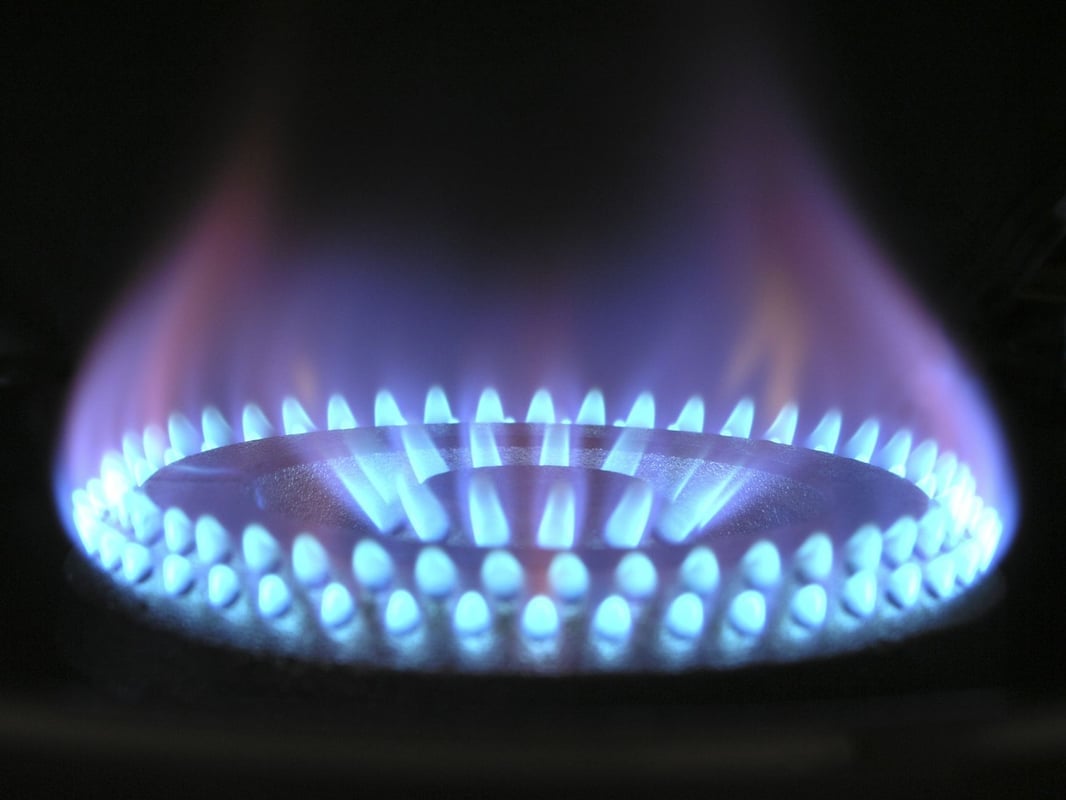
Every fuel-burning appliance in your home is a potential CO source if it is not working correctly. That includes your furnace, boiler, water heater, fireplace, and any gas or oil-fired equipment. The CPSC, the U.S. Fire Administration, and the NFPA all recommend having these systems inspected by a qualified technician every year, before heating season starts.
What goes wrong when you skip inspections? Heat exchangers crack. Burners get dirty and start burning fuel incompletely. Venting connections corrode or separate. Any of these problems can send CO into your living space without any visible sign of trouble.
Chimneys need separate attention. A chimney that looks fine from the outside can have a cracked liner, a blockage from debris or animal nesting, or deteriorated mortar that allows combustion gases to leak back into the house instead of venting safely outside. A certified chimney sweep or a qualified HVAC technician can catch these problems before you light the first fire of the season.
Schedule the inspection in late summer or early fall if possible. Technicians get booked quickly once cold weather arrives.
3. Running a Generator Indoors or Too Close to the House
Portable generators produce CO at a rate that can be lethal within minutes in an enclosed space. The CDC and the CPSC are both direct on this point: never run a generator inside a home, garage, basement, or crawlspace, even if the doors and windows are open. Ventilation alone is not enough to prevent CO from reaching dangerous levels.
The CDC’s guidance is to keep generators outdoors and at least 20 feet away from windows, doors, and vents. That distance matters because CO can drift back inside even when the generator is sitting just outside a door or in a breezeway. Pointing the exhaust away from the house helps, but distance is the main protection.
Many CO poisoning incidents involving generators happen during and after winter storms, when power is out and people are desperate to stay warm or keep the refrigerator running. Plan generator placement before the emergency happens so you are not making a rushed decision in the dark.
4. Warming Up Your Car in an Attached Garage
Even with the garage door fully open, warming up a car in an attached garage is dangerous. A running engine produces enough CO to build up in both the garage and the connected living space faster than most people realize. The CO does not just stay in the garage. It seeps under doors, through shared walls, and through any gap in the construction.
The safe habit is simple: never let the engine idle in the garage. Open the garage door, start the car, and back it straight out. Modern vehicles do not need extended warm-up time anyway. That is all it takes to remove the risk.
If your garage is detached from your home, the risk is lower but not zero. A detached garage can still accumulate CO quickly enough to harm someone working inside. The same rule applies: start the engine, then move the vehicle outside before letting it idle.
5. Using a Gas Oven, Stove, Grill, or Camp Stove to Heat Your Home
When heating systems fail or power goes out, some people turn to whatever fuel-burning equipment is available. Gas ovens and stovetops are common substitutes, and grills or camp stoves sometimes get moved inside garages or screened porches. All of these are CO hazards.
The CPSC specifically warns against using a gas oven or range to heat a home. These appliances are designed for cooking, not sustained heat generation, and running them that way produces CO at levels that can quickly become dangerous in a home environment.
Charcoal grills are particularly hazardous. Burning charcoal produces large amounts of CO and should never be used indoors or in a garage, even with the garage door open. The same applies to camp stoves that use propane or other fuels. These are outdoor-only devices. A garage with the door open is still an enclosed enough space to allow dangerous CO buildup.
If your heat goes out, use blankets, go to a warming center, or stay with family while repairs are made. The temporary discomfort is not worth the risk.
6. Ignoring Blocked Vents and Exhaust Flues

If your furnace, water heater, or dryer burns gas or oil, it has an exhaust vent that runs to the outside of your house. These vents are what allow combustion gases and moisture to escape safely. When they get blocked, those gases have nowhere to go except back inside your home.
In winter, the most common culprits are snow and ice. A heavy snowfall can bury a low-mounted exhaust vent completely. Ice can form over vent openings in freezing weather. Leaves, debris, and animal or bird nests are year-round hazards that often go unnoticed until they cause a problem.
After every significant storm, walk around your house and visually check each exterior vent. Clear any snow or ice carefully. If you see signs of a nest or significant debris, have a technician clear it properly before running the appliance. Never block or cover vents yourself, and never extend or modify vent pipes without professional guidance, as improper venting is itself a CO risk.
Knowing where your vents are located before a storm hits makes this check much faster. Add it to your post-storm routine alongside checking gutters and clearing walkways.
Know the Symptoms of CO Poisoning
The CDC says CO poisoning symptoms are often described as flu-like. The most common are headache, dizziness, weakness, upset stomach, vomiting, chest pain, and confusion. These symptoms can be easy to dismiss or misread, especially if multiple family members feel sick at the same time.
Two groups are at especially high risk of not noticing in time. People who are asleep may never wake up. People who have been drinking alcohol may not register the symptoms as serious. Pets can also be affected and may act lethargic or sick before you notice anything yourself.
If your CO alarm sounds, do not wait to investigate the source. Get every person and pet out of the home immediately and move to fresh air. Call 911 or the fire department from outside. Do not go back inside for any reason until emergency responders have assessed the home and confirmed it is safe.
Quick-Reference Checklist
- CO alarms: Install outside every sleeping area and on every level. Test monthly. Check the manufacture date on the back and replace per the manufacturer’s schedule.
- Annual inspection: Have a qualified technician inspect all fuel-burning appliances and chimneys before heating season.
- Generators: Run outdoors only, at least 20 feet from windows, doors, and vents. Never in a garage, even with the door open.
- Car warm-up: Never let a car idle in an attached garage, even with the door open. Start it and back straight out.
- Ovens and grills: Never use a gas oven, charcoal grill, or camp stove to heat your home or garage.
- Exterior vents: Check furnace, water heater, and dryer vents after every storm. Clear snow, ice, and debris promptly.
- Symptoms: Headache, dizziness, nausea, confusion, chest pain. Get everyone outside immediately and call 911.
- Smoke alarms: CO alarms do not detect smoke. Make sure you have both types installed and working.
The information in this article is for general informational purposes only. We are not doctors, medical professionals, lawyers or financial advisors, and nothing on this site is intended as medical, legal or financial advice. Always consult a qualified professional about your own circumstances before acting on any information here. We accept no liability for any loss or damage arising from the use of, or reliance on, the information in this article.
- 0shares
- Facebook0
- Twitter0
- Pinterest0