
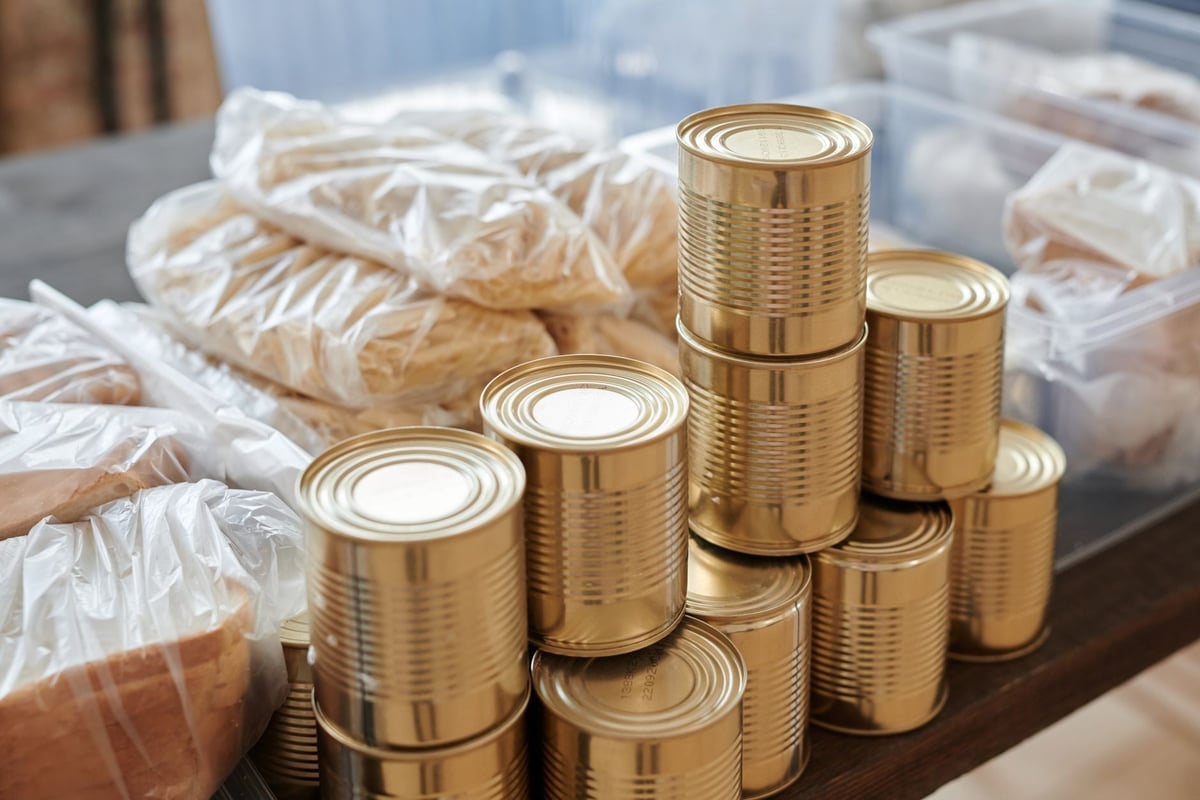
Here is something most people do not realize: with the exception of infant formula, product dating on food packaging is not required by federal law. The dates you see on eggs, cheese, canned goods and frozen dinners are not safety deadlines. According to the USDA Food Safety and Inspection Service (FSIS), “best if used by” and “sell by” dates refer to quality, not safety. A food can be perfectly safe to eat past that date if it has been stored properly.
That does not mean everything is fair game forever. Anything that smells off, looks slimy or shows mold where it should not be should go straight into the trash. And you should never taste food just to test it. But the date on the label alone is not enough reason to toss something. You may be throwing away food that is completely fine.
Here are seven foods that regularly end up in the garbage too soon, and what USDA, FDA and university extension guidance actually says about each one.
1. Eggs
What people do
Most people check the sell-by date on the carton, see that it passed a few days ago and throw the eggs out. It feels like the safe call.
Why it is a problem
The sell-by date is there for the store, not for you. According to the USDA FSIS, refrigerated shell eggs can be used 3 to 5 weeks after the date of purchase, even if the sell-by date has already passed. That is a meaningful window of safe, usable eggs that most households are discarding without a second thought.
What to do instead
Keep your eggs in their original carton and store them in the main body of the refrigerator, not the door. The door is the warmest spot and causes temperature swings every time you open the fridge. If you want to double-check freshness, lower a raw egg into a bowl of cold water. A fresh egg sinks and lays flat. An older but still usable egg may stand upright. A floating egg is simply a very old one. The float test shows age, not safety, so stick to the 3 to 5 week window and crack eggs into a separate bowl so you can check the smell first. Any egg with cracks or an off odor when cracked open should also be thrown out.
2. Hard Cheese With a Spot of Mold
What people do
You open a block of cheddar or Parmesan, spot a small patch of mold and throw the whole thing away. That reaction is understandable but wasteful.
Why it is a problem
Hard and semi-hard cheeses like cheddar, Colby, Gouda and Parmesan have low moisture content, which limits how far mold can penetrate. The USDA says you can safely salvage these cheeses by cutting off at least one inch around and below the mold spot. The key detail from USDA guidance: keep the knife out of the mold itself so you do not cross-contaminate the clean portion.
What to do instead
Cut away the mold with a generous margin, rewrap the remaining cheese in fresh plastic wrap or wax paper and use it within a few days. Store hard cheese in the coldest part of your fridge, ideally between 34 and 38 degrees Fahrenheit. Do not apply this rule to soft cheeses. Brie, ricotta, cottage cheese, cream cheese and similar soft varieties have high moisture that allows mold to spread throughout the product even when it is only visible on the surface. If a soft cheese grows any mold that is not part of how it was made, throw out the entire container.
3. Stale Bread
What people do
Bread goes stale after a few days on the counter, feels dry and unappetizing and ends up in the trash even when there is no mold in sight.
Why it is a problem
Staleness is a texture issue, not a safety issue. Bread that has dried out is still perfectly safe to eat. Staling comes mostly from a process called retrogradation, where the starches firm up as the bread ages. That has nothing to do with spoilage or bacterial growth.
What to do instead
Toast it. Stale bread toasts beautifully because the dry texture actually crisps up faster and more evenly than fresh bread. You can also blitz it in a food processor or blender to make breadcrumbs, which keep for weeks in an airtight container in the freezer. Stale bread also works well for French toast, croutons and bread pudding. The one firm line: if you see any mold on bread, throw the entire loaf away. Mold on bread spreads through the soft interior long before it is visible on the surface, so cutting around it is not safe the way it is with hard cheese.
4. Canned Goods Past the Best-By Date
What people do
A can of diced tomatoes or black beans sits in the pantry past its best-by date and gets tossed during the next pantry cleanout. It feels like the responsible thing to do.
Why it is a problem
According to USDA guidance, properly stored canned foods remain safe well past printed dates. High-acid canned foods such as tomatoes, citrus juice and pineapple maintain their best quality for 12 to 18 months. Low-acid canned foods such as canned vegetables, meat, poultry and beans hold their best quality for 2 to 5 years. After those windows, quality (flavor, texture, color) may decline, but the food can still be safe if the can is in good condition.
What to do instead
Before you open any can, inspect it carefully. Throw out any can that is bulging, leaking, deeply dented along the seam, or shows signs of rust. According to USDA FSIS, a small dent on a can that is otherwise in good shape is fine. But throw out any can with a dent deep enough to lay your finger into, and any sharp dent on the top or side seam, because seam damage can let bacteria into the can. If a can hisses or spurts liquid when you open it, do not taste it. Discard it immediately and wash your hands and any surfaces it contacted. Store canned goods in a cool, dry place away from heat sources like the stove or direct sunlight.
5. Dry Pasta, Rice and Dried Beans
What people do
Dry goods with a best-by date from two years ago get pulled from the back of the pantry and thrown out during a cleaning session, even when they look and smell completely normal.
Why it is a problem
Dry pasta, white rice and dried beans are extremely shelf-stable foods. As long as they are kept dry, sealed and free of pests, they remain safe to eat for years. The date on the package reflects when the manufacturer expects the product to be at its absolute peak quality, not when it becomes harmful.
What to do instead
Check three things before you cook them: look for insects or webbing (a sign of pantry moth or weevil infestation), check for any visible moisture or clumping, and give the package a quick smell. A musty, rancid or chemical odor means something has gone wrong and the food should be discarded. If it passes those three checks, cook it. One exception worth noting: brown rice goes rancid significantly sooner than white rice because it retains its bran layer, which contains oils that break down over time. Keep brown rice in a cool spot or the fridge, and give it a sniff before you cook it. Store all dry goods in airtight containers to keep moisture and pests out.
6. Wilting Vegetables
What people do
Celery that has gone floppy, carrots that bend a little, or lettuce that has lost its crunch get thrown out because they look sad and unappetizing. The assumption is that limp means spoiled.
Why it is a problem
Wilting in vegetables is caused by moisture loss, not bacterial spoilage. A limp carrot or a droopy stalk of celery is not unsafe. It has simply dried out, and in many cases that process is reversible.
What to do instead

Soak wilted vegetables in ice water for 15 to 30 minutes. The cold water is absorbed back into the cells and can restore a surprising amount of crispness. This works especially well with celery, carrots, radishes and leafy greens. After soaking, dry them thoroughly before storing. The firm line here: if vegetables are slimy, have a foul odor or show visible mold, they should be thrown away. Sliminess indicates bacterial breakdown, and no amount of soaking fixes that. Leafy greens like spinach or romaine that have developed a slimy texture or brown liquid at the bottom of the bag should go in the trash.
7. Frozen Foods Past the Date
What people do
A bag of frozen peas or a piece of chicken buried in the back of the freezer gets discovered months after the date on the package and tossed out on principle.
Why it is a problem
The USDA is clear on this point: food kept at a constant 0 degrees Fahrenheit stays safe indefinitely. Freezing does not kill bacteria, but it completely stops their growth. The dates on frozen food packaging are about quality, not safety.
What to do instead
Check for freezer burn, which appears as grayish-brown dry patches or ice crystals on the food surface. Freezer burn is a quality issue caused by air reaching the food, not a safety issue. You can cut away freezer-burned sections and eat the rest, though the texture and flavor in affected areas will be off. To prevent freezer burn going forward, press as much air as possible out of freezer bags before sealing, and wrap items tightly in heavy-duty foil or freezer paper. Keep your freezer at 0 degrees Fahrenheit and avoid leaving the door open longer than necessary. According to the FoodSafety.gov cold storage chart, ground meat keeps its best quality for 3 to 4 months in the freezer and raw chicken pieces for about 9 months, but they remain safe beyond that window as long as the freezer stays at the right temperature.
The One Rule That Covers Everything
When in doubt, throw it out. That applies to anything with an off smell, a slimy texture, mold in an unexpected place or a can in bad physical condition. And never taste food to test whether it is safe. Some of the most dangerous foodborne pathogens, including the bacteria that produce botulism toxin, do not change the smell, taste or appearance of food at all. If something seems wrong, trust that and discard it without tasting.
For the vast majority of the foods covered here, though, the date on the label is not the signal you should be using. Your eyes, your nose and the storage conditions in your home are much more reliable guides than a printed number.
Quick-Reference Checklist
- Eggs: Safe 3 to 5 weeks after purchase even past sell-by. Store in the carton in the main fridge, not the door. Discard if cracked or foul-smelling.
- Hard cheese with mold: Cut off at least 1 inch around and below the mold. Keep the knife out of the mold. Discard all soft cheeses with any mold.
- Stale bread: Toast it or make breadcrumbs. Discard the entire loaf if any mold appears.
- Canned goods: High-acid foods stay at best quality 12 to 18 months; low-acid 2 to 5 years. Discard bulging, leaking, seam-dented or rusted cans immediately.
- Dry pasta, rice and beans: Safe for years if dry, sealed and pest-free. Brown rice goes rancid sooner, so sniff it before cooking. Discard if insects, moisture or off odor present.
- Wilting vegetables: Soak in ice water 15 to 30 minutes to revive. Discard if slimy, moldy or foul-smelling.
- Frozen foods: Safe indefinitely at 0 degrees Fahrenheit. Freezer burn is a quality issue, not a safety issue. Cut away affected areas and use the rest.
- Universal rule: Off smell, sliminess or unexpected mold means discard. Never taste food to test it.
The information in this article is for general informational purposes only. We are not doctors, medical professionals, lawyers or financial advisors, and nothing on this site is intended as medical, legal or financial advice. Always consult a qualified professional about your own circumstances before acting on any information here. We accept no liability for any loss or damage arising from the use of, or reliance on, the information in this article.
- 0shares
- Facebook0
- Twitter0
- Pinterest0