

Vinegar has earned a reputation as a wonder cleaner. It is inexpensive, widely available, and genuinely effective on certain tasks. But that usefulness comes with a catch: white distilled vinegar is about 5 percent acetic acid, and acid reacts with a surprising range of household surfaces in ways you probably do not want.
The damage usually does not happen all at once. It tends to build up over repeated use, and by the time you notice the dull finish or the pitted stone, reversing it is difficult or impossible. Knowing where vinegar belongs and where it absolutely does not can save you a lot of frustration and money.
Below are seven surfaces and items you should keep vinegar away from, along with what to use instead. At the end, there is also a quick note on safety and a short checklist you can reference later.
1. Natural Stone Countertops and Floors
Marble, limestone and travertine are calcium-based stones, and acid attacks them. The Natural Stone Institute warns that products containing lemon, vinegar or other acids may dull or etch these stones, and even diluted vinegar can etch them quickly. Granite is far more resistant to household acids, so there the bigger concern is the sealer.
Most natural stone countertops and floors are sealed to protect against staining. Repeated acidic cleaning can wear down that sealer, leaving the stone exposed. Once the sealer is compromised, liquids can penetrate the stone itself, causing stains that are much harder to address than a bit of grime on the surface.
Marble is particularly at risk. Its calcium carbonate composition reacts directly with acid, leaving dull spots and rough patches called etching. These are not stains you can wipe away. They are actual surface damage.
What to use instead: A cleaner specifically formulated for natural stone, or a small amount of mild dish soap mixed into warm water. Rinse well and dry the surface to avoid water spots. Avoid acidic cleaners, including many bathroom and tub and tile products.
2. Hardwood Floors With a Finish
Many homeowners have heard that diluted vinegar works on hardwood floors. Flooring manufacturers push back on that. Bruce, for example, lists acidic materials such as vinegar among the things not to use on its hardwood floors. Over time, acid can dull the finish that protects the wood underneath.
The effect is cumulative. One cleaning may not show obvious damage, but repeated exposure dulls the finish, making the floors look worn and flat. Once the protective layer is compromised, the bare wood underneath becomes more vulnerable to moisture damage, scratches, and staining.
What to use instead: Follow the cleaner recommended by your floor manufacturer. Many flooring brands offer their own cleaning products formulated specifically for their finish type. If you no longer have the installation paperwork, check the manufacturer’s website or contact them directly. A lightly damp microfiber mop and a pH-neutral hardwood floor cleaner is a safe choice for most finished floors.
3. Electronic Screens
Your phone, laptop, tablet, and flat-screen TV all have protective coatings on their screens. Anti-glare coatings reduce reflections. Oleophobic coatings repel fingerprints and skin oil. These coatings are thin and delicate, and vinegar can damage or strip them over time.
Device makers spell out what is safe to use. Apple, for example, says to use a soft, lint-free cloth, warns against sprays, bleach and abrasives, and approves only specific products such as 70 percent isopropyl alcohol wipes. Vinegar is not on that list. Once an oleophobic coating wears off, your screen becomes a fingerprint magnet and the damage cannot be undone at home.
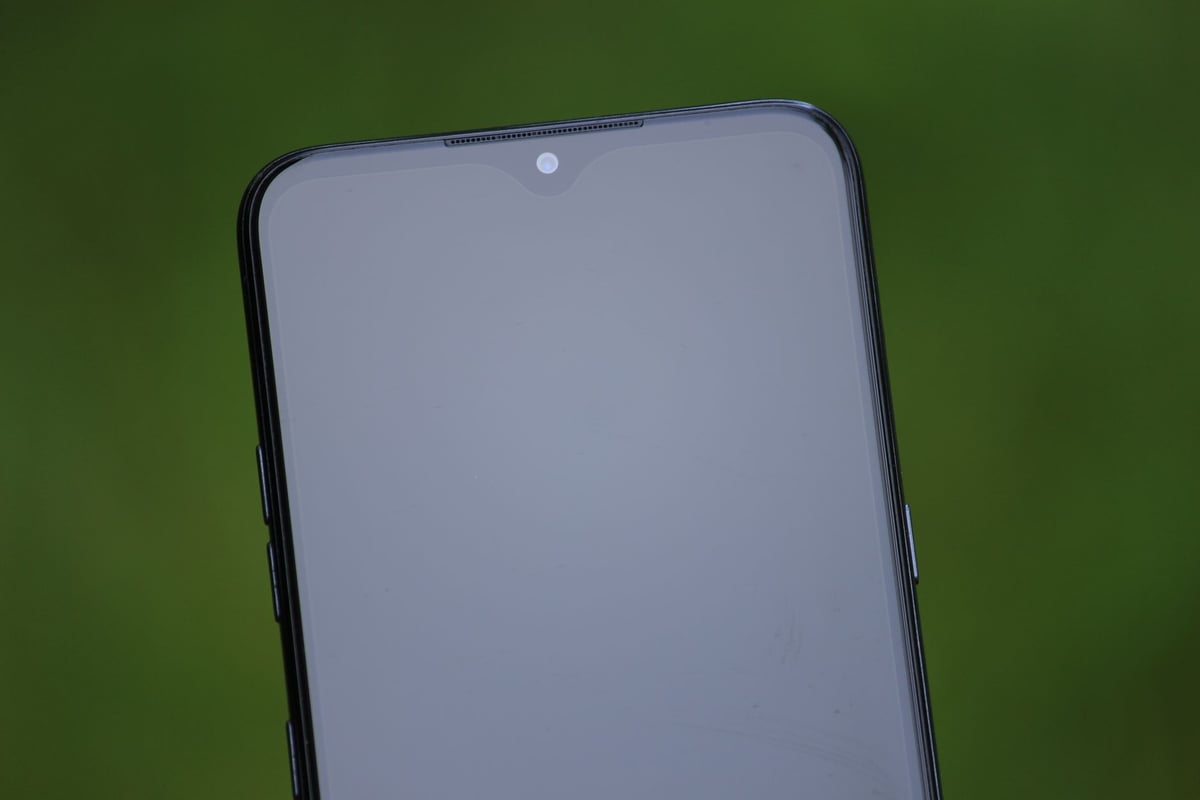
What to use instead: A dry microfiber cloth handles most screen smudges. For something stickier, a microfiber cloth that is barely damp with plain water is usually sufficient. Check the care instructions for your specific device. Some manufacturers now approve isopropyl alcohol wipes at certain concentrations for disinfecting, but that varies by brand and device.
4. Cast Iron Pans
Cast iron cookware depends on its seasoning, which is a layer of polymerized oil bonded to the surface of the pan. That seasoning is what gives cast iron its non-stick properties and protects the metal from rust. Vinegar can strip seasoning.
Some sources suggest using a brief diluted vinegar soak to remove rust from cast iron, and there is a narrow use case for that if the pan is already heavily rusted and you plan to re-season it immediately afterward. But using vinegar as a regular cleaning method can wear down the seasoning, leaving you with a sticky, uneven surface and a pan that is prone to rust.
Acidic foods like tomatoes already stress cast iron seasoning during cooking. Adding vinegar to the cleaning routine compounds the problem.
What to use instead: Warm water, a little dish soap if needed, and a stiff brush or a chainmail scrubber work well for most stuck-on food. Dry the pan thoroughly after washing, ideally on the stove over low heat for a minute or two, then wipe a very thin layer of oil over the surface while it is still warm. This wash, dry and oil routine is what Lodge, the cast iron maker, recommends.
5. Unsealed Grout
Grout is a cementitious material, and cement is alkaline. When you clean unsealed grout with vinegar, the acid reacts with the alkaline compounds in the grout and gradually breaks it down. Mapei, a grout manufacturer, says frequent or regular vinegar use can discolor and weaken cement grout and should not be part of routine maintenance.
Sealed grout is somewhat more protected, but repeatedly applying an acidic cleaner can wear down the sealant just as it does on natural stone. The practical rule is to avoid vinegar on grout entirely unless you are certain the grout is sealed and you are treating it as a one-time stain situation rather than a routine cleaner.
What to use instead: A pH-neutral tile and grout cleaner, applied according to its directions. For stubborn stains, a paste of baking soda and water scrubbed in with an old toothbrush is gentler and does not carry the same acid risk. For routine maintenance, warm water and a stiff brush are often sufficient.
6. Small Appliances With Rubber Seals or Hoses
Some manufacturers warn against using vinegar inside appliances that contain rubber gaskets, seals, or hoses. Coffee and espresso machines are the clearest example. The concern is that repeated acid exposure can degrade rubber components over time, potentially causing them to crack, stiffen, or leak.
This does not mean vinegar is universally unsafe in every appliance. Some coffee maker manufacturers do recommend a vinegar rinse cycle for descaling. But others specifically advise against it. Philips, for example, tells owners of its espresso machines not to use products containing acetic acid (vinegar), saying they damage the machine and void the warranty.
The safest approach is to check your appliance manual before using vinegar as a cleaning or descaling agent inside any machine. This takes two minutes and can prevent both appliance damage and a voided warranty.
What to use instead: Follow your appliance manufacturer’s guidance. Many brands sell or recommend specific descaling products for their machines. If you cannot get the approved descaler, ask the manufacturer before substituting anything else.
7. Waxed or Oiled Wood Furniture
Wood furniture finished with wax or oil, including antique pieces, pieces treated with beeswax, and furniture finished with linseed or tung oil, can be damaged by vinegar. The acid strips wax and can dull or lift oil finishes, leaving the wood looking flat and uneven.
This matters especially for antique and heirloom furniture, where the original finish is part of the value and character of the piece. Even on newer waxed or oiled furniture, stripping the finish means you need to reapply it, which takes time and the right materials.
Furniture with a hard lacquer or polyurethane finish is generally more resistant than wax or oil.
What to use instead: A dry or barely damp cloth handles most dust and light grime on waxed or oiled wood. For deeper cleaning, use a product designed for the specific finish type. Paste wax can be reapplied periodically to maintain the surface. If you are unsure what finish your furniture has, test any new cleaner in an inconspicuous spot first and wait a day before proceeding.
A Quick Word on Mixing Vinegar With Other Cleaners
Two mixing warnings are worth repeating because the consequences are serious. Never combine vinegar with chlorine bleach. The reaction releases chlorine gas, which is toxic and can cause respiratory damage, eye irritation, and in a confined space with heavy exposure, serious harm. This includes adding vinegar to a bucket that still has bleach residue in it.
Also avoid mixing vinegar and hydrogen peroxide in the same container. When combined, they can form peracetic acid, which can be highly corrosive and can irritate the eyes, skin and lungs.
Where Vinegar Actually Works Well
Vinegar is genuinely effective in the right situations. It cuts through mineral deposits on faucets and showerheads, which is exactly the kind of job its acidity is suited for. It works on glass surfaces like windows and mirrors. It is a reasonable option for descaling a coffee maker if the manufacturer’s instructions allow it. It also works in washing machines for certain purposes, again, if the appliance manufacturer does not specifically warn against it.
The pattern is clear: vinegar works well on glass and mineral buildup. It causes problems on calcium-based stone, cement grout, finished wood, rubber, coated screens, and seasoned cast iron.
Quick Reference Checklist
- Natural stone (granite, marble, limestone): No vinegar. Use a pH-neutral stone cleaner or mild dish soap and water.
- Finished hardwood floors: No vinegar. Use the cleaner your floor manufacturer recommends.
- Electronic screens: No vinegar. Use a dry or barely damp microfiber cloth.
- Cast iron pans: No vinegar for regular cleaning. Use hot water, a brush, dry thoroughly, and apply a thin coat of oil.
- Unsealed grout: No vinegar. Use a grout-specific cleaner or a baking soda paste.
- Appliances with rubber seals or hoses: Check the manual first before using vinegar inside any appliance.
- Waxed or oiled wood furniture: No vinegar. Use a dry cloth or a finish-appropriate product.
- Never mix vinegar with bleach or hydrogen peroxide.
- Vinegar is fine on: glass, mineral-crusted faucets, and coffee makers where the manufacturer approves it.
The information in this article is for general informational purposes only. We are not doctors, medical professionals, lawyers or financial advisors, and nothing on this site is intended as medical, legal or financial advice. Always consult a qualified professional about your own circumstances before acting on any information here. We accept no liability for any loss or damage arising from the use of, or reliance on, the information in this article.
- 0shares
- Facebook0
- Twitter0
- Pinterest0