
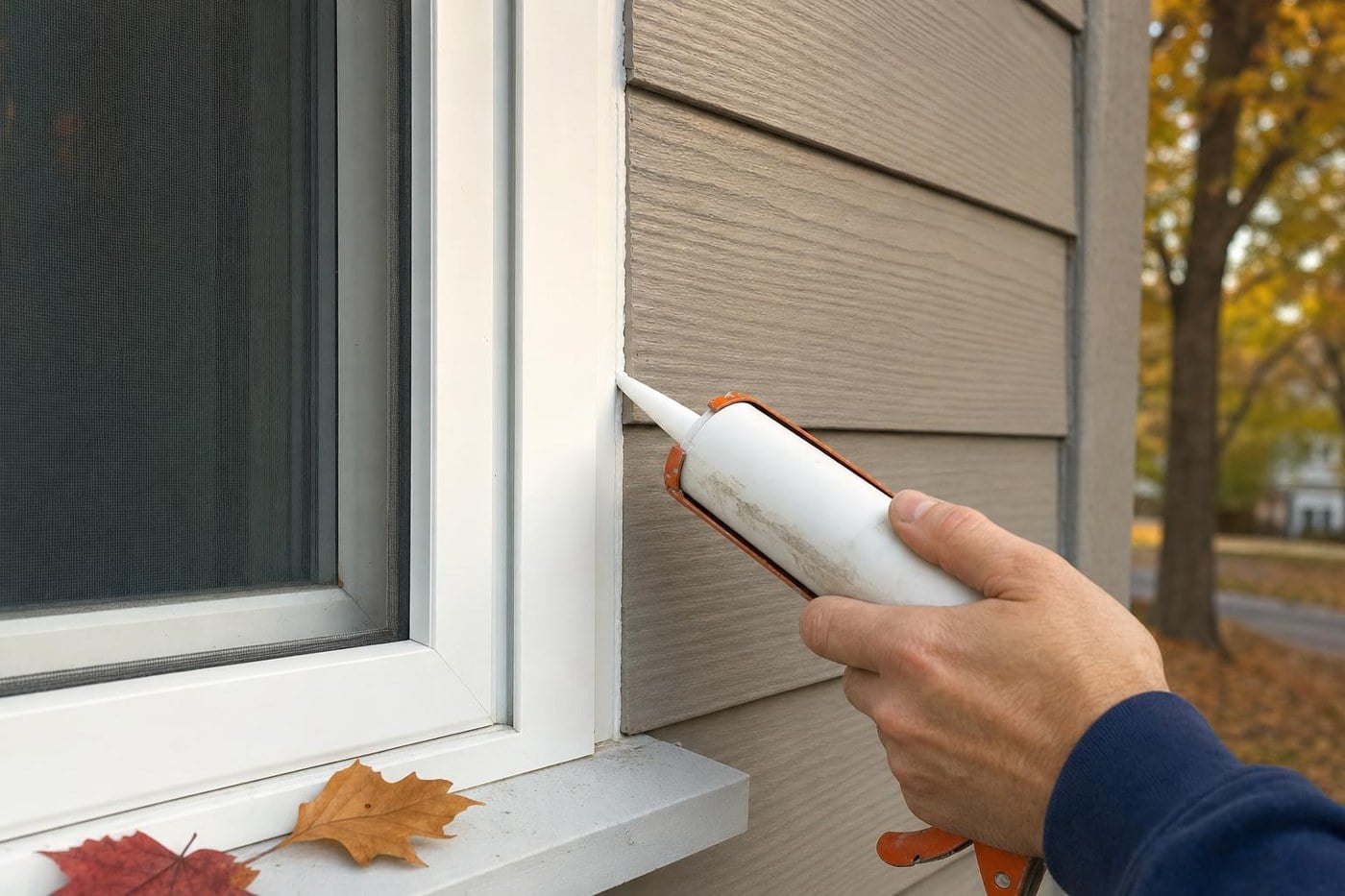
When the first cold nights arrive, you are not the only one looking forward to a warm place to wait out the season. A handful of very common pests are doing the same thing, and your house looks like an excellent option to them. The gaps around your windows, the vents on your soffits, the firewood stacked against the foundation, the boxes you just carried in from the garage: all of it is an open door.
The good news is that most of these pests give you clear warning signs before they become a serious problem, and most of their entry points can be fixed with basic supplies on a weekend afternoon. This list covers six common fall invaders: what to watch for, how they are getting in, and what to do about each one. Mice are a well-known fall invader too, but the focus here is on six others that are easy to overlook until they are well established.
1. Brown Marmorated Stink Bugs
Signs they are already inside
You will smell them before you see them if you are unlucky. On warm fall afternoons, stink bugs gather on south- and west-facing exterior walls in large numbers, soaking up heat. Inside, they turn up in attics, in wall voids, behind baseboards and around window frames. A faint, cilantro-like odor in a room with no apparent source is a common early sign.
How they get in
Brown marmorated stink bugs, an invasive species from East Asia that the USDA says is now present throughout much of the United States, squeeze through gaps as small as the space around a window air conditioner, torn screen mesh, or the junction between siding and a utility pipe. They are especially fond of attic vents that lack fine screening.
What to do
Seal exterior gaps with caulk or expandable foam before the bugs gather on your walls, which typically happens on warm, sunny days in September and October. Fit attic and foundation vents with fine mesh screening. If stink bugs are already inside, vacuum them up using a vacuum cleaner you have dedicated a fresh bag to. Do not crush them. The odor they release when threatened is the whole problem, and the vacuum itself may smell of it for a while afterward. Seal the vacuum bag immediately after use and dispose of it outdoors.
2. Asian Lady Beetles
Signs they are already inside
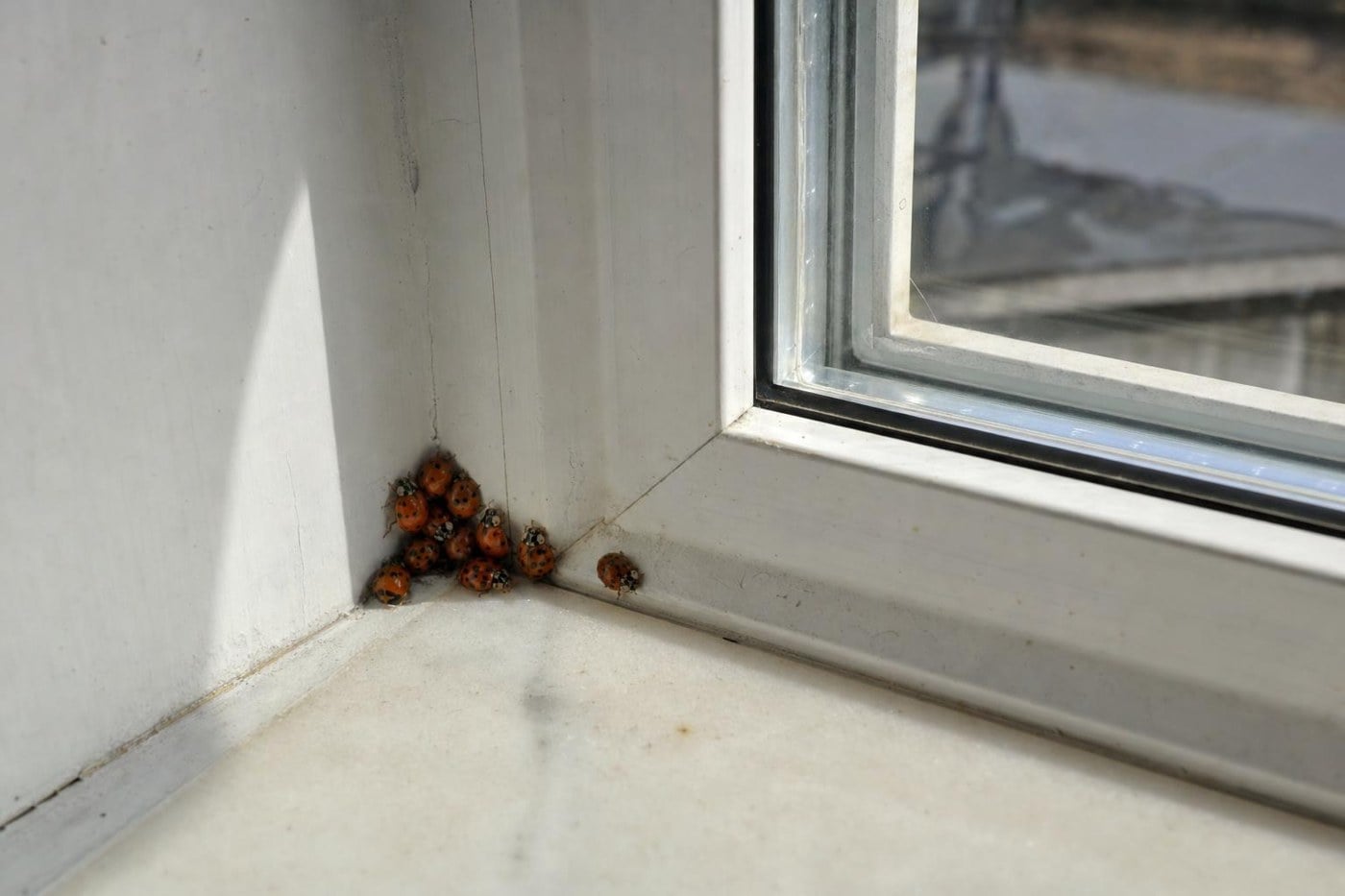
You will find clusters of orange or red beetles, often dozens at a time, around window frames, in attic corners, and along the tops of walls on sunny sides of the house. They look like common ladybugs, with anywhere from no spots to many, and usually have a distinctive “M” or “W” shaped marking just behind the head. When disturbed, they release a yellowish fluid that can stain walls and fabrics.
How they get in
Asian lady beetles aggregate in fall seeking overwintering sites, and they are drawn to light-colored or sun-warmed surfaces. They enter through the same gaps that admit stink bugs: poorly fitted windows, gaps around utility lines, torn door and window screens, and unscreened vents. One important clarification from university extension sources: they do not breed indoors over winter. The ones inside in January are the same ones that slipped in during October.
What to do
The prevention steps are identical to stink bugs: caulk gaps, repair screens, screen vents before mid-fall. For beetles already inside, vacuum them up and release them outside on a mild day if you prefer, or seal the bag and discard it. Avoid squashing them against walls. The fluid they release stains and has an unpleasant odor.
3. Cluster Flies
Signs they are already inside
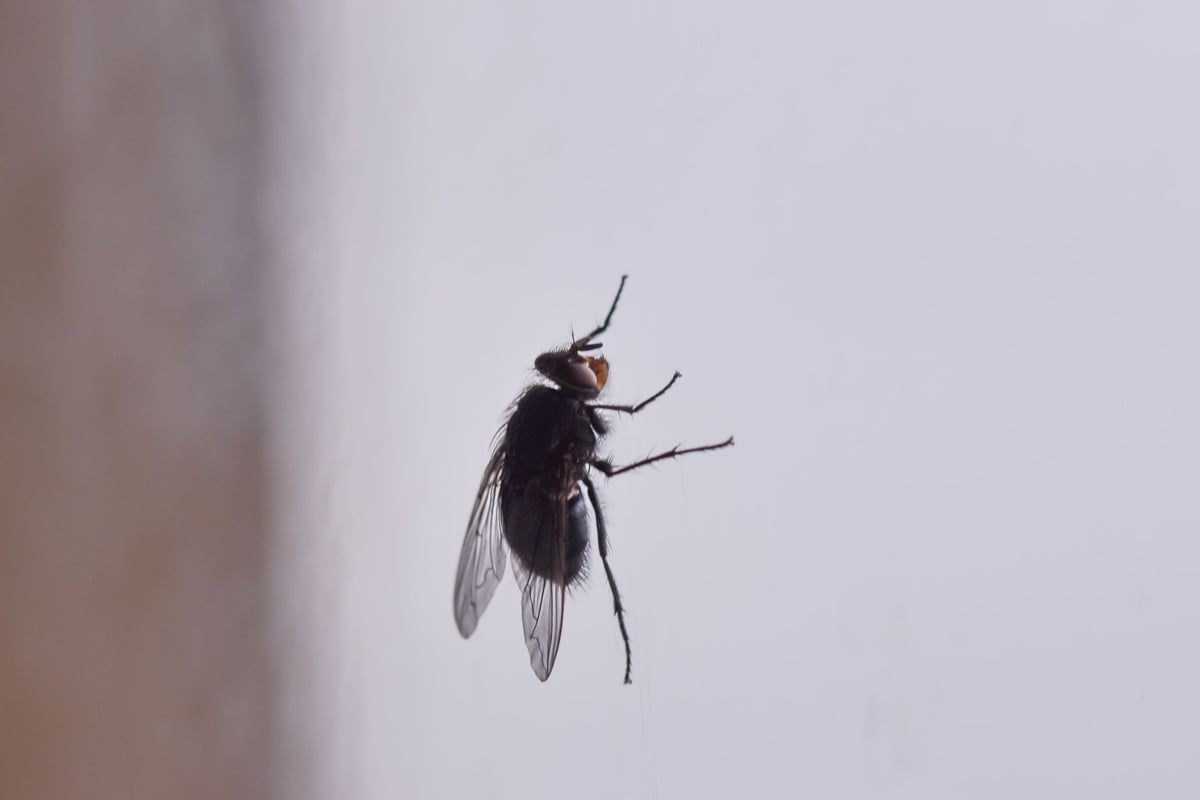
In late fall and again in early spring, you may notice sluggish, slow-moving flies congregating on sunny windows or in upper corners of rooms, particularly in attics, upper floors and south-facing rooms. They are larger and slower than house flies. In winter, warm days occasionally rouse them, and they buzz around windows trying to reach light and warmth. Finding a dozen flies in a room with no obvious source of food or garbage is a reliable sign.
How they get in
Cluster flies spend the summer outdoors, where their larvae develop as parasites inside earthworms. In fall they move toward warm structures to overwinter as adults. They enter through gaps in siding, around fascia boards, beneath roof edges, and through any crack they can find in the building envelope. Like lady beetles, they do not breed indoors. No maggots, no food source, no breeding cycle to worry about inside the house.
What to do
Seal gaps around fascia, soffits, and exterior trim in late summer, before the flies start moving in. For flies already inside, a vacuum is again the most practical tool. Because cluster flies are only trying to stay warm and are not reproducing indoors, the population will not grow over winter. The ones you have are the ones you will deal with until spring.
4. Spiders
Signs they are already inside
Webs in corners, in basement window wells, behind stored boxes and in garage ceiling joists are the most obvious signs. Some spider species increase in visibility in fall because males are actively moving around looking for mates, which puts them in places you would not normally see them. Finding spiders in your bathtub or on walls near exterior doors is common in September and October.
How they get in
Two common pathways that extension services flag consistently: firewood brought inside, and boxes or seasonal items carried in from a garage or outdoor storage area. Spiders also walk through gaps around doors, windows and utility penetrations. Many species that appear to have “moved in” were actually living in wall voids year-round and are simply becoming more active.
What to do
The vast majority of spiders found in U.S. homes pose no threat and are genuinely useful, feeding on other insects. Seal entry points and inspect firewood and stored boxes before bringing them inside. Shake out boxes and storage bags over an outdoor area first.
The two spider species of genuine medical concern in the United States are the brown recluse (Loxosceles reclusa) and the black widow (Latrodectus species), according to CDC guidance. Brown recluses are found mainly in the Midwestern and southern states and can hide in undisturbed areas like stored clothing and cardboard boxes. Black widows are found across the country, most commonly in the South and West, and prefer dark, low-traffic areas like wood piles and outdoor storage sheds. If you think a black widow or brown recluse has bitten you, or you have a bite with spreading redness, increasing pain or a wound that is not healing normally, see a doctor promptly and try to bring a photo or the spider itself for identification.
5. Cockroaches
Signs they are already inside
Cockroaches are mostly nocturnal and genuinely good at staying hidden, so by the time you see one in daylight, you likely already have more than a few. The earlier warning signs are small, dark droppings that look like coarsely ground black pepper near cabinet hinges, behind appliances, and under sinks. A musty or oily odor in a kitchen or bathroom that you cannot trace to a food source is another flag. German cockroaches, the most common indoor species in the U.S., favor kitchens and bathrooms almost exclusively because of the warmth and moisture.
How they get in
Cockroaches most often enter homes in grocery bags, secondhand appliances, delivery boxes and moving boxes rather than simply walking through cracks, though they will use any gap they can find. Warmth draws them toward heated structures in fall, and plumbing penetrations under sinks and behind dishwashers are common access points. Once inside, an unaddressed moisture problem (a slow leak under the sink, condensation around pipes) gives them everything they need to establish themselves.
What to do
Fix any leaking pipes or dripping faucets. Store food in sealed containers, including pet food. Take trash out regularly and do not leave dirty dishes overnight. Seal gaps around plumbing penetrations under sinks with caulk or steel wool.
University extension programs consistently recommend bait-based products over aerosol sprays for cockroach control. Sprays often scatter cockroaches deeper into wall voids without addressing the population, while baits allow cockroaches to carry the active ingredient back to harborage areas. For an infestation that keeps returning despite your efforts, a licensed pest management professional should be your next call rather than more spray.
6. Squirrels and Raccoons in the Attic
Signs they are already inside
Scratching, thumping or chattering sounds coming from the attic or walls, particularly in the early morning and around dusk, are the clearest signs. Raccoons tend to be louder and are often active at night. Squirrels are smaller and faster-moving, and you may hear them rolling around above a ceiling. Outside, look for chewed or damaged soffits, bent or torn attic vents, and debris around entry points. Inside the attic, animal droppings, nesting material (insulation torn into balls, shredded paper) and an ammonia odor confirm an active situation.
How they get in
Both squirrels and raccoons are strong enough to enlarge existing gaps. A small rot spot on a soffit board or a standard louvered attic vent with no hardware cloth backing is often enough of a starting point. Raccoons are particularly capable of pulling back flashing or lifting lightweight vent covers.
What to do
Do not attempt to trap either animal yourself without first checking your state laws. Wildlife management regulations vary significantly by state, and in some states moving a trapped animal is illegal or requires a permit. More importantly: if young are present in the attic (which is common with squirrels in late winter and raccoons in spring), sealing the opening with adults still inside will trap the young, create a larger problem, and may leave you with animals dying in your walls.
Call a licensed wildlife control operator. They can identify whether young are present, establish one-way exclusion devices that allow animals to leave but not return, and advise on when it is safe to seal the entry points permanently. After the animals are gone, seal every potential entry point with hardware cloth or metal flashing rather than wood or plastic, which both species will simply chew through again.
Seal the House: Steps That Apply to All Six
Most of the pests above are exploiting the same set of vulnerabilities. Fixing those vulnerabilities once protects you against all of them at the same time.
- Caulk gaps around windows, doors, and where utility pipes and cables enter the wall. Pay particular attention to the transition between different exterior materials, like where brick meets wood siding, or where a window frame meets stucco.
- Repair or replace torn door and window screens before fall arrives. A small hole in a screen is a usable gap for stink bugs, lady beetles and cluster flies.
- Install or replace door sweeps on exterior doors, including garage entry doors. Light showing under a door at night is a sign of a gap worth fixing.
- Screen attic vents and foundation vents with hardware cloth or fine galvanized mesh. Louvered vents alone are not sufficient to keep out insects or small wildlife.
- Stack firewood at least 20 feet from the house and store it off the ground. Bring in only what you plan to burn that day. Firewood that sits inside for weeks gives spiders, beetles and stink bugs a free ride in.
- Inspect boxes and holiday decorations before bringing them in from a garage or outdoor storage. Shake out bags, open boxes outside, and check for egg cases, webs or live insects before anything comes into the main living area.
A Note on Pesticides
Reaching for a spray as a first response rarely solves an interior pest problem and can make some situations worse by scattering insects into less accessible areas. If you choose to use any pesticide product indoors, read the entire label before opening the container. Labels are legally binding directions, not suggestions. Keep all products away from food preparation surfaces, children and pets. Store products in their original containers in a locked location.
For a cockroach problem that keeps returning, or for wildlife in the attic or walls, a licensed professional is the right call. Many university extension services publish tips on choosing a pest control company, and many also offer free identification help if you are not sure what you are dealing with.
Quick-Reference Checklist
- Stink bugs and lady beetles gathering on walls: caulk gaps, screen attic vents, vacuum (do not crush)
- Sluggish flies in sunny windows: seal fascia and soffits, vacuum, no breeding concern indoors
- Spiders in boxes or on firewood: inspect before bringing inside, seal entry points, see a doctor for bites with spreading redness or a non-healing wound
- Cockroach droppings or musty odor near kitchen or bath: fix leaks, seal food, use baits not sprays, call a pro if the problem persists
- Scratching at dawn or dusk in the attic: call a licensed wildlife operator before sealing anything
- All of the above: caulk gaps around windows and utilities, repair screens, install door sweeps, screen attic vents, store firewood away from the house, inspect storage boxes before bringing them indoors
The information in this article is for general informational purposes only. We are not doctors, medical professionals, lawyers or financial advisors, and nothing on this site is intended as medical, legal or financial advice. Always consult a qualified professional about your own circumstances before acting on any information here. We accept no liability for any loss or damage arising from the use of, or reliance on, the information in this article.
- 0shares
- Facebook0
- Twitter0
- Pinterest0