
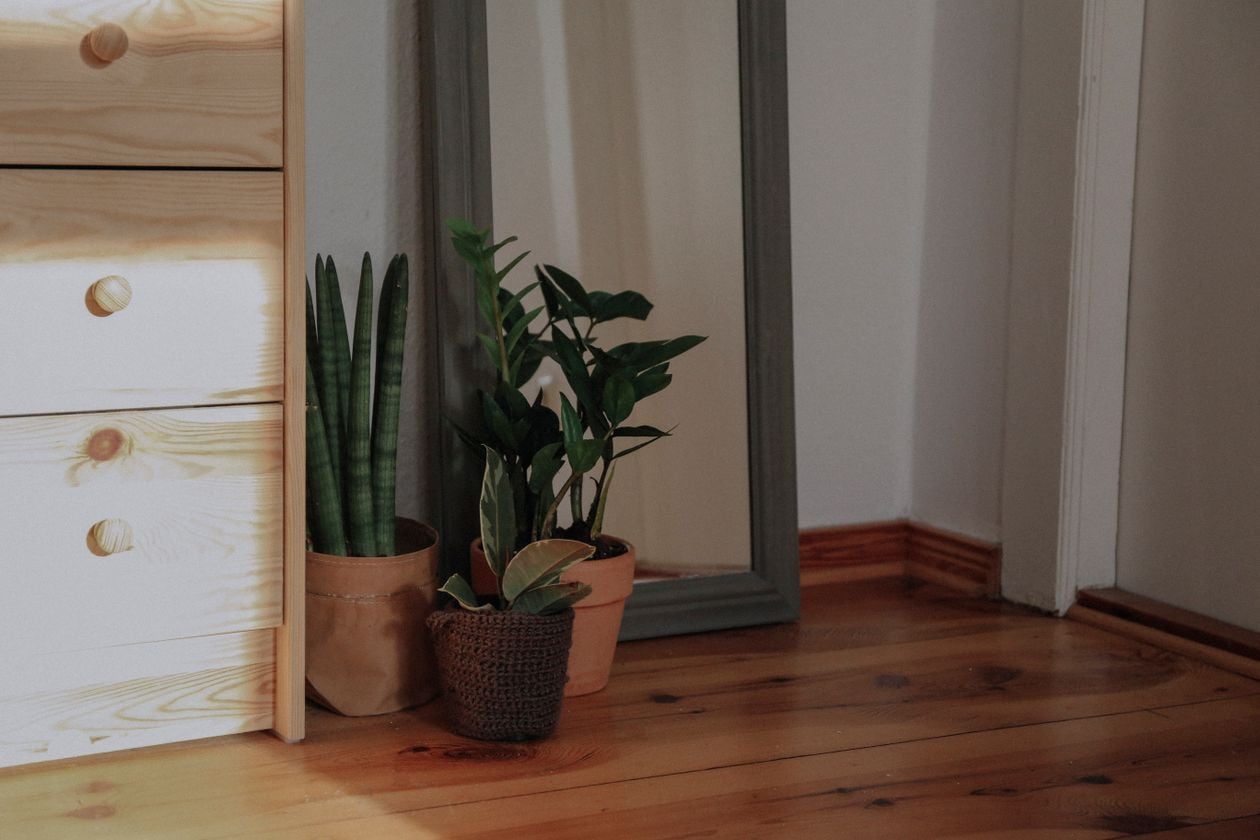
Before you buy another plant that dies within a month, it helps to know what “low light” actually means. A low-light spot is a room or area several feet from a window, or a room with a north-facing window, where you can comfortably read a book during the day without turning on a lamp. That is the threshold. No plant grows in a room with zero natural light. If your space is truly dark, a basic LED grow light placed a foot or two above the plant will do the job without any special setup.
The seven plants below are consistently recommended for low-light conditions by trusted horticultural sources including the University of Florida IFAS, Clemson Cooperative Extension, Missouri Botanical Garden, and the Royal Horticultural Society. Pet safety notes come from the ASPCA’s toxic and non-toxic plant database wherever the plant is listed there. One more thing worth saying upfront: no houseplant cleans your indoor air in any meaningful way. That claim traces back to an old NASA study done in small sealed chambers, with conditions nothing like a real home. Skip any product or article that promises otherwise.
Now, the plants.
1. ZZ Plant (Zamioculcas zamiifolia)
Light: Tolerates low light well. It prefers indirect light but handles dim rooms better than most plants you will find at a garden center.
Watering: This is where most people go wrong. The ZZ plant stores water in thick rhizomes underground, so it genuinely does not need frequent watering. Let the soil dry out completely between waterings. In a low-light room, that might mean watering once every two to three weeks, sometimes less in winter. Overwatering causes root rot, and root rot is the main way people kill this plant.
One tip: When in doubt, wait another week before watering. The ZZ plant is far more likely to die from too much water than too little.
Pet note: Keep this one away from pets. Like other plants in the Araceae family, ZZ plants contain calcium oxalate crystals. If chewed, they can cause oral irritation, drooling, and digestive upset in cats and dogs. The ASPCA database does not list the ZZ plant, but it is commonly described as toxic, so treat it that way.
2. Pothos (Epipremnum aureum)
Light: Pothos is one of the most forgiving plants you can own. It handles low light, though its variegated forms (the ones with white or yellow streaks) will show more green and less pattern in dimmer spots. That is normal. The plant is still healthy.
Watering: Let the top inch of soil dry out before you water again. Stick your finger into the soil. If it feels moist an inch down, leave it alone. In a low-light room, the soil dries slowly, so you may only water every ten to fourteen days.
One tip: Pothos vines can grow several feet long. If it starts looking leggy, trim it back. Those cuttings root easily in a glass of water, so you get new plants for free.
Pet note: Toxic to cats and dogs per the ASPCA. Ingestion causes oral irritation, vomiting, and difficulty swallowing. Keep it on a high shelf if you have curious pets.
3. Heartleaf Philodendron (Philodendron hederaceum)
Light: The heartleaf philodendron adapts to low light and keeps growing, though it will grow faster in brighter indirect light. Missouri Botanical Garden describes it as an easy-to-grow indoor plant, and that reputation is well earned.
Watering: Very similar to pothos. Let the top inch of soil dry before watering. It tolerates some neglect but does not like sitting in soggy soil. Yellowing lower leaves are usually a sign of overwatering, not underwatering.

One tip: Give it something to climb. A small moss pole or wooden stake encourages larger leaves and a tidier look. Without support, it trails and sprawls, which is also fine if that is what you want.
Pet note: Toxic to cats and dogs per the ASPCA, due to calcium oxalate crystals. Same symptoms as pothos: oral irritation, drooling, vomiting. Place it out of reach.
4. Cast-Iron Plant (Aspidistra elatior)
Light: The name is not an accident. The cast-iron plant tolerates dim light, temperature swings, dust, and irregular watering better than almost any other houseplant. Clemson Cooperative Extension calls it one tough plant, as its common name implies, and notes it can be grown indoors in low light. It grows slowly, but it does not die.
Watering: Water when the top inch or two of soil has dried out. It handles drought better than it handles overwatering. In a low-light room, you might water it every two to three weeks without any problem.
One tip: Do not put it in direct sun. That is one of the few things that will actually damage its leaves. Bright direct sunlight causes pale, bleached patches. Low to medium indirect light is exactly where it belongs.
Pet note: Non-toxic to cats and dogs per the ASPCA. A good choice if you have pets and want something you do not have to keep on a high shelf.
5. Parlor Palm (Chamaedorea elegans)
Light: The parlor palm has been grown indoors since the Victorian era specifically because it handles low light. It prefers bright indirect light but does well in dimmer spots. The Royal Horticultural Society rates it highly for indoor use and notes its tolerance for less-than-ideal light conditions.
Watering: This one needs more consistent moisture than the others on this list. Keep the soil evenly moist but never waterlogged. Let the top half-inch dry slightly between waterings, then water thoroughly. A pot with good drainage holes is not optional here. Soggy roots cause root rot quickly.
One tip: Parlor palms dislike being repotted frequently. Leave it in the same pot until roots start coming out of the drainage holes. They actually grow better when slightly root-bound.
Pet note: Non-toxic to cats and dogs per the ASPCA. One of the best options if you want a palm look without pet safety concerns.
6. Peace Lily (Spathiphyllum spp.)
Light: Peace lilies tolerate low light better than most flowering plants. One honest caveat: they flower much less in dim conditions. In low light, you will mostly get the dark green foliage rather than the white blooms. If you want flowers, place it closer to a window. If you just want an easy plant with good-looking leaves, a dimmer spot works fine.
Watering: The peace lily gives you a clear signal when it needs water. Its leaves droop noticeably, then perk back up within a few hours of watering. This is not harmful to the plant in the short term, but consistent wilting and recovery does stress it over time. Try to water before it droops completely. Check the soil every five to seven days and water when the top inch is dry.
One tip: Peace lilies are sensitive to fluoride in tap water. If the leaf tips turn brown, switch to distilled water or rainwater. Letting tap water sit out overnight removes chlorine, but not fluoride.
Pet note: Toxic to cats and dogs per the ASPCA. It contains calcium oxalate crystals and causes oral irritation, vomiting, and drooling if ingested. Keep it away from pets entirely.
7. Chinese Evergreen (Aglaonema)

Light: Chinese evergreens come in a wide range of varieties, from plain green to red and pink-tinged cultivars. The darker green varieties handle low light best. The colorful ones need more light to keep their color. University of Florida IFAS notes that Aglaonema adapts readily to the low light and low humidity found indoors.
Watering: Let the top inch or two of soil dry out before watering. Chinese evergreens are moderately drought tolerant and very sensitive to overwatering. In a low-light room, err on the side of less water, not more.
One tip: Keep it away from cold drafts and air conditioning vents. Chinese evergreens are tropical plants and dislike temperatures below about 60 degrees Fahrenheit. A cold draft from a window or vent can cause brown, mushy patches on the leaves that look like disease but are actually cold damage.
Pet note: Toxic to cats and dogs per the ASPCA. Contains calcium oxalate crystals. Symptoms of ingestion include oral irritation, drooling, and vomiting. Place it somewhere pets cannot reach.
The One Mistake That Kills Most Low-Light Plants
Overwatering. It is the single most common reason low-light houseplants die, and the reason is simple: in a dim room, soil dries out much more slowly than it does near a bright window. A watering schedule that works in a sunny kitchen will drown the same plant in a north-facing bedroom.
The fix is to always check the soil before you water. Push your finger an inch into the soil. If it feels damp, put the watering can down and check again in a few days. Most of the plants on this list prefer to dry out somewhat between waterings. The parlor palm is the exception, preferring more consistent moisture, but even it needs good drainage and a pot that does not sit in standing water.
Three other habits that help every plant on this list:
- Use pots with drainage holes. A decorative pot with no drainage holds water at the roots, and that causes rot. If you love the look of a pot without holes, drop your nursery pot inside it and empty the saucer after watering.
- Dust the leaves. A layer of dust on leaves blocks the light the plant is already getting very little of. Wipe leaves down with a damp cloth every few weeks. It takes two minutes and makes a real difference.
- Rotate the pot. Every few weeks, turn the pot a quarter turn so all sides get equal light exposure. Plants lean toward their light source, and rotating keeps them growing evenly.
Quick-Reference Checklist
- ZZ plant: Let soil dry completely. Toxic to pets. Do not overwater.
- Pothos: Top inch dry before watering. Toxic to pets. Trim when leggy.
- Heartleaf philodendron: Top inch dry before watering. Toxic to pets. Stake if you want larger leaves.
- Cast-iron plant: Water every two to three weeks. Non-toxic to pets. No direct sun.
- Parlor palm: Keep evenly moist, never soggy. Non-toxic to pets. Do not repot often.
- Peace lily: Water before it droops. Toxic to pets. Flowers less in low light.
- Chinese evergreen: Top inch to two inches dry before watering. Toxic to pets. Keep away from cold drafts.
- All plants: Check soil before every watering. Use pots with drainage holes. Dust leaves monthly. Rotate every few weeks.
- Pet owners: Cast-iron plant and parlor palm are the two non-toxic options on this list.
- Truly dark rooms: Add a basic LED grow light. No plant survives without some light source.
The information in this article is for general informational purposes only. We are not doctors, medical professionals, lawyers or financial advisors, and nothing on this site is intended as medical, legal or financial advice. Always consult a qualified professional about your own circumstances before acting on any information here. We accept no liability for any loss or damage arising from the use of, or reliance on, the information in this article.
- 0shares
- Facebook0
- Twitter0
- Pinterest0