
Your whole house does not need to be spotless before the first guest knocks. What matters is the handful of spaces people actually see, touch, and use during a holiday visit. The guest bathroom. The entryway. The fridge. Those are the spots that shape how comfortable someone feels in your home, and they are also the ones most likely to be overlooked in the chaos leading up to the holidays.
This list skips the full spring-clean fantasy and gets straight to the seven spots worth your time. You will not need anything fancy. Dish soap, white vinegar, baking soda, an all-purpose cleaner, and a few microfiber cloths will handle almost everything here.
One safety note before you start: never mix bleach with vinegar, ammonia, or any other cleaner. The combination produces harmful fumes. Always read the label on any cleaning or disinfecting product, follow the contact time it specifies, and keep the room ventilated while you work. Open a window or run a fan.
1. The Guest Bathroom
Why it matters: This is the room your guests will use privately, and they will notice everything in it. A sticky toilet seat, a water-stained faucet, or an empty toilet paper roll all send the wrong message. The bathroom is also a high-touch environment, so cleaning and then disinfecting surfaces here is worth doing properly.
What to do: Start with the toilet. Lift the seat and clean underneath it, the rim, and the base of the toilet where it meets the floor. That base area collects grime that is easy to forget. Scrub the bowl. Wipe the outside of the tank and the handle.
Move to the sink. Scrub the basin with an all-purpose cleaner or a small amount of dish soap, then rinse. Pay attention to the faucet handles, which get touched repeatedly with unwashed hands. Wipe the mirror with a damp microfiber cloth or a glass cleaner applied to the cloth rather than the mirror directly.
Set out a fresh hand towel. Put a spare roll of toilet paper somewhere visible, not buried under the cabinet. Add a plunger if you do not already have one in there. No guest wants to ask for one.
Time estimate: About 20 minutes.
2. The Entryway
Why it matters: The entryway is the first thing anyone sees when they walk in, and in winter it takes a beating. Wet boots, snow, mud, and outdoor grime all land here within the first thirty seconds of a visit.
What to do: Shake out the door mat outside or run a vacuum over it. Wipe the door handle on both sides with an all-purpose cleaner. Wipe the light switch plate, which is one of the most frequently touched surfaces in any home. If the entryway has a coat closet, make sure there are a few empty hangers. If there is no closet, clear a spot on a rack or designate a chair. Create somewhere obvious to put wet boots so they are not dripping on the floor.
A quick sweep or vacuum of the floor in this area takes only a couple of minutes and makes a big visual difference.
Time estimate: About 15 minutes.
3. The Guest Bed
Why it matters: Fresh bedding is one of those things guests notice immediately, even if they never say so. Sheets that smell like a storage closet or a spare blanket with a musty odor make for an uncomfortable night. If someone is staying over, their sleep matters.
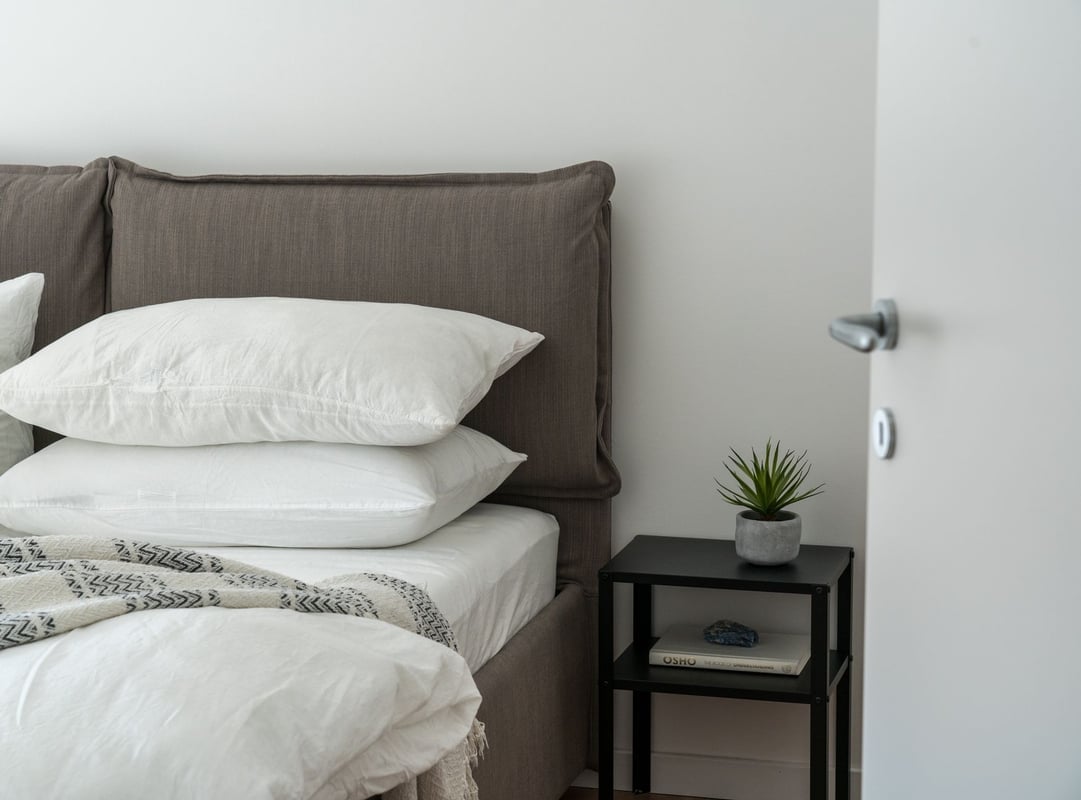
What to do: Wash the sheets and pillowcases. Follow the care label, but most standard cotton bedding does well on a warm or hot cycle. If the spare blankets have been folded in a closet for months, either run them through the dryer on an air-only or low-heat cycle or wash them if the label allows it. Even twenty minutes in a dryer can release that closed-in smell.
Clear at least one drawer or a section of the closet with a few open hangers. Guests who are staying more than one night need somewhere to put their things. A small empty surface on a dresser or nightstand matters too.
Time estimate: About 15 minutes of active work, plus laundry run time.
4. The Refrigerator
Why it matters: The holidays mean more food, more leftovers, and more people reaching into your fridge. A refrigerator packed with expired condiments and forgotten leftovers has no room for the dishes your guests bring or the food you need to store safely. The FDA recommends keeping your refrigerator at 40 degrees Fahrenheit or below to slow bacterial growth. If your fridge has been running warm or is so full that air cannot circulate, that temperature target gets harder to maintain.
What to do: Pull everything out and check dates. Toss anything expired or anything that has been in there long enough that you cannot remember when it arrived. Wipe each shelf with a clean cloth dampened with warm water and a small amount of dish soap, then rinse with a damp cloth. Pay attention to spills in the crisper drawers.
Place an appliance thermometer inside and confirm the fridge holds at or below 40 degrees F, since the dial setting alone does not tell you the actual temperature. Make sure there is clear space for what your guests will bring.
Time estimate: About 25 minutes.
5. Light Switches, Door Handles, Remote Controls, and Faucet Handles
Why it matters: These surfaces get touched dozens of times a day by multiple people. The CDC’s general cleaning guidance says to clean high-touch surfaces regularly and after you have visitors, and to disinfect as well when someone in the home is sick or at higher risk of getting sick. Most of these spots are overlooked in a regular cleaning routine because they are not visually dirty.
What to do: This one is about being systematic rather than fast. Go room by room and identify every high-touch surface: light switches and their plates, door handles and knobs, remote controls, faucet handles in the kitchen and bathrooms, and drawer pulls in shared areas.
Clean them first by wiping away any visible dirt or grease with a damp cloth. Then apply a disinfectant product according to its label. The label will specify how long the surface needs to stay wet to actually disinfect. Wiping it off immediately reduces the effectiveness. For remote controls, lightly dampen a cloth rather than spraying directly onto the device.
Time estimate: About 20 minutes for the whole house.
6. The Kitchen Sink and Drain
Why it matters: The kitchen sink sees constant use during holiday cooking and cleanup, and it shows. Food debris, water spots, and a slow-draining or odorous drain are noticeable to anyone who spends time helping in the kitchen. The sponge sitting next to the sink also deserves attention. A worn sponge that smells off should be replaced before guests arrive.
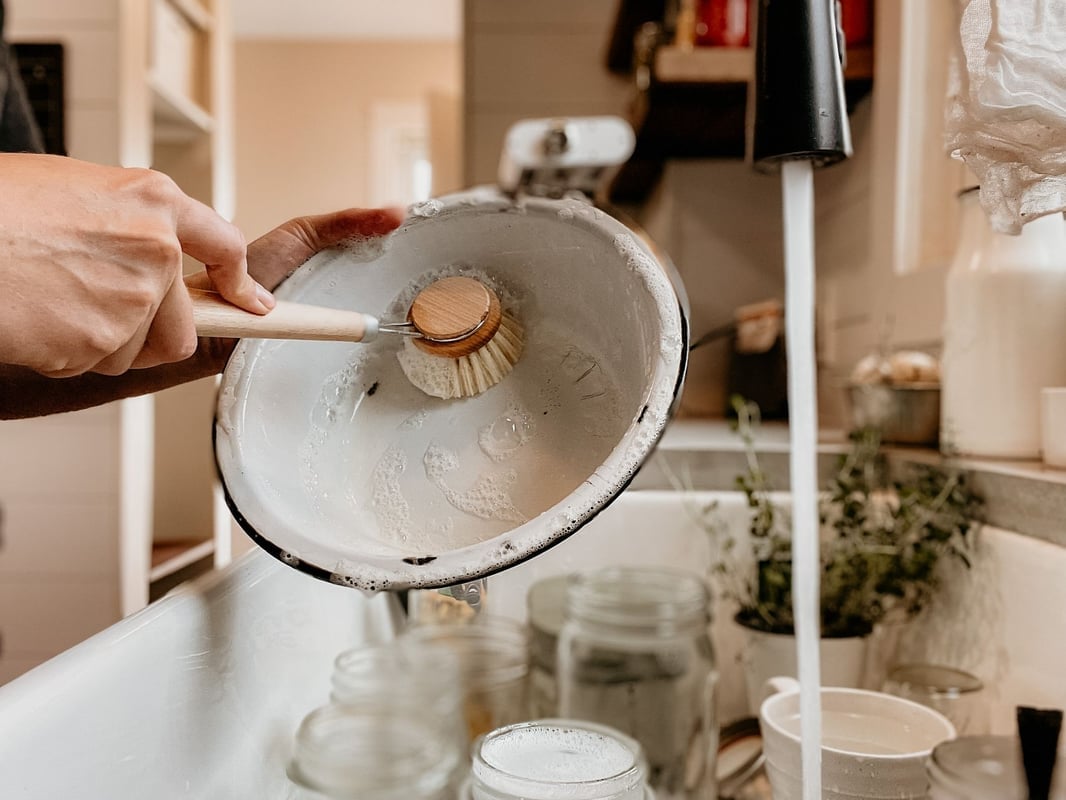
What to do: Scrub the basin with dish soap and a scrub brush or non-scratch pad. Rinse thoroughly. For a quick drain freshener, pour a half cup of baking soda down the drain, follow it with a half cup of white vinegar, let it fizz for a few minutes, then flush with hot water. This helps clear mild buildup and odor. It is not a substitute for a drain cleaning tool if you have a slow drain, but it works well as a maintenance step.
Replace the sponge if it is discolored or smells. If it is relatively new, you can sanitize it according to the manufacturer’s guidance, but when in doubt, a new sponge costs almost nothing and signals a clean kitchen.
Time estimate: About 15 minutes.
7. The Stove Top and Microwave
Why it matters: You are about to do a lot of cooking. Grease buildup on the stove top is both a visual problem and a fire hazard. The U.S. Fire Administration consistently identifies cooking as the leading cause of home fires, and a dirty stove with accumulated grease is a contributing factor. The microwave, meanwhile, gets heavy use during the holidays and can develop odors and stains that are hard to ignore.
What to do: For the stove top, remove the grates or burner covers if applicable and wash them in warm soapy water. Wipe down the surface with an all-purpose degreaser or a paste of baking soda and a small amount of dish soap. Let it sit for a few minutes on stubborn spots before wiping. Rinse and dry.
For the microwave, fill a microwave-safe bowl with water and add either a few slices of lemon or a couple of tablespoons of white vinegar. Microwave it on high for three to five minutes, then leave the door closed for another two minutes to let the steam loosen any buildup inside. Wipe down the interior with a damp cloth. The grease and splatter will come off with very little scrubbing.
Wipe down the microwave’s exterior, including the handle and keypad, as these are also high-touch surfaces.
Time estimate: About 25 minutes.
The Night Before They Arrive
Once you have worked through the list above, a few quick tasks the evening before will keep everything fresh.
- Take out the trash in every room, especially the kitchen and bathrooms.
- Empty the dishwasher so it is ready for the dishes that will pile up.
- Give the guest bathroom a quick wipe: faucet handles, the toilet seat, and the mirror. This takes about five minutes and keeps the work you already did looking clean.
These small steps are worth doing separately from the main cleaning day because they address the stuff that accumulates in the final 24 hours before guests arrive.
Quick-Reference Checklist
- Guest bathroom: Toilet (under seat, rim, base), sink, faucet handles, mirror, fresh hand towel, visible spare toilet paper, plunger in place.
- Entryway: Mat shaken or vacuumed, door handle wiped, light switch wiped, space cleared for coats and wet boots.
- Guest bed: Sheets and pillowcases washed, spare blankets aired or washed, drawer or hangers cleared.
- Refrigerator: Expired food tossed, shelves wiped, temperature at or below 40 degrees F, space made for holiday food.
- High-touch surfaces: Light switches, door handles, remote controls, faucet handles cleaned then disinfected per product label.
- Kitchen sink and drain: Basin scrubbed, drain freshened with baking soda and vinegar flush, sponge replaced or sanitized.
- Stove top and microwave: Stove degreased and grates washed, microwave steam-cleaned and wiped, exterior handles cleaned.
- Night before: Trash emptied, dishwasher emptied, bathroom wiped once more.
The information in this article is for general informational purposes only. We are not doctors, medical professionals, lawyers or financial advisors, and nothing on this site is intended as medical, legal or financial advice. Always consult a qualified professional about your own circumstances before acting on any information here. We accept no liability for any loss or damage arising from the use of, or reliance on, the information in this article.
- 0shares
- Facebook0
- Twitter0
- Pinterest0