
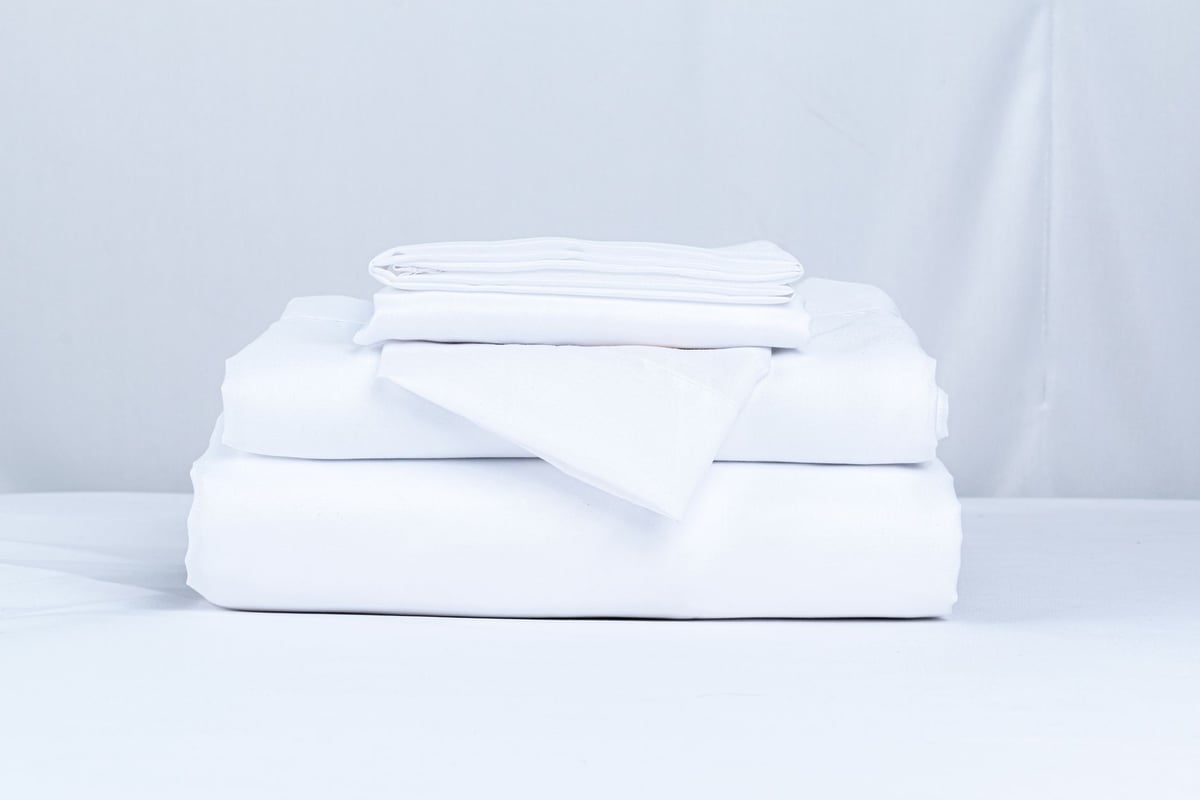
Most people have a rough idea that they should wash their sheets regularly, but “regularly” is doing a lot of heavy lifting in that sentence. Weekly? Monthly? Whenever you remember? The honest answer is that there is no single official standard everyone agrees on, but there are common expert recommendations that give you a solid starting point. This guide pulls those together so you can build a routine that actually fits your home.
Sheets and Pillowcases: Roughly Once a Week
The most widely repeated guidance from sleep experts and home cleaning professionals is to wash your sheets and pillowcases about once a week. While that may sound like a lot, consider what accumulates on them overnight: sweat, skin cells, body oils, hair product residue and, if your pet shares the bed, whatever they tracked in from outside.
That weekly target is a guideline, not a rule carved in stone. If you shower before bed every night and sleep in a cool room, you might stretch it a few extra days. On the other hand, some situations call for washing more often than once a week.
- You sweat heavily at night. Night sweats or simply sleeping in a warm room push moisture into your fabric far faster than average.
- You are sick. Wash your sheets as soon as you are well, or ideally partway through an illness, to cut down on recontamination.
- You let pets sleep on the bed. Pet dander, fur and outdoor dirt add up quickly. Washing more than once a week can help keep things manageable.
- You have acne or sensitive skin. Pillowcases in particular hold oils and bacteria that can irritate skin, so changing them every few days can help.
When you do wash, use the warmest water temperature the care label allows. Hotter water is more effective at removing oils and killing common bacteria, though it can wear out some fabrics faster. Always check the label before cranking the heat.
Bath Towels: After About Three or Four Uses
Bath towels get a pass longer than you might think, as long as you are drying off a clean body and hanging them properly afterward. Most general guidance suggests washing bath towels after about three to four uses. The catch is that “hanging them properly” part.
A towel that is bunched on a hook or folded over a bar will stay damp for hours. Damp fabric is exactly the environment where mildew and bacteria thrive. If your towel smells musty before you have even used it three times, that is the damp environment doing its work, not necessarily a dirty towel in the traditional sense.
To get the most out of that three-to-four-use window, hang your towel flat on a bar where air can reach both sides. If your bathroom is poorly ventilated or stays humid, you may need to wash towels more frequently or dry them outside the bathroom between uses.
One more thing: towels that feel stiff or scratchy after washing are usually a sign of detergent buildup or overloading the washer. Run them through a wash cycle with no detergent, or use less detergent than you think you need, and make sure the dryer has enough room for the towels to tumble freely.
Hand Towels and Dish Towels: Every Day or Two
Hand towels in the bathroom and dish towels in the kitchen need far more frequent washing than bath towels. These are touched multiple times a day, often by hands that are only partially clean, and they tend to stay damp in between uses.
A good benchmark is every one to two days for hand towels and dish towels. If you are cooking with raw meat or someone in the household is sick, swap in a fresh one the same day. Kitchen dish towels in particular can carry food residue and moisture that makes them a magnet for bacterial growth.
Keep a small stack of extras so you are not rationing them. The more you have on hand, the easier it is to swap one out without thinking twice.
Bed Pillows: Two to Four Times a Year
Your actual bed pillows, the ones inside the pillowcase, need washing too, though far less often than your linens. Most care guidance suggests washing bed pillows two to four times a year, provided the care label says they are machine washable.
Many pillows, including most down and synthetic fill pillows, can go in a standard washing machine. Down and synthetic pillows generally do well on a gentle cycle with warm water. Memory foam pillows usually cannot go in the washer and may need spot cleaning instead. Always read the label before tossing a pillow in.
When you dry pillows, make sure they are completely dry before putting them back on the bed. This often takes two full dryer cycles, and tossing in a couple of dryer balls can help break up clumping in down or synthetic fills. A pillow that feels dry on the outside but is still damp inside will develop mildew, and that musty smell is very hard to get rid of.
Speaking of replacement: even a well-cared-for pillow reaches the end of its useful life. A common guideline is to replace pillows every one to two years, or sooner if they no longer spring back when you fold them in half. A flat pillow is not supporting your neck the way it should, and no amount of washing will restore lost loft.
Mattress Protector: Every Month or Two
If you use a mattress protector, and it is a good idea to have one, it needs regular washing as well. Because it sits directly between you and the mattress, it absorbs sweat and body oils that would otherwise work their way into the mattress itself.
Washing it every one to two months is a reasonable target for most households. If you sleep hot, have allergies or share your bed with a pet, monthly is a better cadence. Check the care label, as some protectors have heat restrictions that can shrink or damage the waterproof backing.
Duvets and Comforters: A Few Times a Year
Your duvet cover should be washed with your sheets, since it is essentially a large pillowcase for your comforter. The comforter inside is a different story. Washing a comforter a few times a year is common advice, and keeping the duvet cover clean helps it stay fresh between washes.
Large comforters can be tricky to wash at home if your machine is not big enough. Forcing a large item into a small drum means it will not agitate properly and may not rinse fully. If your comforter is too bulky for your home machine, a commercial-sized washer at a laundromat is a practical option. Dry it thoroughly, again checking for dampness in the center before you put it away.
A Note for People With Allergies
If you or someone in your household has allergies, particularly to dust mites, washing bedding more frequently in hot water can make a real difference in symptoms. Hot water is more effective at reducing dust mite allergens than cool water. The specific temperatures and frequencies that make sense for you depend on the severity of your allergies, so follow the guidance of your doctor or allergist rather than a general guideline from a cleaning article.
Allergy-proof pillow covers and mattress encasements can also help reduce exposure between washes. Wash those encasements on the same schedule as your mattress protector.
Washing Tips That Apply to Everything
A few general rules apply no matter what you are washing.
- Read the care label first. It tells you the maximum water temperature the fabric can handle, whether it can go in the dryer and what settings to avoid.
- Do not overload the washer. Items need room to move through the water to get clean. An overloaded drum also stresses the machine over time.
- Use the warmest water the fabric allows. This is especially important for items that come into direct contact with skin.
- Dry completely before storing or putting back on the bed. Damp fabric left in a drawer or on a bed will turn musty within a day or two. When in doubt, run the dryer for an extra cycle.
- Use the right amount of detergent. More is not better. Excess detergent leaves residue in the fabric that can attract dirt and cause skin irritation.
Quick-Reference Checklist
Use this table as a reminder the next time you are loading the washer and wondering whether something needs to go in.
| Item | How Often to Wash |
|---|---|
| Sheets and pillowcases | About once a week (more often if you sweat heavily, are sick or have pets on the bed) |
| Bath towels | After every 3 to 4 uses; hang fully open to dry between uses |
| Hand towels and dish towels | Every 1 to 2 days; daily if someone is sick or after handling raw meat |
| Duvet cover | With your sheets, about weekly |
| Comforter or duvet insert | 2 to 3 times a year |
| Bed pillows | 2 to 4 times a year if the care label allows; replace every 1 to 2 years |
| Mattress protector | Every 1 to 2 months |
Print this out, snap a photo of it or bookmark this page, and you will never have to guess again. The next step is as simple as checking the care labels on the items in your linen closet so you know exactly what water temperature and drying settings to use when laundry day rolls around.
The information in this article is for general informational purposes only. We are not doctors, medical professionals, lawyers or financial advisors, and nothing on this site is intended as medical, legal or financial advice. Always consult a qualified professional about your own circumstances before acting on any information here. We accept no liability for any loss or damage arising from the use of, or reliance on, the information in this article.
- 0shares
- Facebook0
- Twitter0
- Pinterest0