

You open the pantry to grab a bag of flour or a box of cereal, and something small flutters out. Then you look closer and see tiny webbing clumped in the corner of the bag. That is a pantry moth infestation, and it is a common household problem. You can clear it out without calling an exterminator or spraying chemicals near your food.
This guide walks you through every step you need to take, based on guidance from university extension services including the University of Minnesota Extension and NC State Extension.
Know What You Are Dealing With
The most common pantry moth is the Indian meal moth. The adults are small moths with a distinctive two-toned wing pattern: pale or grayish near the body, then coppery or reddish brown toward the tips. If you have seen a small moth fluttering around your kitchen at night or landing on your walls, that is likely the culprit.
The adult moth does not eat your food. The damage is done by the larvae, which are small whitish caterpillars with a dark head. They burrow into dry goods, feed from the inside, and leave behind silky webbing and sticky clumps that mat the food together. By the time you spot adults flying around, larvae have already been feeding in your pantry.
Indian meal moths will infest a wide range of foods. Common targets include flour, cornmeal, oats, cereal, rice, pasta, crackers, dried fruit, nuts, chocolate, spices, birdseed, and dry pet food. They are not picky.
In most cases, the infestation arrived in a package you brought home from the store. Eggs or tiny larvae can be present in commercially packaged food, and once that package sits in your pantry for a while, the population grows. It is not a reflection of how clean your home is.
Step-by-Step: How To Get Rid Of Pantry Moths
Step 1: Find Every Infested Package
Start by pulling everything off your pantry shelves. Everything. Work through each package one at a time and look for the signs: silky webbing, small clumps or mats in the food, tiny larvae crawling on or inside the packaging, or small holes chewed through thin plastic or cardboard.
Check the inside of lids, the seams of bags, and the corners of boxes. Larvae can find their way into packaging that looks sealed. Any package showing signs of infestation goes directly into a sealed plastic bag and out to an outdoor trash can. Do not leave it in a kitchen bin where moths can continue their life cycle.
Check everything, including packages you have not opened yet. If a contaminated item was sitting next to a sealed package for weeks, there is a real chance eggs or larvae have worked their way in.
Step 2: Empty the Shelves Completely
Once you have sorted through the food, remove everything that is left so the shelves are completely bare. Indian meal moth larvae and pupae can hide in shelf-pin holes, cracks along the shelf edges, corners of the cabinet, and even under shelf lining paper. You need clear access to all of those spots.
Remove any shelf liner paper and discard it. It can harbor eggs you will not see.
Step 3: Vacuum the Shelves, Cracks, and Corners

Use a vacuum with a crevice attachment to go over every surface inside the cabinet: the shelf boards, the walls of the cabinet, the corners, the shelf-pin holes, and any gaps along the back panel. Pay close attention to corners and crevices where larvae might be pupating.
When you are done, take the vacuum outside to empty it, or remove the bag outdoors. If you empty it into a kitchen trash can, any live larvae or pupae go right back into your home.
Step 4: Wipe Shelves With Soap and Water
After vacuuming, wipe down every surface inside the cabinet with warm soapy water. This removes any residue, food particles, and debris that could support a continuing infestation. Let the shelves dry completely before you put anything back.
Extension services are consistent on one point here: insecticide sprays are not needed inside food cabinets and should not be applied to surfaces that come into contact with food. Household sprays also cannot reach insects inside food packages. Skip the bug sprays. Soap and water is what you need, and it works.
Step 5: Decide What To Do With Suspect Food
If you find a package that you are not sure about, meaning it shows no obvious signs of infestation but was stored near something that was clearly infested, you have two options. You can throw it out, which is the most straightforward choice. Or you can freeze it.
University extension guidance says that freezing dry goods at 0 degrees Fahrenheit for several days to a week will kill all life stages of the Indian meal moth, including eggs, larvae, and pupae. This works for items like flour, nuts, dried fruit, or whole grains that you do not want to waste. Put the item in a sealed freezer bag first, freeze it for the recommended time, then let it return to room temperature before opening it to prevent moisture from getting in.
If you are in any doubt about whether a food item is safe to eat, throw it out. The savings are not worth the risk.
Step 6: Store Everything in Airtight Containers
This is the most important prevention step you can take. Move all your dry goods into airtight containers made of glass, metal, or heavy rigid plastic with tight-fitting lids. Standard cardboard boxes and thin plastic bags offer little protection from Indian meal moth larvae, which can chew through or squeeze into packaging gaps.
Good container options include glass canning jars, metal tins with locking lids, and thick-walled plastic canisters with gasket seals. Flimsy snap-lid plastic containers are not reliable. If a lid does not create a firm seal, the container is not going to stop a moth.
Label containers with the date you opened or stored the food, so you can keep track of what needs to be used first.
Step 7: Buy Smaller Quantities and Rotate Your Stock
Large bulk purchases of flour, rice, oats, and similar items may seem economical, but they can sit in your pantry long enough for a small contamination to become a large infestation. Buy in amounts you can use within two to four months.
Use the older food first. When you bring home a new bag of flour, finish the old flour first rather than pouring the new bag on top of it. This “first in, first out” approach reduces the chance of food sitting long enough for a problem to develop.
Step 8: Check Pet Food and Birdseed Storage
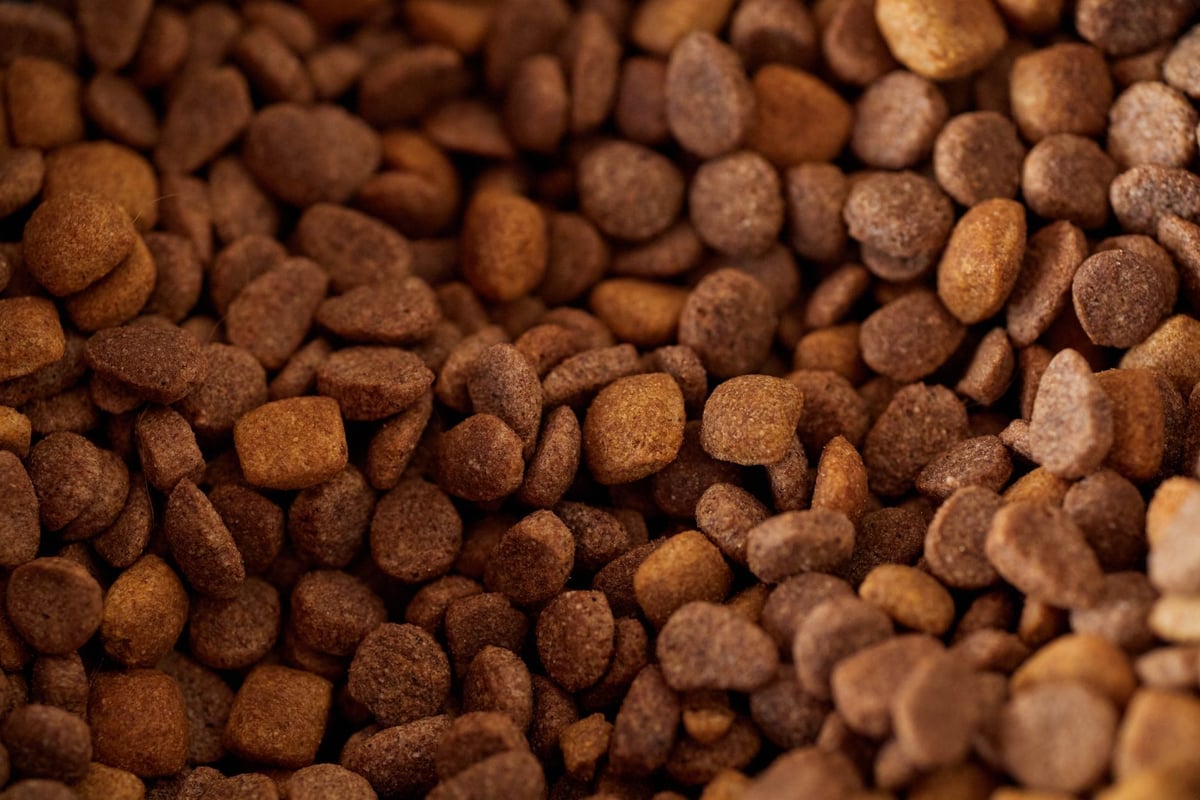
Dry pet food and birdseed are common sources of Indian meal moth infestations, and they are often overlooked during a cleanup. If you store a large bag of dog food or cat food in a closet, pantry, or utility room, check it carefully.
Store pet food and birdseed in the same type of airtight containers you are using for your own food. A sealed metal or heavy plastic bin with a locking lid is the right choice for large quantities of pet food.
Step 9: Use Pheromone Traps to Monitor the Situation
Pheromone traps are small sticky cards or tent-style traps baited with a synthetic version of the female moth’s mating scent. They attract and catch adult male moths. You can find them at hardware stores, garden centers, and online retailers.
These traps are a monitoring tool, not a cure. They will not end an infestation on their own because they do not target larvae, eggs, or females. What they will do is tell you whether adult moths are still active in your kitchen after you have cleaned everything out. Place one or two in or near your pantry after completing your cleanup and check them every few days.
If you are still seeing moths in the traps several weeks after your cleanup, it means there is likely a food source you missed. Go back through your pantry and check again, including any items stored in adjacent rooms.
How Long Does It Take To Get Rid Of Pantry Moths?
Do not expect the problem to disappear in a few days. The Indian meal moth has a multi-stage life cycle, and adults can keep emerging from pupae hidden in cracks or on cabinet walls after you have cleared out the food. The University of Minnesota Extension says it is not unusual to see moths flying for up to three weeks after the infested food is gone. Plan to check your pheromone traps and inspect your pantry regularly for several weeks before you can be confident the infestation is gone.
Seeing the occasional adult moth during this period does not mean your cleanup failed. It means the life cycle is still finishing out. Keep the traps in place and keep checking.
Quick-Reference Checklist
- Remove and inspect every package. Look for webbing, clumps, larvae, and holes. Throw out anything infested in a sealed bag in an outdoor trash can.
- Check unopened packages too, especially those stored near infested items.
- Vacuum every shelf, corner, crack, and shelf-pin hole. Empty the vacuum outdoors.
- Wipe shelves with soap and water. Let them dry fully before restocking.
- Do not use insecticide sprays inside food cabinets or on food surfaces.
- Freeze suspect food at 0 degrees Fahrenheit for several days to a week to kill all life stages, or throw it out if you are unsure.
- Transfer all dry goods to airtight glass, metal, or heavy plastic containers with tight lids.
- Buy smaller quantities and use older food before new.
- Check pet food and birdseed and store them in sealed containers.
- Place pheromone traps to monitor for adult moths after cleanup. Keep checking for several weeks.
Once your shelves are clean and your dry goods are in proper containers, any moths that arrive in a new package have far less to feed on and are much easier to catch early. Move new purchases into sealed containers right away.
The information in this article is for general informational purposes only. We are not doctors, medical professionals, lawyers or financial advisors, and nothing on this site is intended as medical, legal or financial advice. Always consult a qualified professional about your own circumstances before acting on any information here. We accept no liability for any loss or damage arising from the use of, or reliance on, the information in this article.
- 0shares
- Facebook0
- Twitter0
- Pinterest0