
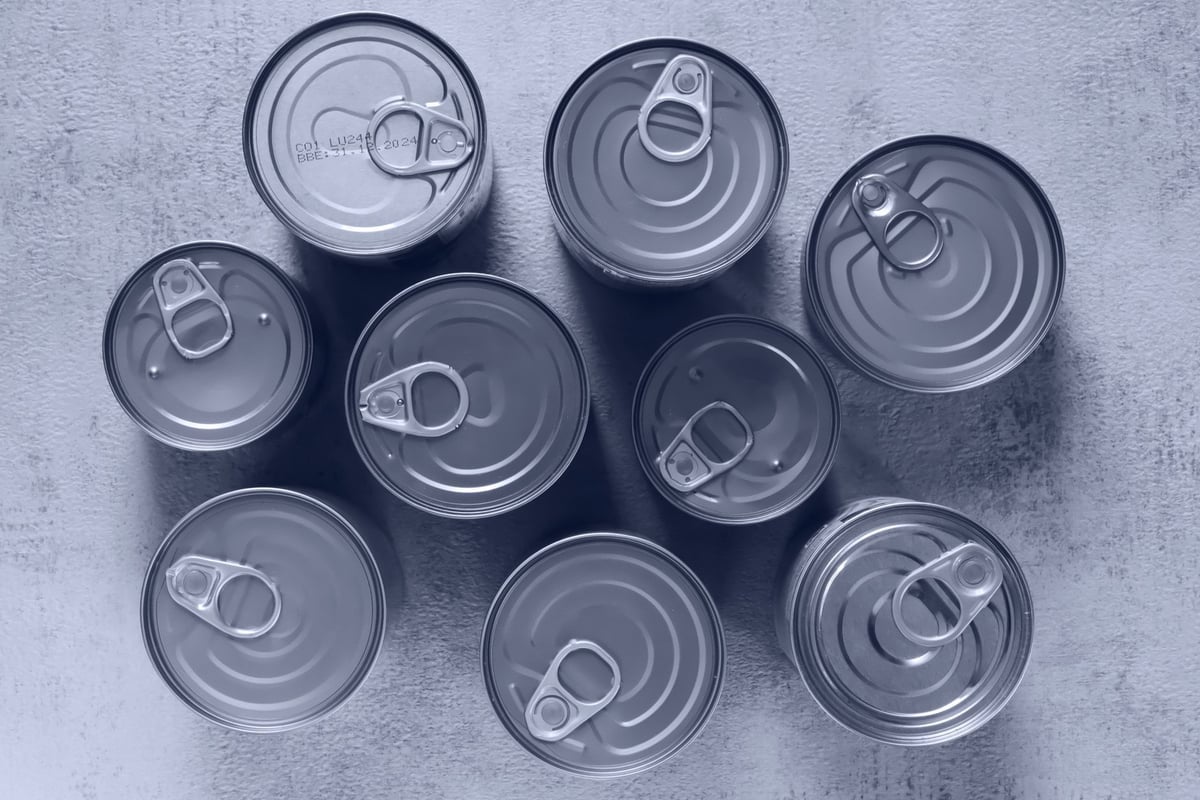
You pull a can of soup from the back of the pantry, squint at the bottom, and wonder whether that date stamped on it means you’re about to poison yourself or whether it’s perfectly fine to open. Most people have been in that exact spot.
The confusion is understandable. There are several different types of date labels on food packaging, they look similar, and they mean very different things. What makes it worse is that federal law, with one important exception, does not actually require food manufacturers to put any date on their products at all. When dates do appear, they almost always refer to quality, not safety. That is a distinction worth understanding before you toss another half-full container of yogurt.
Here is a plain-language breakdown of each label type, what federal food safety guidance says about food past its date, and how to store food properly so you can trust what is in your fridge and pantry.
Federal Law Does Not Require Most Date Labels
This surprises a lot of people. According to the USDA Food Safety and Inspection Service (FSIS), no federal law requires product dating on most foods. The one exception is infant formula, which must carry a use-by date under federal regulation.
Everything else, including meat, dairy, canned goods, and packaged snacks, falls under a patchwork of voluntary manufacturer practices and, in some cases, state rules. Some states have their own dating requirements for specific products like milk, so you may see dates on certain items simply because a state law requires it, not a federal one.
When manufacturers do include dates, they are typically signaling something about peak quality, not about whether a food will make you sick. That is a critical distinction, and it is why FSIS recommends, and the FDA supports, the standard phrase “Best if Used By” so shoppers can tell a quality date from a safety date.
Best If Used By: About Flavor, Not Safety
The label “Best if Used By” (sometimes printed as “Best By”) is the one you will see most often on shelf-stable pantry items. Per FSIS guidance, this date tells you when the product will be at its best flavor or quality. After that date, the food may taste a little different or lose some texture, but it is not automatically unsafe to eat.
Think of it like a peak-performance window. A bag of chips eaten two weeks past the best-by date might be a bit stale. It is not going to send you to the hospital. A jar of salsa past its best-by date might taste a little flat. That does not mean you need to throw it away.
The USDA recommends “Best if Used By” as the preferred language for voluntary date labeling because it is the clearest signal to consumers that quality, not safety, is what the date reflects. If you see this label, the food should still be safe after the date as long as it has been stored properly and shows no signs of spoilage. Looking and smelling fine is not proof of safety on its own, though, as explained below.
Sell By: That Date Is for the Store, Not for You
The “Sell By” date is widely misread as an expiration date. It is not. According to FSIS, this date tells the store how long to display a product for inventory management purposes. It is a stocking and rotation tool for retailers, not a safety signal for consumers.
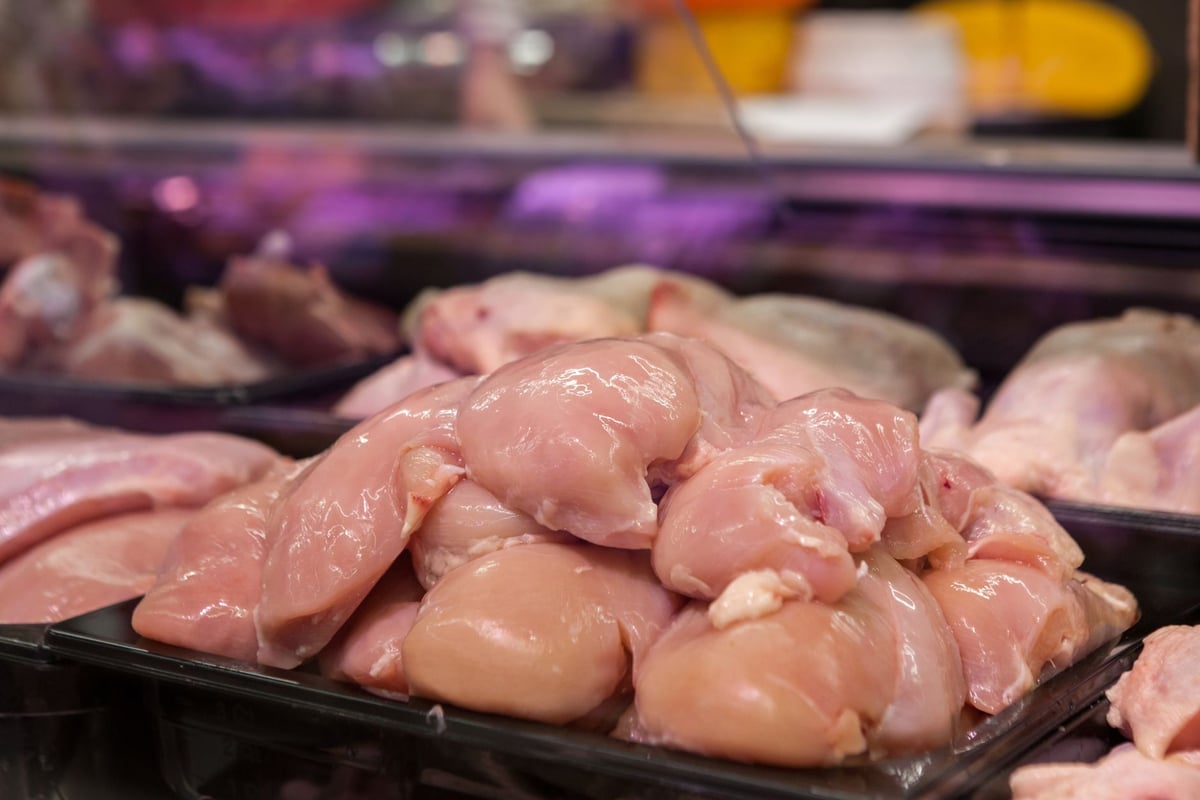
Food absolutely can be eaten after its sell-by date, provided it has been handled and stored properly. When you buy a package of chicken breast and see a sell-by date two days out, that does not mean the chicken turns bad at midnight on that date. It means the store should sell it by then. You can store it properly at home and use it within the recommended window.
FSIS notes that confusion about date labels leads people to throw away wholesome food. People see the date pass and throw the product out, even when it is still safe. Keep the sell-by date in mind as a shopping guide, not a strict deadline for your own consumption.
Use By: The Last Date for Peak Quality, With One Big Exception
The “Use By” date is the last date the manufacturer recommends for the product to be at peak quality. For most products, this is still a quality label, not a safety cutoff. FSIS says that, except for infant formula, a product should still be safe after its date if it has been handled properly, until signs of spoilage appear.
There is, however, one very important exception. For infant formula, the use-by date is a hard line. Federal regulations require a use-by date on infant formula, and FSIS is clear: do not buy or use formula after that date. Using it by the date ensures it contains the amount of each nutrient listed on the label and still flows properly through a bottle nipple. This is the one category where you should follow the date strictly, every time, no exceptions.
For everything else, “Use By” is best treated as a quality benchmark. Use it as a guide, factor in how the food has been stored, and check for signs of spoilage before deciding.
Freeze By: Act Now to Preserve Quality
The “Freeze By” date is less common but straightforward. It tells you the date by which you should freeze the product to maintain its best quality. It is not saying the food is unsafe after that date, just that freezing it sooner will give you better results in terms of texture and flavor when you eventually use it.
If you bought a package of ground beef and forgot it in the fridge, checking for a freeze-by date can remind you to get it into the freezer before quality declines further. It is a helpful prompt to take action, nothing more dramatic than that.
What to Do With Food Past Its Date
The practical question most people have is simple: should I eat this or not? The USDA and FoodSafety.gov provide clear guidance on this.
Food past its date can be safe if it was handled and stored properly throughout its life. The date alone does not determine safety. Storage conditions, temperature control, and packaging integrity all play a role.
Spoiled food that shows signs of trouble, including off odors, strange flavors, odd textures, or visible mold, should be thrown out regardless of what the date label says. If it smells or looks wrong, trust that signal. The reverse is not true, though: do not rely only on your senses to decide that food is safe.
FSIS explains that the bacteria that cause foodborne illness, such as Salmonella and E. coli, do not generally affect the taste, smell, or appearance of food. A piece of chicken can look perfectly normal, smell fine, and still carry bacteria that can make you seriously ill. This is why following proper storage times matters more than sniffing the package.
USDA Storage Times You Should Actually Know
The FSIS publishes detailed storage guidelines. Here are some of the most useful benchmarks to keep in mind:
- Raw eggs in the shell: 3 to 5 weeks in the refrigerator, according to the FSIS storage chart.
- High-acid canned foods (tomatoes, citrus fruits, pickles): best quality within 12 to 18 months in the pantry.
- Low-acid canned foods (meat, poultry, soups other than tomato, and vegetables such as corn, carrots, beans, and peas): best quality within 2 to 5 years in the pantry.
- Frozen food: Freezing at 0 degrees Fahrenheit keeps food safe indefinitely. Quality will decline over time, but safety is not the concern at that temperature.
On canned goods specifically: the date on the can matters less than the condition of the can. FSIS says to discard any can that is bulging, leaking, heavily rusted, or deeply dented. Those are the warning signs that indicate a potential problem, not an old date stamped on the bottom.
Keep Your Fridge and Freezer at the Right Temperature
None of the storage guidelines above matter much if your refrigerator is running too warm. The FDA recommends keeping your refrigerator at 40 degrees Fahrenheit or below. FSIS explains that bacteria grow most rapidly between 40 and 140 degrees Fahrenheit, a range it calls the Danger Zone.
Your freezer should stay at 0 degrees Fahrenheit. FSIS says freezing to 0 degrees inactivates bacteria, yeasts, and molds, although they can become active again once the food thaws. That is why frozen food, as noted above, stays safe indefinitely from a food safety perspective, even if the texture or taste degrades after a certain point.
Use an appliance thermometer in both your fridge and freezer. They are inexpensive and they take the guesswork out of temperature management. Do not assume your appliance dial is accurate.
Use the Free USDA FoodKeeper App
If you want a quick, reliable reference for storage times on specific products, the USDA offers a free app called FoodKeeper. It covers hundreds of foods and gives you storage time recommendations for the refrigerator, freezer, and pantry. You can search by product name and get clear guidance in seconds.
It is available for both Android and iOS. If you find yourself frequently wondering how long something has been safe in the fridge, this app is worth having on your phone.
A Quick Label Cheat Sheet
Here is a fast reference you can keep in mind the next time you are standing in front of the pantry or fridge:
- Best If Used By / Best By: Peak flavor and quality by this date. Safe to consume after, if stored properly and showing no signs of spoilage.
- Sell By: A stocking guide for retailers. Not a safety date. Food is often fine after this date.
- Use By: Last recommended date for peak quality. Not a safety date for most products. Exception: infant formula. Never use formula after its use-by date.
- Freeze By: Freeze the product by this date for best quality results.
- No date required by federal law on most products. Some states have their own rules for specific items like milk.
- Refrigerator temperature: 40 degrees Fahrenheit or below.
- Freezer temperature: 0 degrees Fahrenheit. Food stays safe indefinitely at this temperature.
- Discard canned goods that are bulging, leaking, heavily rusted, or deeply dented, regardless of the date.
- Download the USDA FoodKeeper app for specific storage times on hundreds of products.
When in doubt, check the FoodKeeper app, verify your fridge temperature, and look at the food itself. The date stamp is just one piece of the picture.
The information in this article is for general informational purposes only. We are not doctors, medical professionals, lawyers or financial advisors, and nothing on this site is intended as medical, legal or financial advice. Always consult a qualified professional about your own circumstances before acting on any information here. We accept no liability for any loss or damage arising from the use of, or reliance on, the information in this article.
- 0shares
- Facebook0
- Twitter0
- Pinterest0