
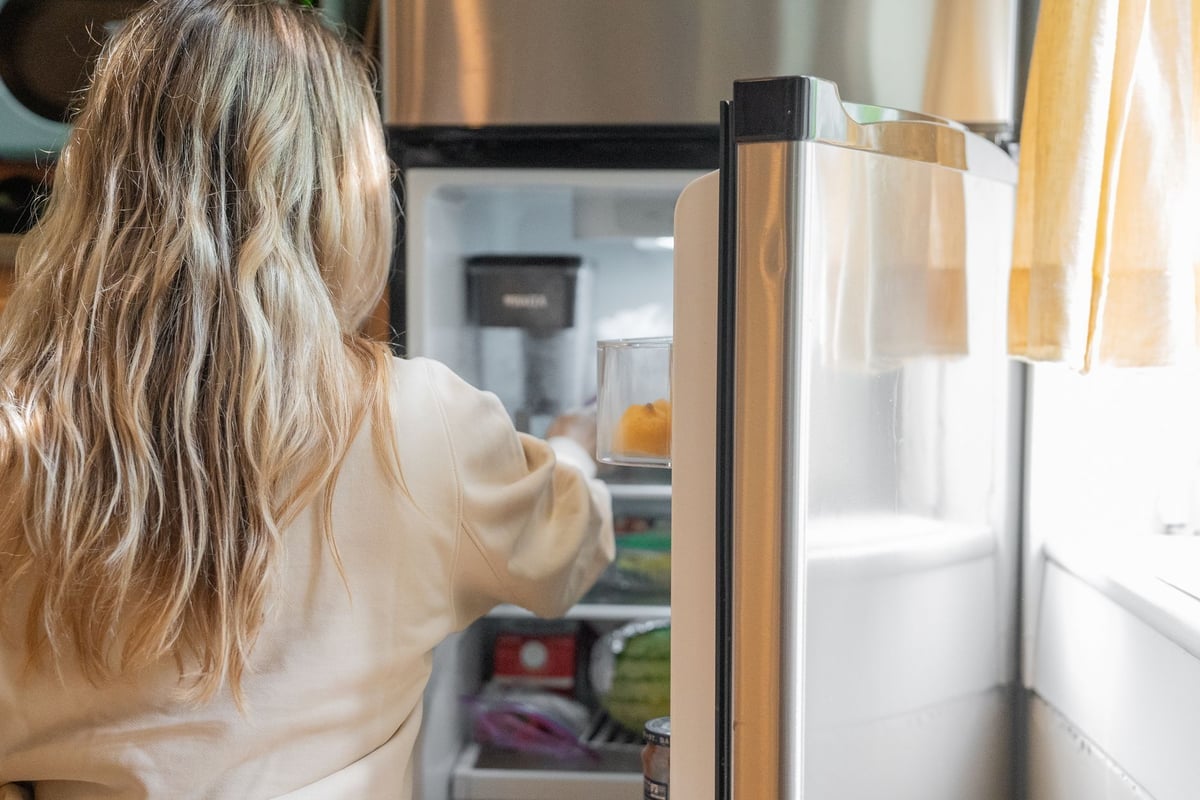
The feast is over, the table is cleared, and your refrigerator is packed with foil-wrapped dishes stacked to the ceiling. The question most people skip is a simple one: how long does any of this actually last? Not in a vague “a few days” sense, but dish by dish, based on real food safety guidance from the USDA Food Safety and Inspection Service (FSIS) and FoodSafety.gov.
The answers matter more than most people realize. Gravy keeps for less time than turkey, egg-based pies cannot sit out the way fruit pies can, and eating something a day too late can mean a very unpleasant weekend. This guide breaks it down by dish so you know exactly what to eat first, what to freeze, and what to toss without guilt.
The Two Rules That Apply to Everything
Before getting into individual dishes, two ground rules from USDA FSIS apply across the board.
First, refrigerate leftovers within two hours of cooking. If the room temperature or outdoor temperature is above 90 degrees F, that window drops to one hour. Bacteria multiply fast in the range between 40 degrees F and 140 degrees F, what food safety experts call the danger zone. The longer food sits in that range, the higher the risk.
Second, keep your refrigerator at 40 degrees F or below and your freezer at 0 degrees F. If you are not sure where your fridge sits, an inexpensive appliance thermometer takes the guesswork out of it.
One more rule worth repeating: do not taste food to decide whether it is still safe. Harmful bacteria do not always change how food smells, looks or tastes. The USDA guidance is straightforward here. When in doubt, throw it out.
Turkey: 3 to 4 Days in the Fridge
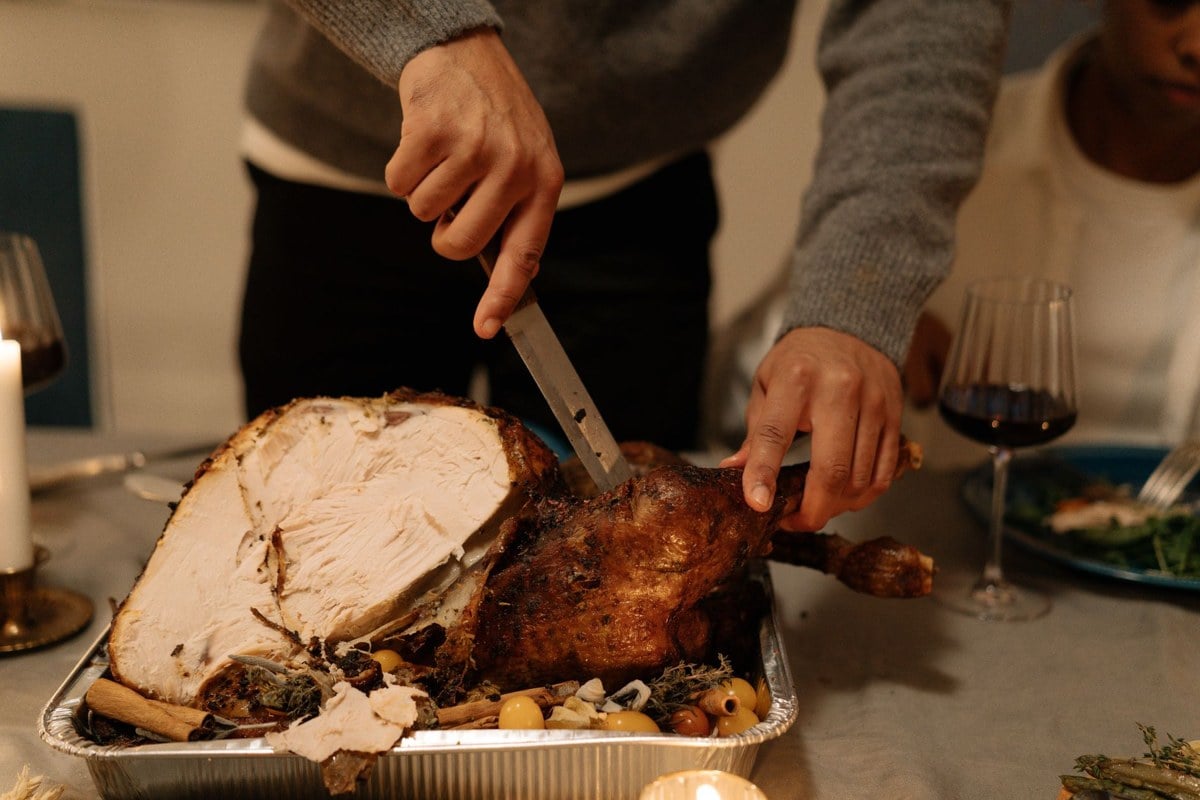
Cooked turkey keeps in the refrigerator for three to four days. That is the window recommended by both USDA FSIS and FoodSafety.gov for cooked poultry.
The most important step after dinner is getting the turkey off the bone and into shallow containers before it goes in the fridge. A whole carcass sitting in a large, deep dish holds heat in the center far longer than meat spread out in thin layers. Shallow containers let the turkey cool quickly and evenly, which keeps it out of the danger zone faster.
If you will not finish the turkey within four days, freeze it. According to FoodSafety.gov, frozen cooked turkey is best within two to six months for quality, though it stays safe at 0 degrees F indefinitely. After that window, it may dry out or develop freezer burn, but it remains safe as long as the freezer has stayed at 0 degrees F throughout.
Store white meat and dark meat separately if you can. Dark meat has more fat and tends to stay moist longer during reheating, so separating them makes it easier to reheat only what you need.
Stuffing: 3 to 4 Days, Always Stored Separately
Stuffing gets three to four days in the refrigerator, the same as turkey. The critical rule here applies before storage even begins: stuffing must come out of the bird immediately after cooking. Never store it inside the turkey.
When stuffing sits inside the cavity, it cools slowly and stays in the danger zone much longer than the meat around it. Even if the turkey is refrigerated promptly, a tightly packed cavity insulates the stuffing and keeps it warm for hours. USDA FSIS is clear that stuffing should be removed and stored in its own shallow container right away.
If you have more stuffing than you will eat in four days, freeze it in shallow containers.
Gravy: 1 to 2 Days in the Fridge
Gravy has the shortest refrigerator life of the dishes in this guide. The USDA says to use leftover gravy within one to two days. It is easy to overlook, because the bacteria that cause food poisoning do not usually change how food looks or smells.
When you reheat gravy, do not just warm it through. USDA FSIS specifically recommends bringing sauces and gravy to a rolling boil before serving. A rolling boil, not just steam rising from the surface, is the standard. This applies whether you are reheating on the stovetop or finishing in the microwave.
Gravy can also be frozen. If you made a large batch, freeze it in small portions right after the meal so you are not racing a one-to-two-day clock.
Mashed Potatoes, Sweet Potatoes and Vegetable Sides: 3 to 4 Days
Mashed potatoes, sweet potato casserole and cooked vegetable sides all fall into the standard three-to-four-day refrigerator window according to the USDA FoodKeeper.
Store them in airtight containers to prevent them from absorbing odors from other foods in the fridge. Mashed potatoes tend to thicken and dry out as they sit, so add a splash of milk or broth when reheating and stir well to bring them back to a smooth consistency.
Cranberry Sauce: 7 to 10 Days for Homemade
Cranberry sauce is acidic, which slows the growth of many bacteria, so it keeps longer than most leftovers. The USDA FoodKeeper gives homemade cranberry sauce 7 to 10 days in the refrigerator.
Opened canned cranberry sauce keeps 1 to 2 weeks in the refrigerator, according to the FoodKeeper. Move it from the can into a covered container.
The FoodKeeper does not recommend freezing cranberry sauce, because it can turn watery after thawing.
Pies: It Depends on the Type
This is where a lot of people get it wrong, because not all pies follow the same rules.
Pumpkin, Pecan, Sweet Potato and Other Custard Pies: Refrigerate Right Away
Any pie with an egg-based filling, including pumpkin pie, pecan pie and sweet potato pie, must be refrigerated. USDA guidance is clear on this point. These pies should not sit at room temperature for more than two hours after baking or serving. Refrigerated, they keep for three to four days.
Many families leave pumpkin pie on the counter after dinner, which is fine during the meal. But once the two-hour mark passes, it needs to go in the fridge. A custard filling left at room temperature overnight is not safe to eat, even if it looks and smells fine.
Fruit Pies: Up to 2 Days at Room Temperature, Then Refrigerate
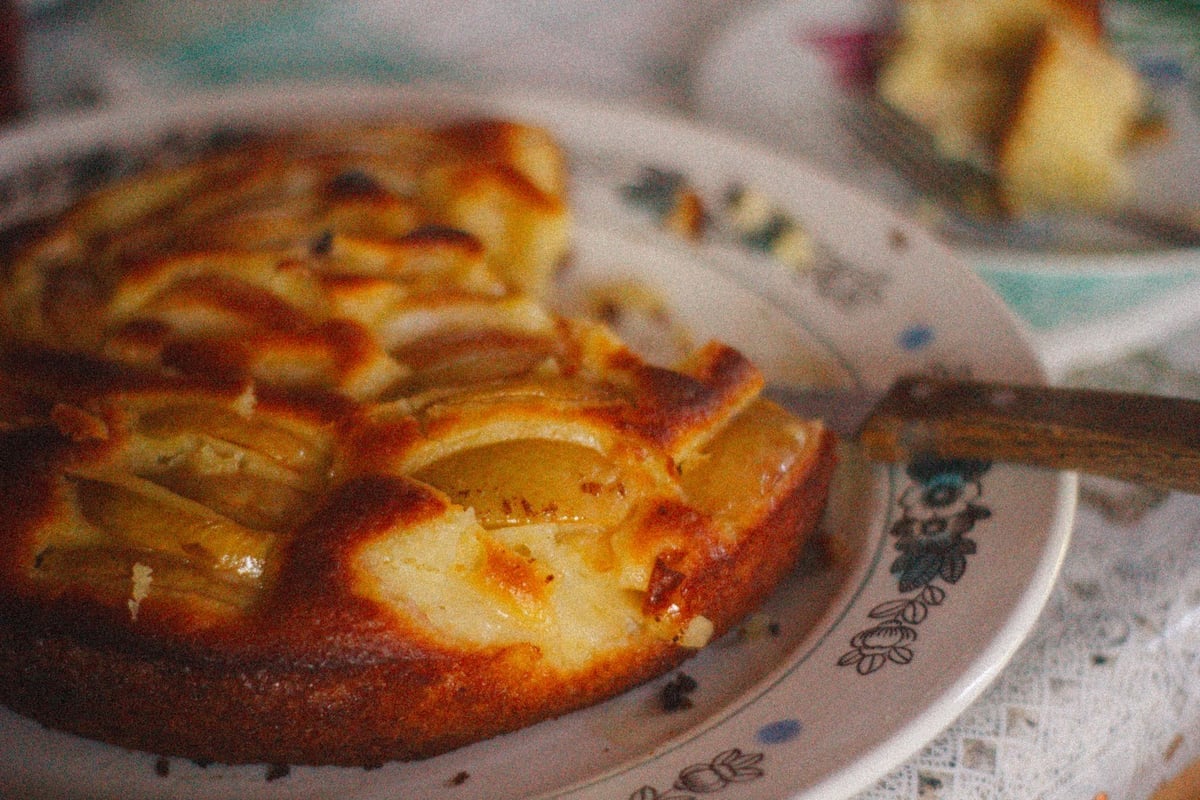
Fruit pies like apple, cherry and blueberry do not contain eggs or dairy in the filling, which makes them more stable at room temperature. According to USDA guidance, fruit pies can be kept at room temperature for up to two days. After that, refrigerate them. The USDA FoodKeeper gives refrigerated fruit pies about a week.
If your kitchen is warm after all the cooking, there is no harm in refrigerating them sooner.
Reheating Everything Safely
Every leftover you reheat needs to reach 165 degrees F internally, measured with a food thermometer. This applies to turkey, stuffing, casseroles, side dishes and anything else coming out of the fridge. Visual cues like steaming or bubbling around the edges are not reliable indicators that the food has reached a safe temperature throughout.
When using a microwave, cover the dish and stir partway through heating. Microwaves heat unevenly, leaving cold spots in the center where bacteria can survive. Stirring and rotating the dish helps distribute the heat more evenly. Check the temperature in several spots, not just the top or edge.
For stovetop reheating of turkey or stuffing, adding a small amount of broth or water to the pan helps keep the food moist and encourages even heating. Bring it to temperature slowly over medium heat rather than blasting it on high.
Sending Guests Home with Leftovers
If you are packing leftovers for guests to take home, keep the two-hour rule in mind from the moment the food leaves your refrigerator. For guests with a short drive, containers go straight from your fridge into their bags. For guests heading on a longer trip, pack the food in a cooler or insulated bag with ice packs to keep everything at or below 40 degrees F during transit.
Label each container with what is inside and when it was made. It takes thirty seconds and saves a lot of guesswork when the container is sitting in someone else’s fridge three days later.
Quick Reference: Thanksgiving Leftovers by the Numbers
- Cooked turkey (carved, stored in shallow containers): 3 to 4 days in the fridge, 2 to 6 months in the freezer for best quality
- Stuffing (stored separately from the bird): 3 to 4 days in the fridge
- Gravy: 1 to 2 days in the fridge, reheat to a rolling boil
- Mashed potatoes and sweet potato casserole: 3 to 4 days in the fridge
- Cooked vegetable sides: 3 to 4 days in the fridge
- Cranberry sauce: 7 to 10 days in the fridge for homemade, 1 to 2 weeks for opened canned
- Egg-based pies (pumpkin, pecan, sweet potato): Must be refrigerated, 3 to 4 days
- Fruit pies (apple, cherry, blueberry): Up to 2 days at room temperature, then refrigerate for up to about a week
- All reheated leftovers: Must reach 165 degrees F measured with a food thermometer
- Refrigerate all leftovers within: 2 hours of cooking (1 hour if the temperature is above 90 degrees F)
- Fridge temperature: 40 degrees F or below
- Freezer temperature: 0 degrees F
Gravy is the first thing to use or freeze: by Saturday for a Thursday dinner. Turkey, stuffing, sides and egg-based pies get three to four days, so plan Sunday as the last day for those, and freeze anything that is not going to get eaten before then. Cranberry sauce keeps longer.
The information in this article is for general informational purposes only. We are not doctors, medical professionals, lawyers or financial advisors, and nothing on this site is intended as medical, legal or financial advice. Always consult a qualified professional about your own circumstances before acting on any information here. We accept no liability for any loss or damage arising from the use of, or reliance on, the information in this article.
- 0shares
- Facebook0
- Twitter0
- Pinterest0