
Most food warnings come with obvious clues: fuzzy mold, a sour smell, something that’s clearly gone wrong. But there’s a whole category of pantry failures that look perfectly fine and smell only slightly off, until you take a bite and wonder why your granola tastes like a crayon.
That’s rancidity. It happens when the natural oils in food oxidize over time, and it’s far more common in everyday pantry staples than most people realize. To be clear upfront: rancid food is primarily a quality and flavor problem, not a food poisoning risk the way undercooked meat or contaminated produce is. But eating something that tastes like old paint is unpleasant, and quietly throwing away half a bag of whole wheat flour every few months is wasteful.
The seven foods below are ones you probably already have in your pantry. None of them grow obvious mold. All of them can quietly turn on you if you store them the way most households do.
1. Whole Wheat Flour
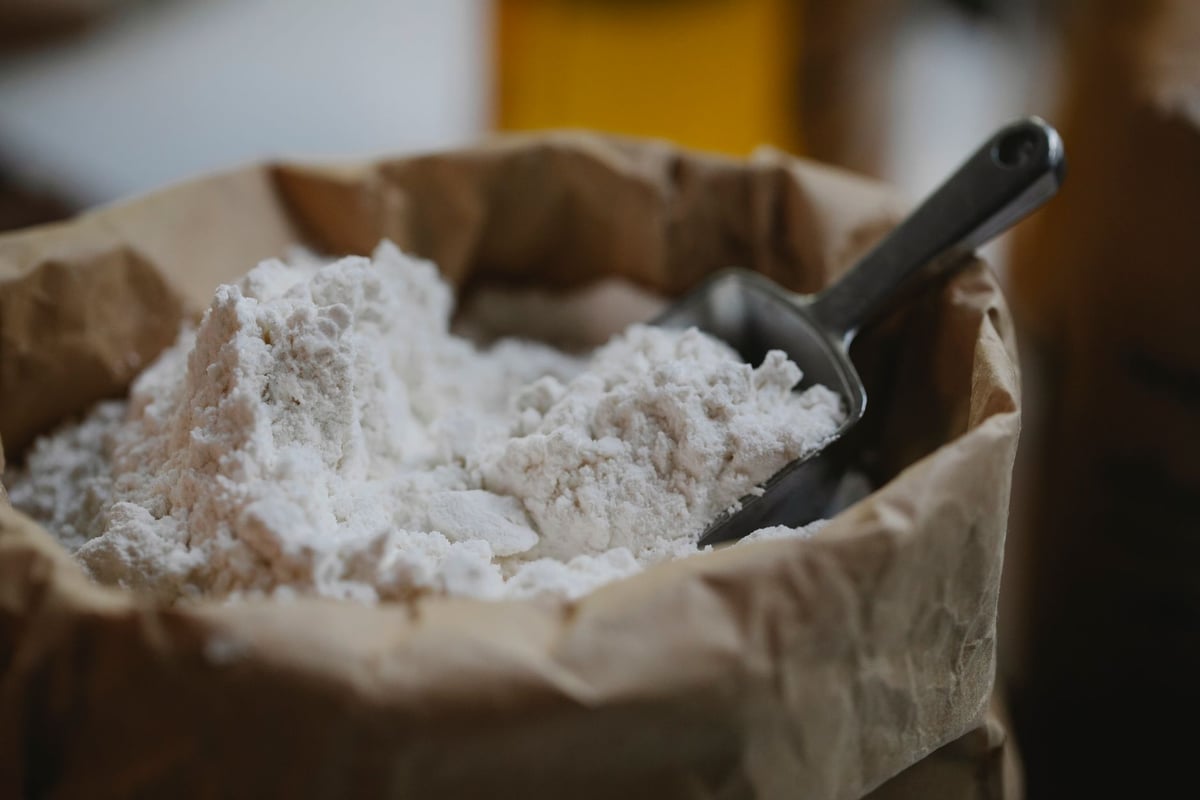
Regular white flour has a long shelf life because the milling process removes the germ and bran. Whole wheat flour keeps both, and those parts contain natural oils. Those oils are exactly what make whole wheat flour nutritionally superior to white flour. They’re also what make it go rancid.
What most people do: buy a five-pound bag, store it in the original paper bag or a canister on the counter, and use it whenever a recipe calls for it over the next year or so.
The problem: stored at room temperature, whole wheat flour can go rancid in as little as one to three months. You may not notice right away, especially if you’re using it in small amounts mixed with other strong flavors. But over time, baked goods made with oxidized flour take on a bitter, stale taste.
What to do instead: transfer whole wheat flour to an airtight container. Keep it in the refrigerator if you use it regularly, or in the freezer for longer storage. The USDA FoodKeeper app has specific guidance on flour storage times by type, and it’s worth checking the date on your bag before you bake. Write the date you opened it on the container with a marker.
2. Brown Rice
White rice is famous for its nearly indefinite shelf life. Stored airtight in a cool, dry place, it keeps for years. Brown rice is a completely different story.
Brown rice retains its bran layer, which contains oil. That’s what gives it the slightly nutty flavor and makes it more nutritious than white rice. It also means the oil in the bran oxidizes over time, especially once the package is opened.
What most people do: buy a large bag of brown rice, store it in the pantry or in the original bag, and assume it’s just as shelf-stable as white rice because, well, it’s rice.
The problem: uncooked brown rice typically keeps for around six months at room temperature, compared to several years for white rice. The USDA FoodKeeper app lists approximate storage windows and notes that refrigeration and freezing extend the life of brown rice significantly. An opened bag sitting in a warm pantry is the worst-case scenario.
What to do instead: transfer brown rice to an airtight container as soon as you open the bag. Store it in the refrigerator or freezer if you don’t plan to use it within a few months. Before cooking, give it a quick smell. A sharp or musty odor is a sign the oils have turned.
3. Nuts
Almonds, walnuts, pecans, cashews, pine nuts: all of them are high in fat, which is part of what makes them satisfying and nutritious. It’s also exactly why they go rancid.
What most people do: buy a large container, store it in the pantry, and snack from it for months. Or buy nuts for one recipe and forget the rest of the bag in the cabinet.
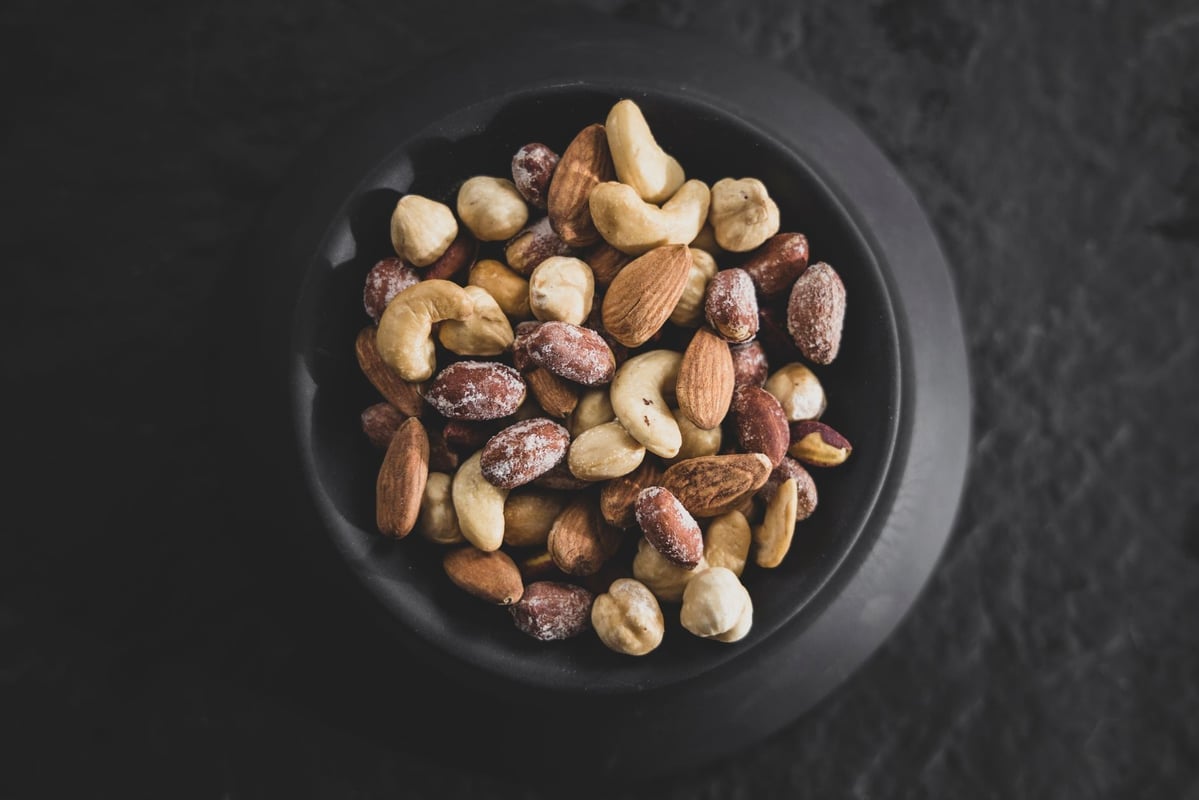
The problem: once a bag of nuts is opened and exposed to air, the oils begin oxidizing. Walnuts and pine nuts are especially prone to this because of their higher polyunsaturated fat content. Rancid nuts have a bitter, almost paint-like taste. You’ve probably eaten a rancid walnut at some point and just thought it was a bad nut.
What to do instead: once opened, store nuts in an airtight container in the refrigerator. For longer storage, the freezer works well and nuts thaw quickly. The USDA FoodKeeper app has storage guidance for different nut types. A good habit: write the date you opened the package on the container. When in doubt, smell them before eating. Fresh nuts have a mild, pleasant smell. Rancid nuts smell sharp and bitter.
4. Seeds
Flaxseeds, chia seeds, sesame seeds and sunflower seeds are all high in oil. Ground flaxseed is especially vulnerable because grinding exposes far more surface area to air than whole seeds do.
What most people do: add a bag of ground flaxseed to the pantry for smoothies and oatmeal, use it occasionally, and let the bag sit for six months between uses.
The problem: ground flaxseed stored at room temperature can go rancid within a few weeks to a few months of opening. Whole seeds last longer because the hull provides some protection, but they’re still far more perishable than most people assume. Rancid seeds have a bitter, stale taste that can transfer to anything you add them to.
What to do instead: store ground flaxseed in the refrigerator in an airtight container, where it will last considerably longer than at room temperature. Whole seeds can also be refrigerated or frozen. Check the label for manufacturer guidance, and use the USDA FoodKeeper app as a reference. Sesame seeds and tahini (sesame paste) also belong in the refrigerator after opening.
5. Cooking Oils
Cooking oils might be the most commonly mishandled item on this list, mostly because the storage mistake is so visually logical: the oil lives next to the stove because that’s where you use it.
What most people do: keep a bottle of olive oil, vegetable oil or avocado oil next to the burners. It’s convenient. It’s also one of the fastest ways to make that oil go rancid.
The problem: heat and light are the two main accelerants of oxidation in oil. Keeping a bottle of olive oil next to a stove that you use daily means the oil is repeatedly exposed to heat cycles. Light accelerates the process further. Oils stored this way can degrade noticeably faster than oils kept in a cool, dark spot. Different oils have different stability levels, with more saturated fats like coconut oil holding up better than polyunsaturated oils like flaxseed or walnut oil, but all oils are affected by heat and light over time.
What to do instead: store cooking oils in a cool, dark cupboard away from the stove and away from any window. Keep the cap tight. Buy in sizes you’ll use within a few months of opening rather than buying the largest container for the best unit price. Before cooking with an oil that’s been open for a while, smell it. Fresh oil has a mild, clean scent. Rancid oil smells sharp, bitter or like paint. If it smells off, replace it.
6. Cornmeal
Regular degerminated cornmeal (the kind that’s been processed to remove the germ) has a fairly long shelf life. Whole grain or stone-ground cornmeal is a different product. The germ is still present, and so is the oil it contains.
What most people do: buy a bag of stone-ground cornmeal for a cornbread recipe, use two cups, and store the rest on the pantry shelf for next time. Next time might be eight months away.
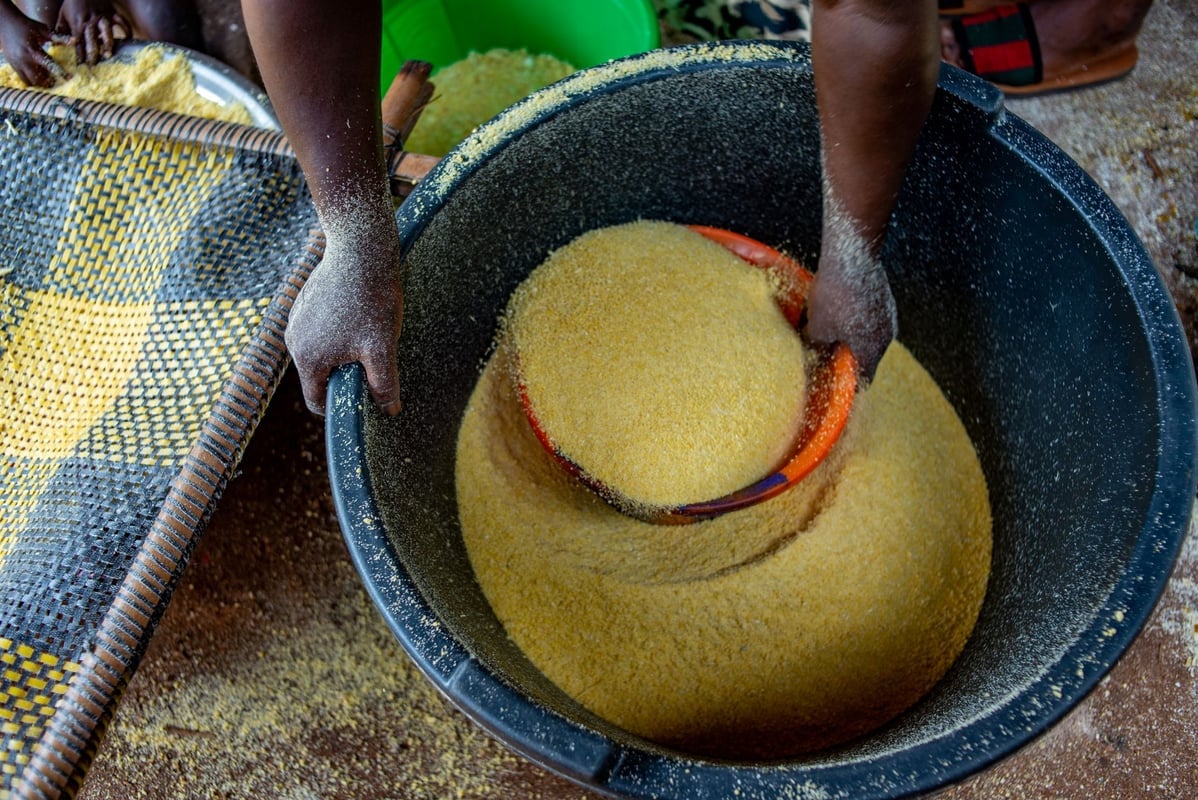
The problem: whole grain and stone-ground cornmeal can go rancid within a few months of opening when stored at room temperature. The same oxidation process that affects whole wheat flour applies here. The taste shift is noticeable: cornbread made with rancid cornmeal has a bitter, unpleasant aftertaste that baking can’t fix.
What to do instead: check the label on your cornmeal to confirm whether it’s whole grain or degerminated. If it’s whole grain or stone-ground, transfer any opened portion to an airtight container and store it in the refrigerator or freezer. Write the opening date on the container. The USDA FoodKeeper app is a useful reference for cornmeal storage windows by type.
7. Crackers, Chips and Granola
These don’t contain oils in the same way nuts or seeds do, but they’re made with fats, and once the package is open, those fats start oxidizing. The stale, cardboard-like taste you get from old crackers or granola that’s been sitting open for a few weeks isn’t just about moisture. It’s also rancidity.
What most people do: open a box of crackers or a bag of granola, roll the top down loosely or clip it, and leave it in the pantry for a month or two.
The problem: a rolled-down bag or a loose clip doesn’t create an airtight seal. Air gets in, fats oxidize, and the product tastes flat or bitter before the printed best-by date. Granola is especially prone to this because it often contains nuts, seeds, and oils as separate ingredients, all of which have their own oxidation timelines.
What to do instead: transfer opened crackers, chips and granola to airtight containers or resealable bags with as much air pressed out as possible. Consume within a few weeks of opening for best quality, or check the label’s guidance. Some granolas with high nut or seed content will hold up better in the refrigerator after opening.
How to Tell If Something Has Gone Rancid
The smell test is your most reliable tool. Rancid food smells sharp, bitter, or like paint or crayons. If you’re not sure what fresh smells like, buy a small amount of the same product from a new package and compare. The difference is usually obvious.
Taste-testing a small amount of potentially rancid food is generally safe from a food poisoning standpoint, since rancidity is an oxidation process rather than a bacterial contamination. But it will taste bad, and there’s no reason to eat more of it. Discard anything that smells or tastes off.
Quick-Reference Checklist
- Whole wheat flour: airtight container, refrigerator or freezer; use within a few months at room temperature
- Brown rice: airtight container, refrigerator or freezer; expect around six months at room temperature
- Nuts: airtight container in the refrigerator after opening; freeze for longer storage
- Seeds (especially ground flaxseed): refrigerator in an airtight container after opening
- Cooking oils: cool, dark cupboard away from the stove; smell before using
- Whole grain or stone-ground cornmeal: airtight container in the refrigerator or freezer after opening
- Crackers, chips and granola: airtight container after opening; use within a few weeks
- For all of the above: write the opening date on the package, check labels for manufacturer guidance, and use the USDA FoodKeeper app for specific storage time ranges
The USDA FoodKeeper app is free and available on iOS and Android. It covers hundreds of specific foods with storage guidance by location (pantry, refrigerator, freezer) and is updated based on USDA research. It takes about thirty seconds to look up a food, which is a shorter amount of time than you’d spend making a recipe with ingredients that have quietly turned.
- 0shares
- Facebook0
- Twitter0
- Pinterest0