
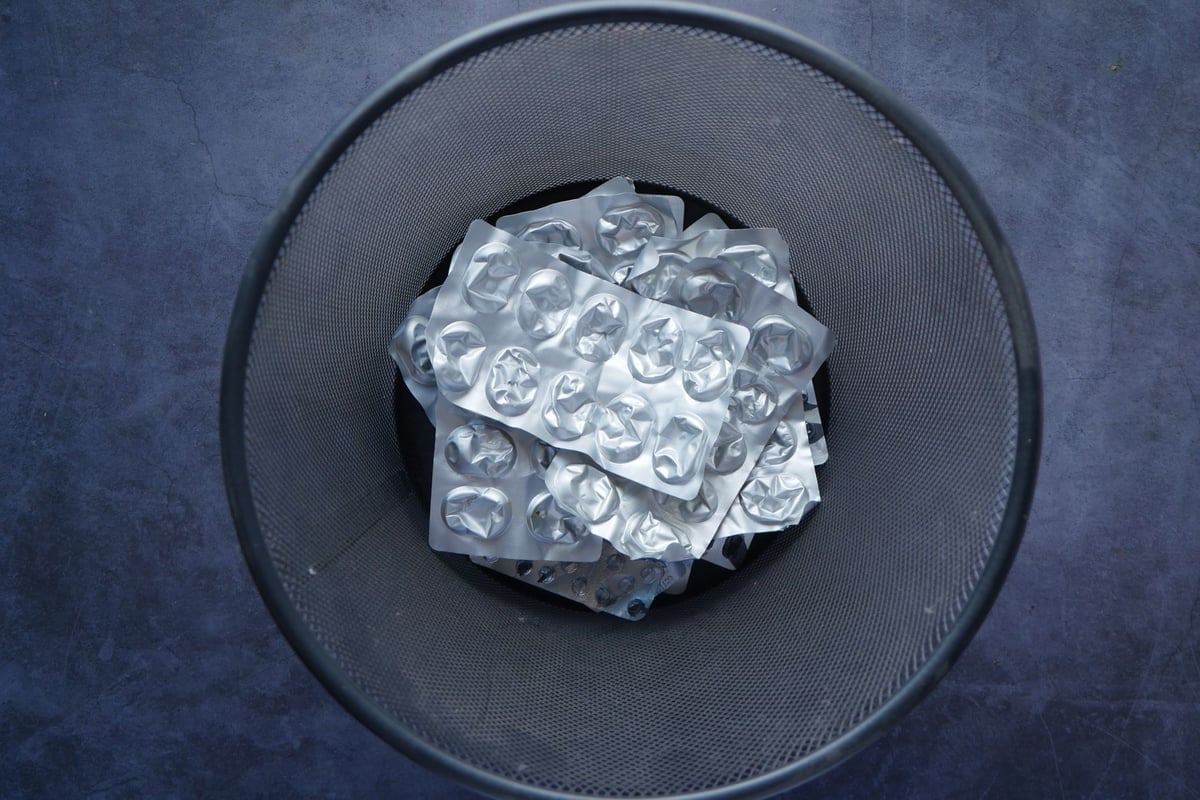
Most people toss things in the trash without a second thought. That’s fine for food scraps and paper towels. But a handful of common household items can cause real problems when they end up in a garbage truck, a landfill, or a recycling facility. We’re talking fires, toxic contamination, and in some states, actual fines.
The EPA classifies many of these items as household hazardous waste, meaning they contain materials that are flammable, reactive, corrosive, or toxic. The good news: every single one of these items has a safe, legal disposal option, and most of them are free. Here’s what to pull out of your trash bin starting today.
1. Lithium-Ion and Rechargeable Batteries (Including Vapes and Power Banks)
This is the one that waste management professionals are most vocal about right now. Lithium-ion batteries, the kind inside your power tools, e-cigarettes, wireless earbuds, and portable phone chargers, can ignite when they are punctured, crushed, or exposed to heat. That is exactly what happens inside a garbage truck compactor.
The EPA has warned that lithium-ion batteries cause fires in garbage trucks and recycling facilities. Those fires are dangerous for workers, costly to contain, and sometimes destroy the entire vehicle or facility.
What to do instead: Tape over the terminals with electrical tape or clear tape before you do anything else. This prevents accidental contact. Then take the batteries to a drop-off location through Call2Recycle (call2recycle.org), which has thousands of collection sites at hardware stores, office supply stores, and big-box retailers. Many municipalities also accept them at household hazardous waste events.
Disposable alkaline batteries (AA, AAA, 9V) are generally accepted in regular trash in most states, though California prohibits it. Check your local rules if you’re unsure.
2. Old Phones, Laptops, and Other Electronics
Electronic waste, or e-waste, contains lead, mercury, cadmium, and other heavy metals. When electronics end up in a landfill, those materials can leach into soil and groundwater.
Beyond the environmental concern, there’s a practical one: your data. A phone or laptop you toss in the trash still contains your passwords, photos, banking apps, and contacts. Dumpster diving for devices with personal data is a documented method identity thieves use.
What to do instead: Before anything else, factory reset your device and wipe your data. Then look into manufacturer take-back programs. Apple, Dell, Samsung, HP, and many others offer free mail-in or in-store recycling. Best Buy accepts most electronics for recycling regardless of where you bought them. Earth911.com has a search tool to find drop-off locations near you. Some municipalities also run e-waste collection events separately from standard recycling.
3. Fluorescent Tubes and CFL Bulbs
That long fluorescent tube in your garage or the curly compact fluorescent bulb in an old lamp both contain a small amount of mercury vapor. It’s sealed inside under normal conditions, but once a bulb breaks, that mercury can be released. Crushing bulbs in a trash truck or landfill releases it into the environment.
According to the EPA, it’s best to avoid disposing of fluorescent lamps in regular trash whenever possible, and some states ban it outright. California, Minnesota, and several others specifically prohibit fluorescent bulbs from landfills.
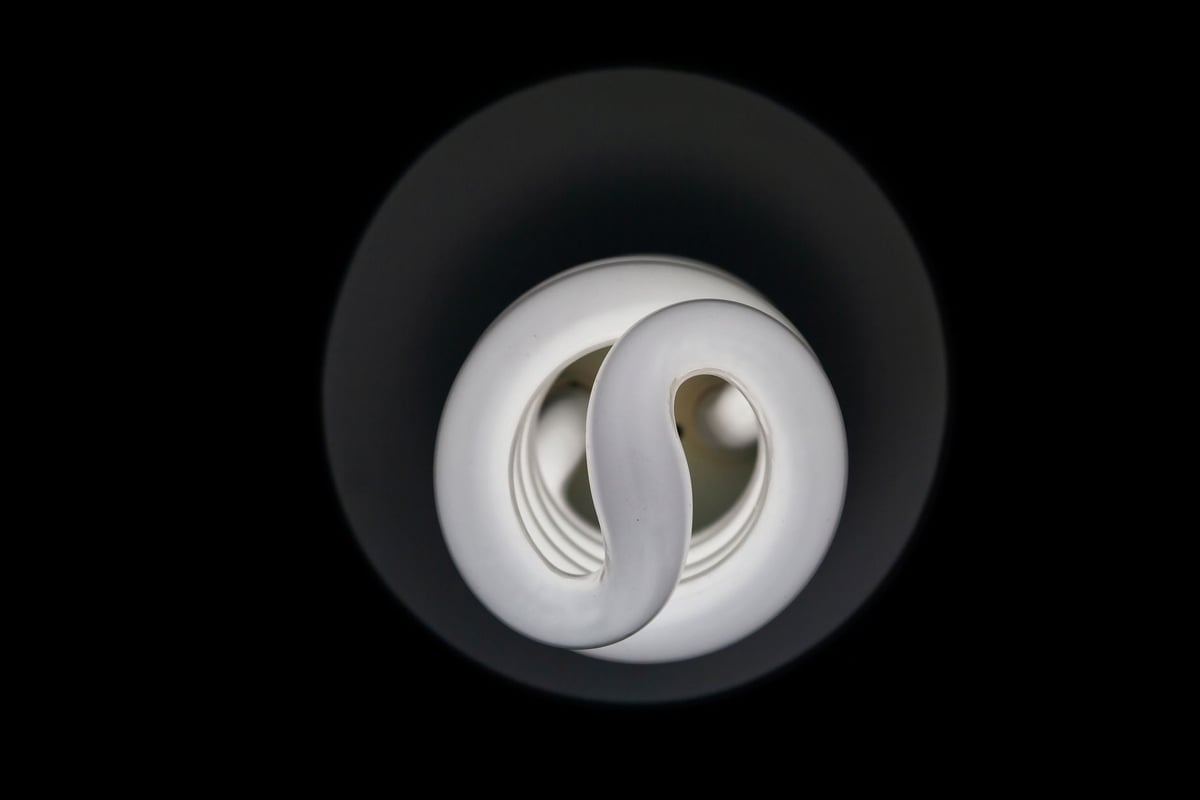
What to do instead: Many hardware stores, including Home Depot and Lowe’s, accept CFLs for recycling. Some accept fluorescent tubes as well. Your local household hazardous waste facility will take both. Transport them carefully in their original packaging or wrapped in newspaper to prevent breaking. If a bulb breaks at home, the EPA has specific cleanup guidance on its website, including ventilating the room for several minutes before cleaning up the fragments.
4. Leftover Paint, Especially Oil-Based Paint
A can of old paint in the garage is one of the most common household hazardous waste items. Oil-based paint is flammable and contains solvents that are toxic. It absolutely cannot go in regular trash or down the drain. Latex (water-based) paint is less hazardous, but liquid latex paint is still prohibited from landfills in many areas because it can leach chemicals as it breaks down.
What to do instead: Oil-based paint should always go to a household hazardous waste collection event or facility, no exceptions. For latex paint, many local waste programs allow you to dry it out first and then throw away the dried solid. To dry it out, open the can, add kitty litter or commercial paint hardener, and let it solidify completely before tossing. This only applies where local rules specifically allow it, so check your municipality’s website before assuming it’s fine.
PaintCare (paintcare.org) is a nonprofit that runs a retailer drop-off program in many states. You can search by zip code to find the nearest location that accepts old paint year-round.
5. Used Motor Oil and Oil Filters
If you change your own oil at home, you’re generating a hazardous waste product every time. Used motor oil contains heavy metals and toxic compounds picked up during the combustion process. The EPA says the used oil from a single oil change can ruin a million gallons of fresh water.
Pouring it down the drain, dumping it on the ground, or bagging it for trash are all illegal in most states and harmful to water systems and soil.
What to do instead: Store used oil in a sealed container (the original oil container works perfectly) and take it to an auto parts store. AutoZone, O’Reilly Auto Parts, Advance Auto Parts, and many other retailers accept used motor oil for recycling at no charge. Most will also take used oil filters. Earth911.com can help you find a location if your nearest auto parts store doesn’t participate.
6. Propane Cylinders, Including Small Camping Canisters
Full-size propane tanks from your gas grill are obvious, but the small one-pound camping canisters that screw onto backpacking stoves are just as problematic. Even an “empty” canister retains enough residual gas to ignite or explode when compressed in a garbage truck.
Never put any propane cylinder, full or empty, in your household trash or curbside recycling bin.
What to do instead: Full or partially full propane tanks can often be exchanged at hardware stores, grocery stores, and gas stations that operate propane exchange programs. For truly empty tanks, some scrap metal facilities accept them. Small camping canisters are trickier: some outdoor retailers and manufacturers accept them, and your local household hazardous waste facility should take them. Check with the brand directly, as some (like Coleman) have specific guidance for their products.
7. Old Medications
Flushing medications or tossing them in the trash creates real risks. Pills in the trash can be accessed by children, pets, or people looking through garbage. When medications are flushed, they can pass through wastewater treatment systems and end up in waterways.
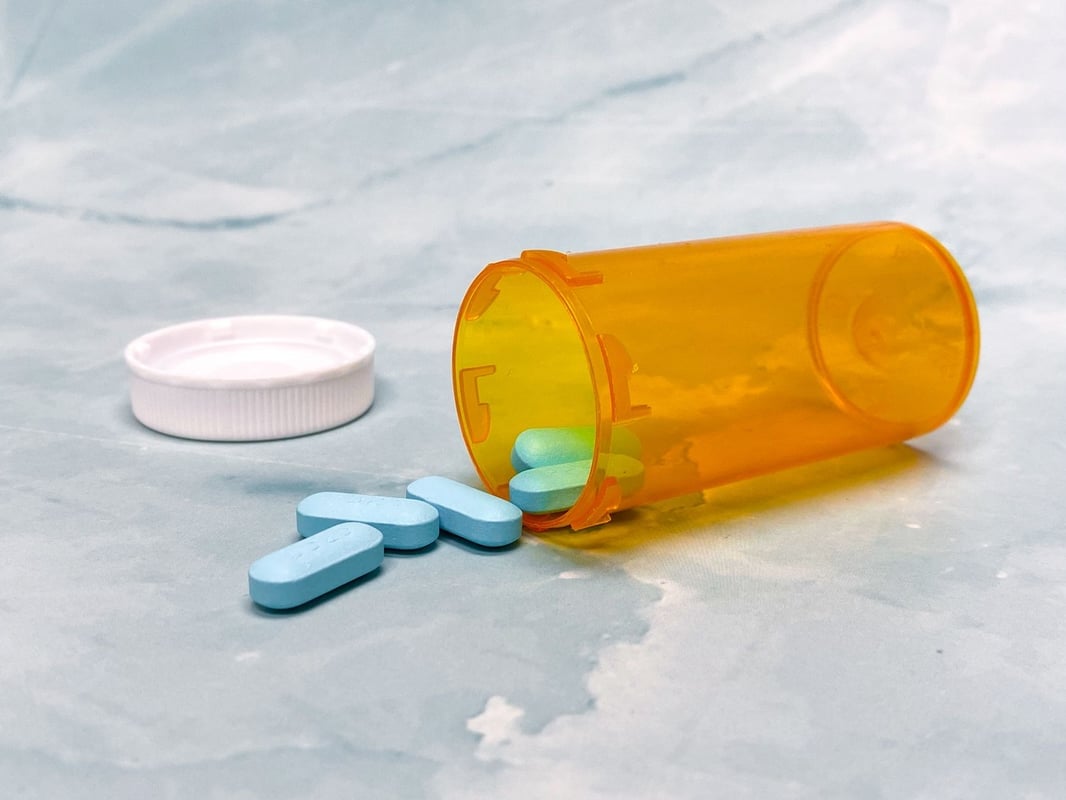
The FDA does maintain a short list of medications that are recommended for flushing as a last resort because the risk of someone getting into them outweighs the environmental concern. But for most medications, safer options exist.
What to do instead: The DEA runs National Prescription Drug Take Back Day events twice a year, with thousands of collection sites across the country. You can find upcoming dates and locations at dea.gov. Many pharmacies also have permanent drop-off kiosks, including many CVS and Walgreens stores. If no take-back option is available, the FDA advises mixing most medications with an undesirable substance like coffee grounds or dirt, sealing them in a bag, and placing them in the household trash, with personal information removed from the label.
8. Pool Chemicals, Pesticides, Drain Cleaners, and Garden Chemicals
Chlorine tablets, weed killers, rat poison, drain openers, and fertilizers with pesticides all fall into this category. These products are designed to be reactive or toxic, which is exactly what makes them effective and exactly what makes them dangerous in a landfill or sewage system. Many are corrosive enough to damage garbage trucks or harm workers on contact.
Pouring them down the drain is just as bad. Household drains connect to wastewater treatment plants that are not designed to remove pesticides or high concentrations of pool chemicals. Some of those compounds pass through and into rivers and streams.
What to do instead: All of these should go to a household hazardous waste collection event. Most communities run at least one or two of these per year, and some have permanent drop-off facilities that accept these materials any time during business hours. Keep products in their original labeled containers so workers can identify them safely. Never mix chemicals before disposal.
How to Find Your Local Household Hazardous Waste Day
Most of the items above have one common solution: your local household hazardous waste program. Finding it takes about two minutes. Start at Earth911.com, which has a comprehensive search tool where you type in the material and your zip code. Your county or city waste management website is another reliable source, usually under a tab labeled “Special Waste,” “Hazardous Waste,” or “Drop-Off Programs.”
If you can’t find anything through those channels, call your local public works department directly. They can tell you about scheduled collection events, permanent facilities, and retailer take-back programs in your area. Rules vary significantly by town and state, so what’s acceptable in one county may not be in the next.
Quick-Reference Checklist
- Rechargeable batteries and vapes: Tape terminals, drop off at Call2Recycle location or hazardous waste event
- Old phones, laptops, electronics: Wipe data first, then use manufacturer take-back or Best Buy recycling
- Fluorescent tubes and CFL bulbs: Hardware store take-back (Home Depot, Lowe’s) or hazardous waste facility
- Paint (oil-based): Hazardous waste collection only. Latex paint: dry out first if local rules allow, or use PaintCare drop-off
- Used motor oil and oil filters: Auto parts stores (AutoZone, O’Reilly, Advance) accept for free
- Propane tanks and camping canisters: Exchange program or household hazardous waste drop-off
- Old medications: DEA Take Back Day, pharmacy kiosk, or FDA-approved home disposal method
- Pool chemicals, pesticides, drain cleaners: Household hazardous waste collection only, never pour down drains
To find a collection event near you: search Earth911.com by material and zip code, or visit your county waste management website directly.
- 0shares
- Facebook0
- Twitter0
- Pinterest0