
Most people are pretty good about throwing out expired food. Check the date, toss it, done. But the tools you use to prep and clean that food? Those tend to hang around long past the point they should. And some of them can do real damage to your health or your cooking without giving you any obvious warning signs.
Below are six kitchen items that most households are keeping too long, why it matters, and exactly what to do about it.
1. Kitchen Sponges
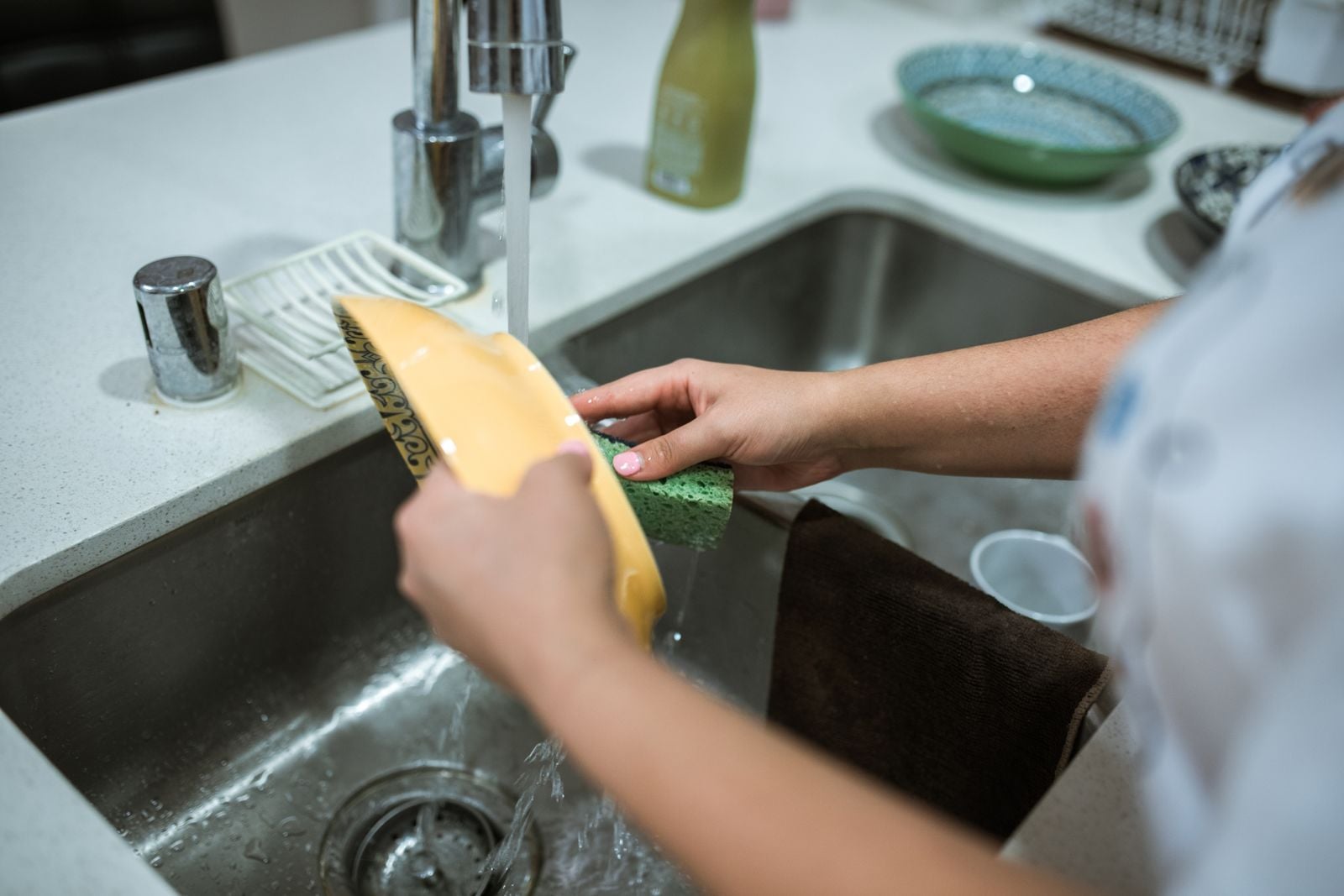
The sponge sitting next to your sink right now is almost certainly one of the germiest objects in your home. Food safety studies consistently rank kitchen sponges and dishcloths among the germiest items in a home. The structure of a sponge is the problem: all those tiny pores trap food particles and moisture, which creates near-perfect conditions for bacteria to multiply.
The fix most people reach for is rinsing the sponge and squeezing it dry. That helps a little, but it does not reset the bacterial load in any meaningful way. The USDA recommends sanitizing your sponge regularly between replacements. Two methods they back with research: microwaving a thoroughly damp sponge (never a dry one) for one minute, or running it through the dishwasher on the heated dry cycle. Either approach kills most of the bacteria present at that moment.
The key phrase there is “at that moment.” Sanitizing buys you time, not a permanent fix. A sponge that smells off is telling you it has crossed a line that sanitizing will not reverse. The general guidance from food safety experts is to replace your kitchen sponge roughly every one to two weeks, or sooner if it develops an odor or starts to fall apart physically.
What to do: Sanitize your sponge every few days using the microwave or dishwasher method. Replace it when it smells, when it looks worn, or after about a week to two weeks of regular use. Some people find it easier to switch to silicone scrubbers or dishcloths, which can go through the laundry.
2. Dish Towels
Dish towels get used for everything. Drying clean hands, wiping up a spill, drying a cutting board after it held raw chicken, then drying a plate. That cycle can transfer bacteria from one surface to another without anyone realizing it.
Food safety researchers have consistently flagged kitchen towels as a cross-contamination risk, particularly when they stay damp and in use for several days at a time. A damp towel does not dry out between uses the way you might hope, and bacteria thrive in that environment.
There is also the question of what you are using one towel to do. Using the same cloth to dry your hands after handling raw meat and then to dry dishes is the kind of thing that can transfer pathogens from one surface to the next without you ever noticing.
What to do: Wash dish towels frequently, at least every couple of days if they are seeing regular use, and after any contact with raw meat or poultry. Keep at least two separate towels in rotation: one for drying hands and one for drying dishes or surfaces. Wash them in hot water. If a towel smells sour between washes, that is a sign it needs to go in the laundry immediately, not tomorrow.
3. Plastic Cutting Boards With Deep Knife Grooves
Plastic cutting boards got popular partly because they seemed easier to sanitize than wood. And a smooth, intact plastic board is reasonably easy to clean. The problem is that plastic does not stay smooth for long. Every pass of a knife leaves a small cut in the surface, and over time those cuts become grooves deep enough to trap food particles and bacteria.
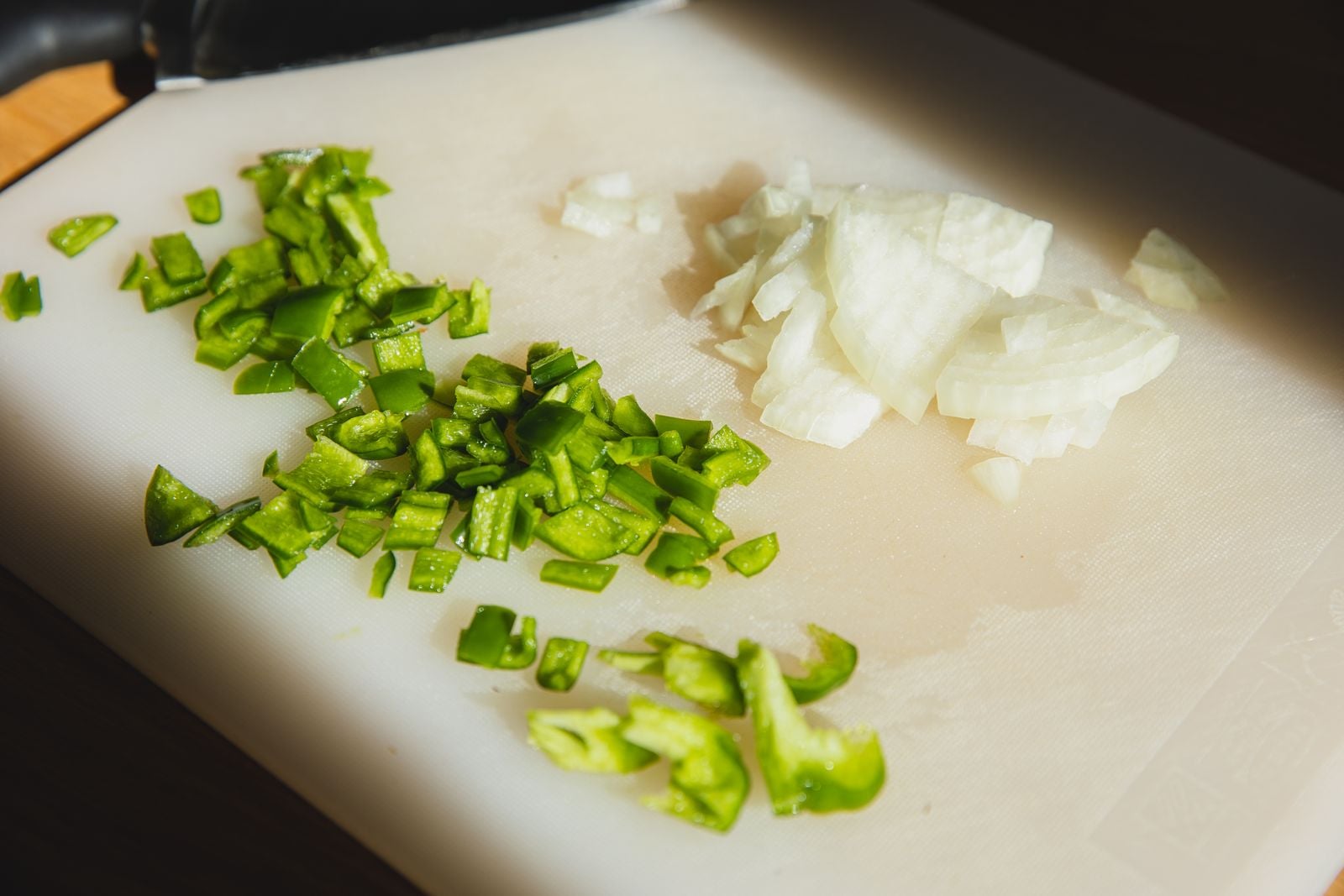
The USDA’s food safety guidance specifically notes that cutting boards with deep grooves or cracks are difficult to clean effectively and should be replaced. Running a deeply scarred board through the dishwasher helps, but it cannot fully flush out bacteria hiding in cuts that go down into the board. Wood boards have this issue too, but a deeply grooved plastic board that was supposed to be easy to sanitize is no longer doing that job.
You do not need to replace a board the moment it shows minor surface marks. But when your board has visible grooves you can feel with your fingernail, or areas where the surface is visibly breaking down, it has reached the end of its useful life for food safety purposes.
What to do: Run your fingernail across the surface of your cutting board. If you can feel distinct grooves or catch your nail in cuts, it is time for a new one. Keep separate boards for produce and raw meat regardless of what material they are made from. When a board warps, develops a strong odor that washing does not remove, or shows deep scoring, replace it.
4. Nonstick Pans That Are Flaking or Deeply Scratched
Nonstick cookware is convenient, and most of it performs well when it is in good condition. The issue comes when the coating starts to break down. Scratches from metal utensils, chips from stacking pans without protection, or flaking from years of high-heat cooking all signal that a pan is past its prime.
Cookware manufacturers are consistent on one point: once the nonstick coating is visibly damaged, whether that means flaking, peeling, or deep scratching that exposes the base material, you should stop using the pan and replace it. Beyond any other concern, a damaged coating simply does not work well. Food sticks, the pan heats unevenly, and the performance you bought it for is gone.
Manufacturers typically include guidance on replacement in their documentation. Following that guidance is the right approach. If you no longer have the manual, the rule of thumb is: if the coating looks damaged in any way that goes beyond light surface wear, it is time to let the pan go.
What to do: Use wooden, silicone, or plastic utensils with nonstick pans to slow down scratching. Store pans with a cloth or pan protector between them to prevent chips. When you see the coating flaking or peeling, do not keep using it. Replace the pan. If you are unsure whether a pan has reached that point, check the manufacturer’s website for guidance specific to your cookware.
5. Water Filter Pitchers and Refrigerator Filters
A water filter that is working properly removes contaminants and improves water quality. A filter that is past its replacement date is a different story. Once a filter is clogged or exhausted, it stops filtering effectively.
Filter manufacturers are clear: replace your filter on the schedule outlined in the product manual. For most pitcher filters, that is roughly every two months, or after a certain number of gallons, though this varies by brand and model. Refrigerator filters typically need replacement every six months. These are not arbitrary numbers. They reflect how long the filter media can actually do its job before performance drops off.
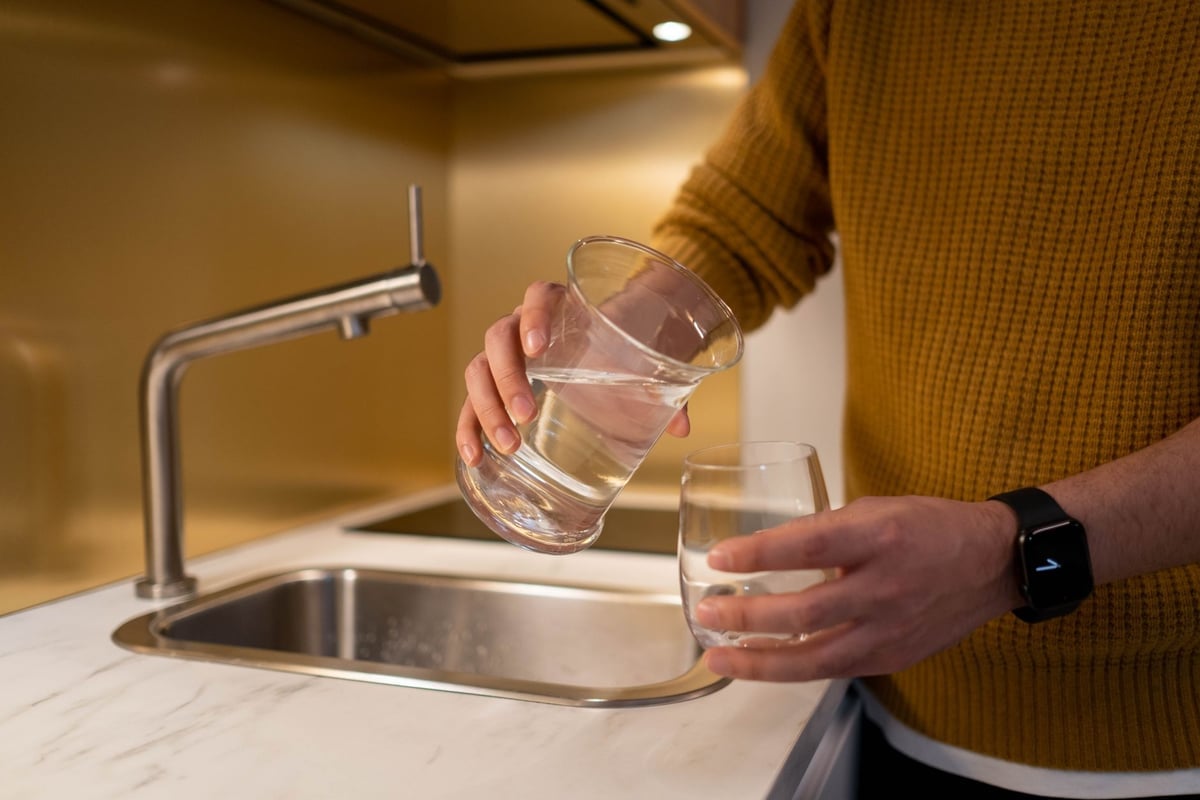
A lot of households ignore the filter indicator light on the fridge or let the pitcher filter run well past its recommended lifespan because the water still looks clear and tastes fine. Clarity is not a reliable indicator. Contaminants that filters are designed to reduce, things like lead or chlorine byproducts, are not visible and are not detectable by taste in most cases.
What to do: Find the replacement schedule in your filter’s manual or on the manufacturer’s website. Set a calendar reminder or a recurring phone alert so you are not relying on memory. If your refrigerator has a filter indicator light, take it seriously. Keep a spare filter on hand so a replacement is not delayed when the time comes.
6. Old Spices
This one is less about safety and more about the fact that you are probably seasoning your food with something that has almost no flavor left. Spices do not spoil in the way that raw meat or dairy does. You are not going to get sick from old oregano. But ground spices do lose their potency over time, and a spice that has been sitting in your cabinet for four years is contributing very little to whatever you are cooking.
The FDA does not set mandatory expiration dates for dried spices, but the general guidance from food safety and culinary sources is that ground spices are at their best for about one to three years, while whole spices hold their flavor longer, often three to four years or more. The difference is surface area. When a spice is ground, more of it is exposed to air and light, which speeds up the loss of its volatile oils and therefore its flavor.
The test is simple. Open the jar and take a smell. A fresh, potent spice has a strong, immediate aroma. An old one smells faint, dusty, or like nothing at all. Look at the color too. Paprika that has faded from red to pale orange, or basil that has gone from green to beige, is past its peak.
What to do: Pull every spice out of your cabinet and test each one with the smell-and-color check. Anything that does not have a clear, strong aroma should be replaced. Buy whole spices where possible and grind them yourself when you need them. Store spices away from heat and light. The cabinet right above the stove, where a lot of people keep their spices, is actually one of the worst spots because of the heat and steam from cooking.
Quick-Reference Checklist
- Kitchen sponge: Sanitize every few days (microwave damp for 1 minute or run through dishwasher on heated dry). Replace every 1 to 2 weeks or when it smells.
- Dish towels: Wash every 2 to 3 days, or immediately after contact with raw meat. Keep separate towels for hands and dishes.
- Plastic cutting boards: Replace when you can feel distinct knife grooves, when the board warps, or when it holds odors that washing does not remove.
- Nonstick pans: Replace when the coating is visibly chipped, flaking, or peeling. Use non-metal utensils and pan protectors to extend life.
- Water filters: Follow the replacement schedule in your manual. Set a calendar reminder. Do not rely on the water looking or tasting different to tell you the filter is done.
- Spices: Smell and inspect the color. Replace ground spices that have lost their aroma, typically after 1 to 3 years. Whole spices last longer. Store away from heat and light.
If you are not sure where to start, the sponge and dish towels are the fastest wins. Both are inexpensive, both make a real difference, and both can be handled today.
- 0shares
- Facebook0
- Twitter0
- Pinterest0