
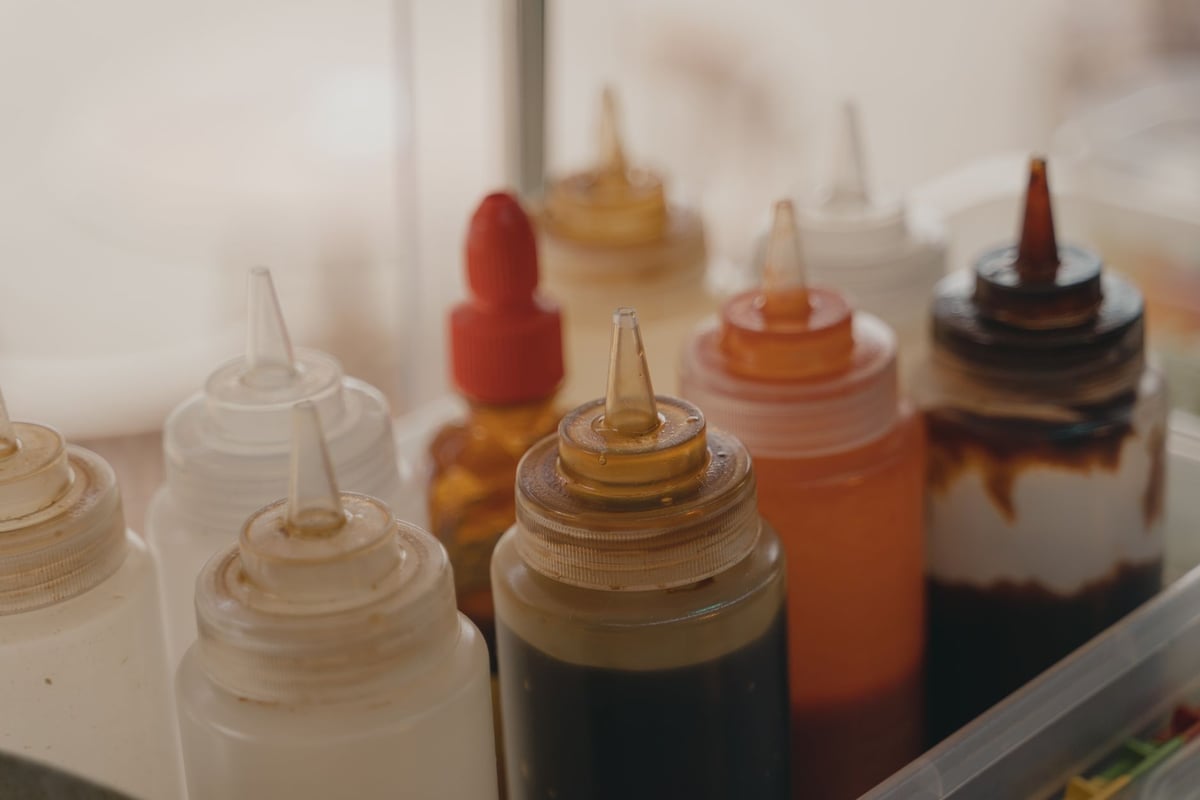
Most people treat the fridge door like a condiment graveyard. A jar of salsa from two months ago sits next to a half-used bottle of pesto, and nobody questions either one. The assumption is that if something smells okay and looks okay, it probably is okay.
That assumption is wrong often enough to matter. Some condiments carry real food safety risks once they’re opened, and others simply go rancid or off in ways that ruin your food without you realizing it. The USDA’s FoodKeeper app and guidance from the National Center for Home Food Preservation (NCHFP) put firm timelines on several of these, and most people are blowing right past them.
Here are the seven condiments most likely to be sitting in your kitchen right now, well past the point when you should have used them up or thrown them out.
1. Mayonnaise
Mayonnaise is one of the most commonly mishandled condiments in the American kitchen. People leave it out on the picnic table for hours in summer heat, then bring it back inside and refrigerate it again. That’s a problem.
Commercial mayo is made with pasteurized eggs and carries a “refrigerate after opening” label. Once opened, the USDA FoodKeeper app lists mayo as good for approximately two months in the refrigerator. That clock starts the moment you break the seal, not when you remember to think about it.
The bigger danger is temperature abuse. Store bought mayo is acidic, which slows bacteria, but once it is mixed into potato salad, chicken salad or sandwiches, USDA’s two hour rule applies: perishable food should not sit out for more than two hours, or one hour if the air temperature is above 90°F. At a backyard barbecue or picnic, that window closes fast.
What to do: Write the date you opened the jar on the lid with a permanent marker. Keep it in the coldest part of the fridge, not the door where temperatures fluctuate the most. At outdoor events, keep mayo-based dishes in a cooler with ice and don’t leave them sitting out. If your mayo smells sour, looks separated in a way that won’t blend back together, or has any discoloration, toss it.
2. Jarred Salsa
Salsa is one of those condiments that people buy, open, use a few times, and then forget about for weeks. The jar looks sealed and intact, and the contents look more or less the same. But opened jarred salsa has a shorter safe window than most people expect.
According to the USDA FoodKeeper, opened jarred salsa should be used within about one month when refrigerated. Fresh refrigerated salsa, the kind you find in the produce section rather than on a shelf, has an even shorter window. That type typically carries a “use by” date and should be treated accordingly, often lasting only a week or two after opening.
Mold can be hard to spot in a dark red or chunky salsa. An off smell or a slight fermented quality is often the first sign something has gone wrong.
What to do: Date the lid when you open it. If you’re a light salsa user, consider buying smaller jars so you actually finish them within a reasonable timeframe. For fresh refrigerated salsa, treat it more like you’d treat fresh produce than a pantry staple.
3. Pesto
Pesto sits in an interesting middle ground. People assume that because it’s sold in a sealed jar, it has a long shelf life once open. It does not.
Opened jarred pesto should be refrigerated and used within about one to two weeks, depending on the brand. Check the label because some manufacturers say even less. Homemade pesto has a shorter window, typically only a few days in the fridge, because it lacks the preservatives found in commercial versions.
The real risk with pesto is mold. The oil-and-herb environment is hospitable to mold growth, and it can appear in patches that are easy to miss if you’re just scooping from the top without looking carefully. Any visible mold in a soft, oil-based product like pesto means the whole jar goes. You can’t just scoop around it, because mold can send invisible threads through soft foods.
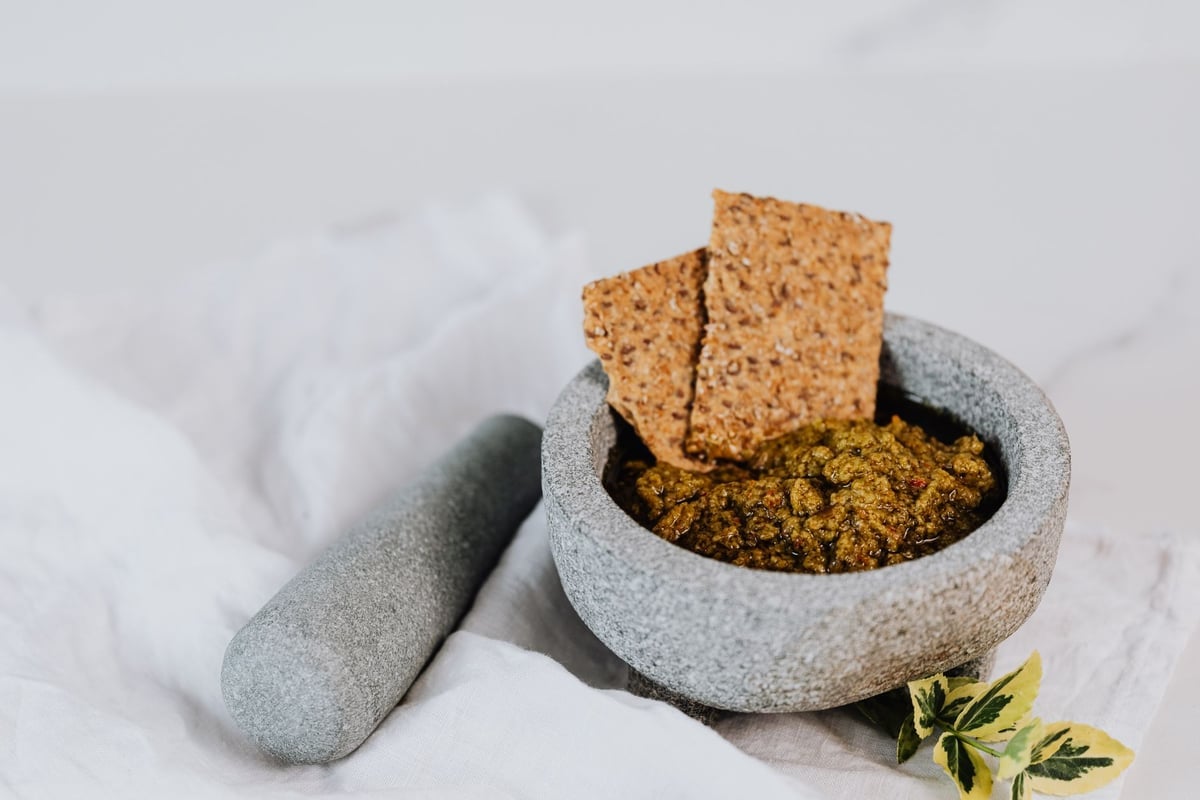
What to do: After opening, press a thin layer of olive oil over the surface of the pesto before replacing the lid. This helps limit air exposure. Still, follow the timeline on the label, write the opening date on the lid, and don’t push it past two weeks even if it looks fine. Freeze leftover homemade pesto in ice cube trays if you won’t use it within a few days.
4. Creamy Salad Dressings
Ranch, blue cheese, Caesar, green goddess. These creamy dressings are regulars on the fridge door, and they tend to linger there for a long time. Opened creamy salad dressings are generally good for about one to two months in the refrigerator, per the USDA FoodKeeper app, though the label on your specific bottle should take priority.
The fridge door is actually one of the worst places to store these. Door shelves experience more temperature swings than interior shelves because the door opens and closes multiple times a day. For a dairy-based or egg-based dressing, that inconsistency speeds up spoilage.
Vinaigrettes and oil-based dressings last longer than creamy ones, but creamy versions go off faster because of their dairy and egg content. A sour smell, a watery separation that doesn’t remix, or a change in color are all signs it’s time to let go.
What to do: Move your creamy dressings off the door and onto a middle or lower shelf where the temperature is more consistent. Date the bottle when you open it, and don’t assume the “best by” date applies after opening since it usually refers to the unopened product.
5. Pure Maple Syrup
This one surprises a lot of people. Pure maple syrup looks and acts shelf-stable, so it often lives in the pantry even after opening. That’s a mistake.
Pure maple syrup (not pancake syrup made with corn syrup, which has different properties) must be refrigerated after opening. Unopened, it can be stored in a cool, dark pantry. But once you crack the seal, it becomes vulnerable to mold. The USDA FoodKeeper recommends refrigerating opened pure maple syrup, where it can last about a year.
At room temperature after opening, mold can develop on the surface. Maple syrup mold is sometimes mistaken for a harmless sediment or foam, but it’s not. If you see mold on maple syrup, USDA guidance on mold applies: discard it.
What to do: As soon as you open a bottle or can of pure maple syrup, move it to the fridge. If you use it infrequently, this habit alone will save you from throwing out an expensive bottle due to mold. Maple syrup also freezes well if you want to stock up and store it long-term.
6. Natural Peanut Butter
Natural peanut butter, the kind made with just peanuts and maybe salt, with no hydrogenated oils or stabilizers, behaves very differently from conventional peanut butter. That layer of oil floating on top is not just inconvenient. It’s a sign that the oils are prone to going rancid.
The oil in natural peanut butter is unsaturated, which means it oxidizes and turns rancid faster than the stabilized fats in conventional brands. Rancid peanut butter won’t necessarily make you sick, but it tastes bitter and unpleasant, and rancid oils are something you want to avoid consuming regularly. Once opened, natural peanut butter should be refrigerated and used within a few months for best quality.
At room temperature, opened natural peanut butter can go rancid noticeably faster, especially in a warm kitchen. The stirred-in oil gives it more surface exposure to air and heat.
What to do: Refrigerate natural peanut butter after opening. It will become firmer in the fridge, so give it a few minutes at room temperature before spreading if you prefer a softer texture. If your natural peanut butter smells like old oil, crayons, or paint, it’s rancid. Toss it.
7. Jarred Minced Garlic and Homemade Garlic in Oil
This one has a genuine food safety warning attached to it, and it’s worth treating seriously.
Homemade garlic-in-oil mixtures, and herb-in-oil mixtures, are a known botulism risk. Clostridium botulinum, the bacterium that produces botulism toxin, thrives in low-oxygen, low-acid environments, which is exactly what you get when you submerge garlic or fresh herbs in oil. The USDA and the National Center for Home Food Preservation are direct on this point: homemade garlic-in-oil must be kept refrigerated and used within about four days. There is no safe way to store it at room temperature, and no amount of visual inspection will tell you if botulism toxin is present, because it has no smell and no visible signs.
Store-bought jarred minced garlic is different. Commercial products are acidified, meaning the pH is lowered to inhibit bacterial growth. They are safe but still need to be refrigerated after opening and used according to the label, generally within a few months.
What to do: If you make your own garlic or herb oil at home, refrigerate it immediately and use it within four days. Write the date on the container. If you’re not going to use it within that window, freeze it in small portions instead. For everyday use, a commercially acidified jarred product is the lower-risk option, as long as you refrigerate it after opening and follow the label.
How to Tell When Any Condiment Has Turned
Across all seven of these, the signs of spoilage overlap more than you’d think. Here’s what to look for before using anything that’s been open for a while:
- Mold: Any visible mold on a soft condiment means the whole container should go. Don’t scoop around it.
- Off smell: Sour, bitter, rancid, or fermented when it shouldn’t be. Trust your nose.
- Separation that won’t fix: Some separation is normal and stirs back together. If it doesn’t re-emulsify after stirring, that’s a sign of breakdown.
- Color change: Browning, graying, or unusual discoloration in something that used to look bright and consistent.
- Bulging lid: A lid that has expanded or pops up indicates gas production inside the jar. Do not open it. Discard it carefully.
One habit that helps more than any other: write the date you opened a condiment directly on the lid or label with a permanent marker. It takes two seconds and removes any guesswork about how long something has been sitting there.
A Note on Condiments That Actually Do Last
Ketchup, mustard, soy sauce, and most hot sauces are a different story. Their acidity and salt content give them a much longer shelf life after opening. The USDA FoodKeeper lists opened ketchup at about six months refrigerated, and similar timelines apply to mustard and soy sauce. These are not the condiments to worry about. The seven above are.
Quick-Reference Checklist
- Mayonnaise: Refrigerate after opening, use within about 2 months, never leave out more than 2 hours.
- Jarred salsa: Refrigerate after opening, use within about 1 month. Fresh refrigerated salsa: use much sooner, check label.
- Pesto: Refrigerate after opening, use jarred within 1 to 2 weeks, homemade within a few days. Freeze extras.
- Creamy salad dressing: Refrigerate, use within about 1 to 2 months, store on a middle shelf (not the door).
- Pure maple syrup: Refrigerate after opening, watch for mold, use within about 1 year refrigerated.
- Natural peanut butter: Refrigerate after opening, discard if it smells rancid.
- Homemade garlic or herb in oil: Refrigerate immediately, use within 4 days or freeze. Store-bought acidified jarred garlic: refrigerate after opening, follow the label.
Write the opening date on every lid. Your senses and the label beat any general guideline, so when something smells or looks wrong, act on it.
- 0shares
- Facebook0
- Twitter0
- Pinterest0