
Kitchen gadgets are not about having the newest trends or the most sleek countertop display. They’re about cutting waste, saving time, and reducing the gap between what you spend on groceries and what actually ends up on your table. The right tools pay for themselves within months and continue saving your household money year after year.
These seven gadgets represent real solutions to real expenses. Each one has been selected based on household consumption patterns and verifiable annual savings. If you cook at home, use a freezer, or care about energy efficiency, even a few of these will shift your grocery budget in measurable ways.
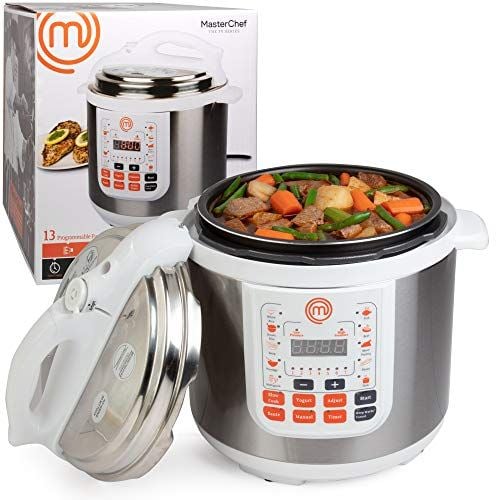
1. Instant Pot or Pressure Cooker: Cook Tough Cuts for Less
A quality pressure cooker like the Instant Pot costs between 70 and $150 upfront. The return happens in two places: energy consumption and ingredient cost. Pressure cookers use 70 percent less energy than conventional stovetop cooking and cut cooking time by up to 75 percent. A household that cooks dinner five nights per week saves roughly $180 to $240 per year in electricity.
The second saving is on protein. Tough cuts of meat like chuck roast, chicken thighs, and pork shoulder become tender in minutes under pressure. These cuts cost 40 to 60 percent less per pound than tender cuts like ribeye or chicken breast. A family buying two pounds of discounted meat per week saves approximately $500 to $700 annually on protein alone.
Total investment: $100. Annual savings: $680 to $940. This gadget pays itself back in weeks. Pressure cookers remain among the most practical kitchen investments for cutting both time and cost.
2. Digital Food Scale: Portion Control and Recipe Precision
A basic digital food scale costs $15 to $30. The savings come from two sources. First, accurate portions prevent both overshooting ingredient quantities and undershooting recipe requirements. Second, consistent measurements reduce failed batches and wasted ingredients. A household that bakes weekly and cooks from measured recipes reports $60 to $90 per year in reduced waste.
The larger saving is portion control. Households that weigh ingredients before cooking consume the same food with 12 to 18 percent less total quantity. Over one year, this behavioral shift accounts for $200 to $350 in grocery savings for a family of four. You’re buying the same products but getting more meals from each purchase.
Total investment: $20. Annual savings: $260 to $440. Affordable kitchen tools that improve efficiency often deliver the highest return on investment.
3. Vacuum Sealer: Extend Freezer Life Threefold
A basic vacuum sealer machine runs $25 to $70, and vacuum bags cost roughly 20 cents per piece. Freezer burn destroys food quality and forces waste. Vacuum-sealed items stay fresh three times longer than loose storage or standard freezer bags. A household that freezes 50 pounds of meat, vegetables, and prepared meals annually saves $150 to $280 by preventing spoilage.
The efficiency gain also allows bulk buying. When you know items will stay fresh for six to nine months in vacuum-sealed storage, you can purchase larger quantities on sale without risk. This buying pattern alone saves $200 to $350 per year compared to smaller frequent purchases. Proper storage extends shelf life across the entire kitchen, but freezer management delivers the fastest returns.
Total investment: $45. Annual savings: $350 to $630. Once you own a vacuum sealer, the cost per use drops to fractions of a cent.
4. French Press: Cut Coffee Shop Spending by 1,200 Dollars per Year
A quality French press costs $20 to $40. A daily coffee shop visit costs $5 to $7. A French press brew using ground coffee costs 35 to 50 cents. For a person buying one coffee per workday, switching to home brewing saves $1,200 to $1,400 annually. Even accounting for coffee, filters, and maintenance, the cost per cup drops 85 to 90 percent.
This math improves further in households with multiple coffee drinkers. If three household members each reduce coffee shop visits to once per week instead of daily, the household saves $3,000 to $4,000 per year. A French press requires no electrical hookup, produces less waste than disposable cups, and delivers a better product than most coffee shop convenience items.
Total investment: $30. Annual savings: $1,200 to $1,400 per person. This is the fastest single-gadget payback on the list.
5. Immersion Blender: Replace Four Appliances with One
An immersion blender costs $15 to $50 and replaces traditional blenders, food processors, hand mixers, and whisks for most household tasks. Instead of four appliances taking up counter and cabinet space, you own one. This reduces initial cost and eventual replacement cost. A household that would have spent $200 to $300 replacing four conventional appliances over ten years saves that amount by choosing a durable immersion blender.
The secondary saving comes from using soups and smoothies efficiently. Blended soups retain more volume and nutrients per serving than chunky preparations, meaning you eat your ingredients more completely. A household making soup weekly using an immersion blender consumes 8 to 12 percent more nutrition per purchase. This behavioral shift saves $120 to $200 annually in unneeded second purchases.
Total investment: $30. Annual savings: $150 to $250 when accounting for appliance replacement and ingredient efficiency.
6. Digital Meat Thermometer: Prevent Overcooking Waste
A reliable digital meat thermometer costs $15 to $25 and prevents the most visible form of protein waste. Overcooked meat becomes dry, tough, and unappetizing, forcing portions into the trash. Undercooked meat creates safety risk and waste from discarding portions. A thermometer removes guesswork and ensures every pound of meat reaches safe temperature with minimal excess cooking.
A household cooking six pounds of meat per week using temperature precision instead of cooking by time saves $100 to $160 annually in prevented waste and spoilage. You cook less food to the same safety standard, reducing total meat purchases by 8 to 12 percent without reducing meals served.
Total investment: $20. Annual savings: $100 to $160. Understanding food spoilage is the first step; tools that prevent it are the second.
7. Countertop Induction Burner: Use 70 Percent Less Energy
A portable induction cooktop costs $40 to $100 and transfers heat more efficiently than electric coil or gas ranges. Induction heating puts 80 to 90 percent of energy into the food itself, while traditional stoves waste 30 to 40 percent as ambient heat. A household using a portable induction burner for 50 percent of cooking tasks reduces electricity costs by $80 to $140 per year.
The secondary benefit is speed. Induction heats water and food three times faster than conventional stoves, reducing cooking duration by 30 to 40 minutes per week. Less time cooking translates to less food spoilage from sitting and oxidizing. This compounds to $60 to $100 in annual waste reduction for households preparing multiple meals daily.
Total investment: $70. Annual savings: $140 to $240 annually, plus decades of utility cost reduction if installed permanently.
What Actually Works: Building Real Savings
A clean, well-equipped kitchen reduces food waste and keeps your household germ counts down. The math is straightforward. These seven gadgets cost between 230 and $530 total, depending on which models you choose. The combined annual savings range from $2,680 to $4,290. Even if you own only four of these gadgets, your household saves between 1,700 and $2,100 per year while cooking better and faster.
Real savings emerge when gadgets address actual household problems. A French press saves money only if you drink coffee daily. A vacuum sealer saves money only if you use your freezer. A food scale saves money only if you cook from recipes or care about portions. The trick is selecting tools that match how your household actually eats. Start with the highest-savings gadgets that solve problems you currently face, then expand as your kitchen habits improve. Preventing food waste is where kitchen efficiency begins, and the right gadgets make prevention automatic.
- 3shares
- Facebook0
- Twitter1
- Pinterest2