
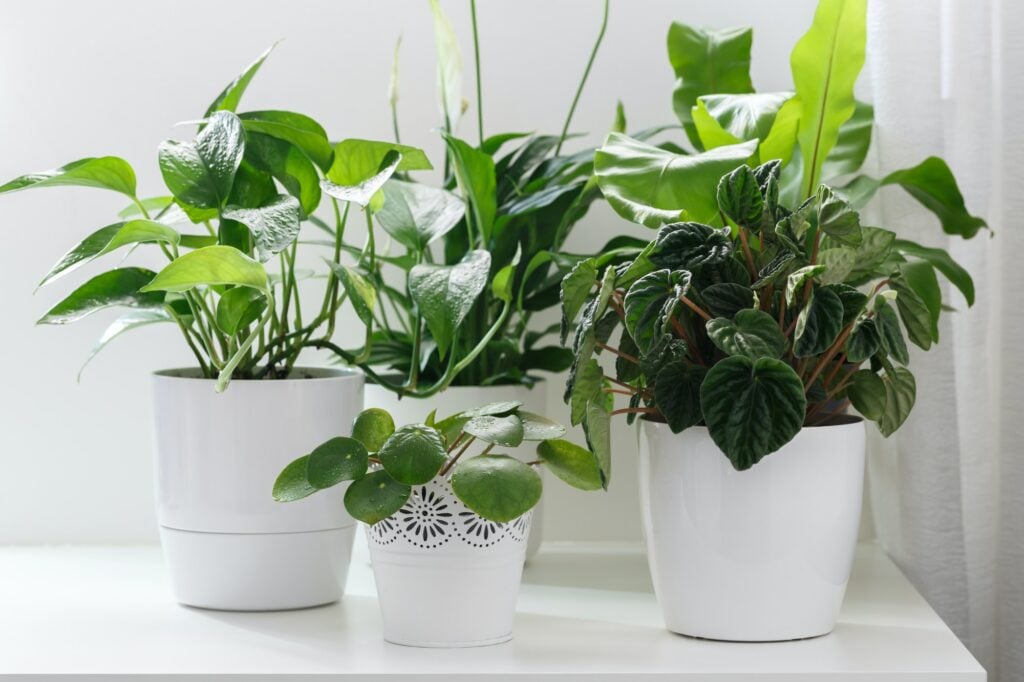
The 1989 NASA Clean Air Study documented that specific houseplants absorb formaldehyde, benzene, and trichloroethylene in sealed laboratory chambers. That research sparked the “indoor plant purifier” trend, but the real story is more measured. In actual homes with doors, windows, and air movement, plants filter modest amounts of volatile organic compounds while adding humidity, trapping dust on leaves, and giving you a reason to maintain better air management habits.
Houseplants cost $10 to $50 each, while a single allergy or asthma doctor visit runs $150 to $300. The comparison matters because the best plants work not as replacements for ventilation and cleaning, but as part of a larger strategy to reduce indoor toxins. Choose hardy species that you can keep alive, pair them with open windows and dust control, and pair them with habits that cost far less than the medical bills that poor indoor air can trigger.
1. Snake Plant (Sansevieria trifasciata)
Snake plant tolerates low light and irregular watering, making it one of the safest choices for homes where overwatering is a risk. This matters because wet soil triggers mold, fungus gnats, and floor damage that costs far more to fix than the plant itself.
A small snake plant costs $15 to $35, while repairing a water-stained wood surface can cost $150 to $600. Place it in a pot with drainage and use a saucer that cannot overflow. Wipe the leaves monthly so dust does not build up on the surface.
The NASA study found that Sansevieria trifasciata absorbed formaldehyde in sealed chambers. In your home, the benefit is smaller, but the plant also asks very little from you. Dusty leaves cannot trap particles or add humidity, so your maintenance matters more than the plant’s botanical properties.
2. Spider Plant (Chlorophytum comosum)
Spider plants are forgiving, inexpensive, and easy to propagate. They work well in kitchens, laundry rooms, and bright living spaces because they tolerate neglect and still reward basic care.
A mature spider plant costs $12 to $30, and this species is non-toxic to cats and dogs. Keep the soil lightly dry between waterings because constantly wet soil invites gnats, and a pest problem near food sources can connect to larger pantry issues. See our guide to pantry pest problems for the full picture.
Trim brown tips instead of overcorrecting with more water. Most spider plant problems come from too much attention, not too little. The plant will signal thirst by losing vigor, so you can trust the visual cues you see.
3. Boston Fern (Nephrolepis exaltata)
Boston ferns add humidity to dry rooms, which can improve comfort and reduce respiratory irritation. The tradeoff is that they need consistent moisture and will shed more than tougher plants.
A Boston fern costs $18 to $45. Use them only in rooms with tile, trays, or washable flooring, because a fern that drips onto wood every week can create $300 to $900 in floor damage. If your home already has musty corners or hidden moisture, do not add a fern until you fix ventilation first.
Poor ventilation plus added moisture creates the exact conditions that mold, dust mites, and pests love. The Boston fern looks healthy even as your home deteriorates behind it. Start with proper bathroom ventilation before you invest in humidity-loving plants.
4. Peace Lily (Spathiphyllum wallisii)
Peace lilies look polished and signal when they need water by wilting visibly. That makes them easier than plants that fail silently, but there is a serious catch: they are toxic to cats, dogs, and children.
A peace lily costs $20 to $40. A vet visit for accidental ingestion can cost $300 to $500, and a damaged rug or medical emergency turns a inexpensive plant into a crisis. The ASPCA and pet poison hotlines list Spathiphyllum as toxic because of calcium oxalate crystals that irritate mouth and digestive tissues.
Use peace lilies only in homes without pets or in controlled spots that children and animals cannot reach. If you want to improve air quality in a pet home, skip this one. The benefit is not worth the risk, and there are safer options in this list.
5. Rubber Plant (Ficus elastica)
Rubber plants have large leaves that collect dust, which makes them useful only if you actively maintain them. A neglected rubber plant becomes just another dusty surface, defeating its purpose.
A rubber plant costs $15 to $50 depending on size. Place it in bright indirect light and rotate it so growth stays balanced. Use a heavy pot because a tipped plant can spill soil and water across flooring or carpet, causing stains that set fast.
If spills happen, clean immediately. You may need the same steps used for getting rid of carpet stains to remove marks. Regular wiping of the leaves takes 5 minutes but makes all the difference between a functioning air cleaner and visual clutter.
6. Pothos (Epipremnum aureum)
Pothos grows almost anywhere, which is why it is popular. That same vigor makes it easy to overgrow, creating clutter that undermines your goal of a cleaner-feeling home.
A small pothos costs $10 to $25. Trim vines before they trail into vents, electrical outlets, or cooking areas. A plant that blocks airflow in a room you are trying to improve defeats the whole point, and a live vine near an outlet creates fire or electrical risk.
Use pothos on high shelves only if the pot is secure. Falling ceramic and wet soil cost far more than the plant itself. The NASA Clean Air Study noted that pothos absorbs formaldehyde and xylene in sealed conditions, but real-world filtering is minimal without active ventilation.
7. Aloe Vera (Aloe barbadensis)
Aloe works well in sunny kitchens and bathrooms because it thrives on neglect. Unlike ferns and peace lilies, it wants dry soil and bright light, making it ideal for rooms where excess moisture is already a problem.
A small aloe plant costs $8 to $25. Do not water on a schedule. Check the soil first because root rot can kill the plant and leave you with a smelly pot full of wet organic matter.
Aloe vera pairs well with a cleaner home routine. Once you stop relying on chemical air fresheners that add more indoor toxins, you can focus on practical fixes. Better household hazard removal and safer storage habits cost nothing and work far better than plants alone.
What Actually Works: Plants Plus Real Air Fixes
The best houseplants support a cleaner home, but they do not replace ventilation, dust control, leak repair, or source removal. The NASA study was conducted in sealed laboratory chambers where plants had no competing air movement. In your home, the filtering effect is much smaller because your HVAC system, open windows, and doors move air far faster than any leaf can absorb.
Choose plants you can keep alive without overwatering. Start with three to five sturdy species, not twenty fragile ones. Budget $60 to $150 for plants, pots, saucers, and soil, then protect your floors and furnishings before water damage starts.
If your home smells stale, look for moisture in walls and crawl spaces, dirty fabrics, pest infestations, and chemical fragrances first. Address neglected home maintenance before you spend money on air purifiers or endless plants. Plants help most when they are part of a larger plan to reduce indoor sources, improve ventilation, and keep the air clean naturally.
- 11shares
- Facebook0
- Twitter1
- Pinterest10