
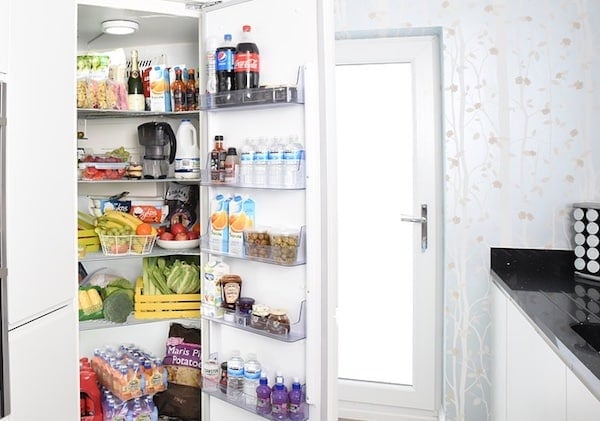
Your refrigerator runs 24 hours a day, and small operational mistakes add up fast. This guide walks you through seven specific habits that are costing you money and damaging your equipment. Each section pinpoints exactly what goes wrong, what the damage looks like, and what it costs to fix.
Start with the lowest-cost habit change, then move to repairs or replacements only when the signs point that way. This approach keeps your home budget under control while protecting your food supply and your appliance investment.
Ignoring Dirty Condenser Coils Wastes Up To $180 Per Year
The condenser coils sit at the back or bottom of your refrigerator and release heat as the compressor works. When dust, pet hair, and debris coat these coils, the fridge must work harder to dissipate that heat, running the compressor longer and more frequently. A study by the U.S. Department of Energy found that dirty coils increase energy consumption by up to 25 percent on older units.
You can vacuum these coils yourself in about 15 minutes. Unplug the fridge, pull it away from the wall, and use a refrigerator coil brush or soft vacuum attachment to clean the coil surface and the space behind the unit. Do this once per year as routine maintenance. The cost is zero if you use tools you already own, and the energy savings work out to roughly $15 to $180 annually depending on your local electricity rates and fridge age.
Letting coils stay dirty shortens the lifespan of your compressor because it runs at higher temperatures and under constant strain. Repair calls for compressor problems run $400 to $800, so annual cleaning is one of the cheapest preventive steps you can take.
Running Your Fridge At The Wrong Temperature Costs $85 To $240 Per Year
The FDA recommends keeping your refrigerator at 37 to 40 degrees Fahrenheit and your freezer at 0 degrees Fahrenheit or below. Storing pantry overflow nearby can also trigger pest-paradise conditions. Many people set their fridges colder than necessary, running the compressor harder and burning more electricity. Even a 5-degree difference below the recommended temperature can increase energy use by 15 to 20 percent.
Check your fridge temperature with an inexpensive appliance thermometer from a grocery or hardware store. If your dial or digital display has numbers instead of temperature readings, the middle setting is usually closest to FDA guidelines. Adjusting the thermostat to the correct range saves between 85 and $240 per year depending on your region and fridge model. A Samsung or LG ENERGY STAR model uses about 15 to 25 percent less energy than a non-certified unit, so if you are replacing an older fridge, this is where the biggest savings kick in.
Running too cold also accelerates food spoilage because ice crystals form faster and cellular breakdown happens more quickly. You are paying more to run the fridge and getting worse food quality as a result.
A Leaking Door Gasket Costs $60 To $150 Annually
The rubber seal around your fridge door keeps cold air inside. When this gasket cracks, warps, or separates from the frame, warm air leaks in continuously. You can test the seal by closing the door on a dollar bill: if the bill slides out easily, the gasket needs replacement.
A failing gasket forces the compressor to run nearly twice as long to maintain internal temperature, wasting 10 to 15 percent of your annual electricity. Over 12 months in a warm climate, that adds up to $60 to $150 in wasted energy. Replacement gaskets for most major brands like Whirlpool, GE, and LG cost $30 to $90 and take 10 to 20 minutes to install without professional help. You push the new gasket into the channel that runs around the door frame and snap it in place.
Ignoring a bad gasket also creates temperature swings that spoil food faster and allow bacteria to colonize the interior more aggressively. The resulting food waste and potential foodborne illness make the seal failure more expensive than the gasket itself, which connects to the food expiration warnings every household should know.
Packing The Fridge Too Tightly Blocks Airflow and Reduces Efficiency By 20 Percent
Cold air circulates inside the fridge through vents and channels. If you block these with too many items or pack food too densely, airflow stops and temperature becomes uneven. Warm spots develop where cold air cannot reach, forcing the compressor to run longer to bring the overall temperature down.
Leave a small gap of one to two inches between items and ensure nothing is blocking the air vents on the back or sides of the fridge interior. This simple habit adjustment costs nothing and restores normal energy efficiency. Packing efficiently also reduces the amount of wasted food because air circulation helps distribute cold evenly and slows bacterial growth. The combination of lower electricity use and less spoilage saves you roughly $40 to $80 per year depending on how much overcrowding you were doing.
Dense packing also raises the interior temperature above safe levels in spots, making certain foods go bad faster in the refrigerator and increasing your risk of keeping expired items in rotation.
Placing Your Fridge Near A Heat Source Adds $120 To $300 To Your Annual Electric Bill
Refrigerators work hardest when surrounding air is warm. Placing your fridge directly next to a dishwasher, oven, or radiator forces the compressor to fight external heat while cooling internal space. This placement alone can increase energy consumption by 15 to 20 percent because the thermometer inside senses higher baseline temperatures.
If you have flexibility, move the fridge at least two feet away from any heat-generating appliance. If you cannot move it due to kitchen layout, install a simple spacer or thermal barrier between the appliances to block radiant heat. The barrier material costs $15 to $40 and reduces wasted energy by about one-third of the total heat-source impact. In a warm climate or a kitchen where you run the oven or dishwasher frequently, poor placement adds $120 to $300 annually to your electric bill.
Heat exposure also degrades compressor seals and refrigerant tubes faster, shortening the lifespan of your appliance and leading to expensive repairs earlier than normal.
Leaving The Door Open While Deciding What To Eat Costs $40 To $100 Per Year
Every time you open the refrigerator door, cold air escapes and warm air enters. The fridge must then run its compressor longer to re-cool the interior. If you leave the door open while deciding what to eat or preparing ingredients, the compressor works in overdrive for minutes at a time rather than seconds.
Simply deciding what you want before opening the door and moving quickly reduces this waste. This habit adjustment is free and saves $40 to $100 per year in households where people stand in front of the open fridge frequently. Teach children in your home to grab what they need and close the door within five to ten seconds. The cumulative effect of many short openings adds up faster than one long opening because each opening resets the temperature cycle.
Extended door-open time also creates condensation buildup inside the fridge, which accelerates mold growth on walls and shelving and speeds up spoilage of exposed foods.
What Actually Works: Start With These Three Fixes This Week
Your refrigerator gasket sits on the list of dirtiest items in your home for a reason. Vacuum your condenser coils and check your fridge temperature today. Both take less than 20 minutes and cost nothing if you use household tools. Test your door gasket with a dollar bill and note whether it passes or fails, since a leaky gasket also turns your fridge into a bacteria factory. These three checks form the foundation of an efficient fridge.
Next week, if the gasket failed, order a replacement for your specific model. While you wait for it to arrive, stop standing with the door open and make sure nothing is blocking the interior air vents. The habit changes are free and the gasket replacement runs $30 to $90.
Track your electric meter before and after these changes. Most households see a measurable drop within 30 days. That savings compounds month after month, covering the cost of a new gasket in under two months and protecting your appliance investment for years to come. The real win is consistency: these fixes prevent compressor strain, reduce spoilage, and keep food at safe temperatures.
- 7shares
- Facebook2
- Twitter1
- Pinterest3