
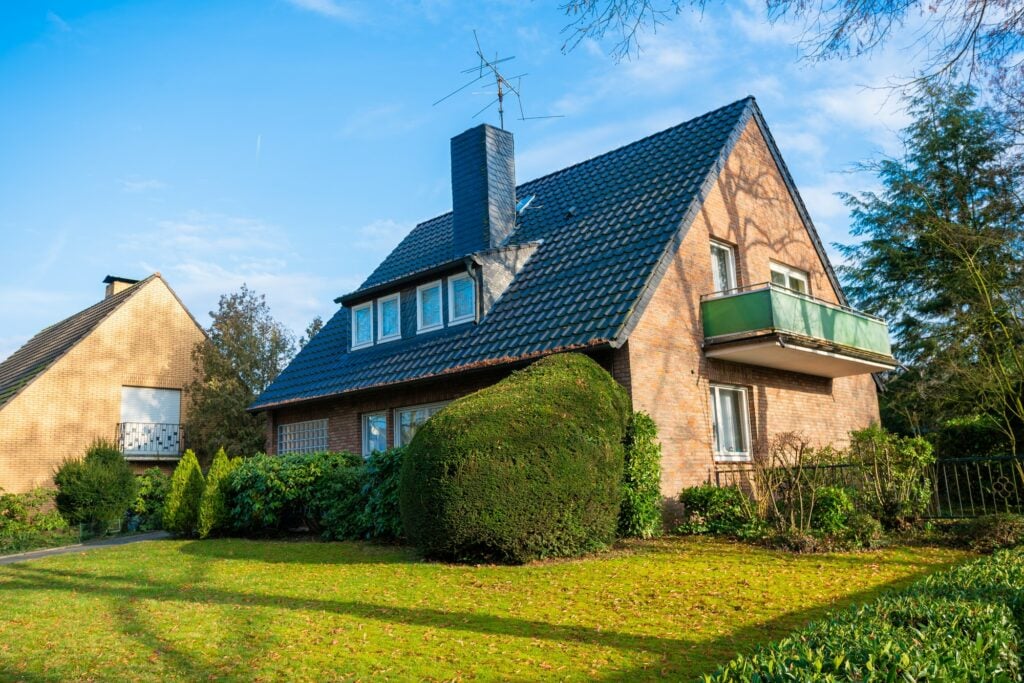
Selling your home means recouping your investment in upgrades. Not every renovation pays back equally. The 2024 Remodeling Magazine Cost vs. Value report reveals which upgrades deliver the best return at resale. This guide focuses on the seven to eight upgrades that recoup 80 percent or more of their cost when you sell, all costing well under $10,000.
1. Steel Entry Door Replacement – 98 Percent ROI
A steel entry door costs roughly $1,500 to $2,500 installed and recoups 98 percent of that cost at resale, according to the 2024 Remodeling Magazine Cost vs. Value report. A $2,000 investment typically returns $1,960, offsetting almost the entire expense. Steel doors resist warping, won’t rot, and maintain appearance for decades with minimal maintenance. Buyers view a quality entry door as proof that other systems have been properly maintained.
The first element visitors see shapes their overall perception of your home. Choose a neutral finish like black, white, or dark gray to appeal to the widest buyer pool. Quality installation matters as much as the door itself. Poor sealing around the frame wastes energy and creates drafts, so hire an experienced installer. See more on tips to selling your home fast for additional first-impression fixes.
2. Garage Door Replacement – 94 Percent ROI
A garage door replacement costs between $1,800 and $4,000 installed and recovers 94 percent of the investment, making it one of the most reliable upgrades for recouping money at resale. A $3,000 garage door returns approximately $2,820. Buyers assess garage condition immediately, and a modern door signals proper home maintenance throughout the property. Rust accumulation, dents, and worn openers instantly signal neglect to potential buyers.
Garage doors fail silently. Springs weaken, panels rust, and operators wear out gradually. By the time you hear grinding noise or slow operation, your door looks shabby to inspectors and buyers. Insulated doors provide better temperature control and durability than uninsulated models. Standard sizes and colors like white, almond, or bronze ensure broad mass appeal. Learn more smart upgrades that deliver similar payback.
3. Manufactured Stone Veneer – 102 Percent ROI
Manufactured stone veneer costs approximately $4,000 to $7,000 to install on partial exterior and returns 102 percent of the cost at resale. A $6,000 installation returns roughly $6,120, giving you a genuine profit. This is the only upgrade on this list that typically returns more than you invest. Stone veneer transforms bland exterior walls into textured, upscale facades. It weighs far less than natural stone, requires no structural reinforcement, and costs half as much while delivering 95 percent of the visual impact.
Apply veneer strategically to focal areas like the front entry, chimney, or porch to maximize curb appeal while controlling costs. Manufactured veneer resists weathering, never requires sealing, and maintains color for the home’s life. Neutral tones like tan, gray, and brown appeal to the broadest buyer base. Pair your veneer upgrade with curb appeal landscaping to multiply the overall visual impact.
4. Vinyl or Fiber-Cement Siding Refresh – 80 Percent ROI
A vinyl or fiber-cement siding replacement on 1,500 square feet costs roughly $8,000 to $12,000 and recovers 80 percent of the investment. A $10,000 project returns $8,000 at sale, recouping the majority of your cost. This upgrade becomes essential when existing siding shows rot, peeling paint, or deep damage, as these issues signal structural concerns to buyers. Vinyl siding requires no painting, rarely needs cleaning, and lasts 20 to 40 years depending on quality and climate.
Fiber-cement siding offers greater durability and a more upscale appearance but costs more and needs occasional painting. Both options resist rot, pests, and weather damage far better than traditional wood siding. Stick with neutral colors: whites, taupes, and light grays to maximize buyer appeal. Avoid bold colors or unusual combinations that date quickly and limit the buyer pool. Don’t forget lawn maintenance to complement your new siding investment.
5. Minor Kitchen Remodel – 71 to 96 Percent ROI
A minor kitchen remodel typically costs $8,000 to $15,000 and returns 71 to 96 percent of the cost depending on scope and local market. A $10,000 remodel returns $7,100 to $9,600. This wide range reflects regional variation: kitchens return more in hot markets and less in slower ones. Focus on visible upgrades like cabinet refacing, new countertops, updated hardware, and fresh paint rather than structural changes or full appliance replacement. Cabinet refacing alone transforms outdated kitchens at a fraction of full renovation costs.
New countertops in neutral materials like granite or quartz signal quality and durability to buyers. Avoid highly personalized choices like unique backsplash colors or stylish cabinet styles that date quickly. Neutral cabinetry, traditional countertop colors, and simple backsplashes appeal to the widest audience. Adequate lighting and a clean, functional layout matter more than luxury finishes. Explore wise kitchen upgrades that balance cost and return.
6. Midrange Bathroom Remodel – 71 Percent ROI
A midrange bathroom remodel costs roughly $10,000 to $15,000 and recovers approximately 71 percent of the investment at resale. A $12,000 remodel returns about $8,520. Bathrooms significantly influence buyer decisions, but the remodel must be done thoughtfully to maximize ROI. Focus on replacing old fixtures, updating vanity and mirror, and refreshing tile or flooring. Avoid removing walls or adding square footage unless you are already doing major work.
Neutral tile colors (white, light gray, or beige) and simple fixtures appeal to broad buyer demographics. Quality matters more than luxury. Lighting, ventilation, and storage rank high on buyer priorities in bathrooms. A poorly ventilated bathroom suggests mold risk and maintenance headaches. Adequate storage prevents the space from feeling cramped. Avoid costly bathroom renovation mistakes that can derail your payback timeline.
7. Asphalt Roof Replacement – 60 Percent ROI
A new asphalt roof on a 2,000-square-foot home costs approximately $8,000 to $12,000 and returns 60 percent of the investment. A $10,000 project returns roughly $6,000. This lower return reflects the fact that buyers expect a sound roof as a basic requirement rather than a luxury upgrade. Still, a roof near the end of its life is a dealbreaker for many buyers, making replacement essential even with modest payback.
Asphalt roofing lasts 15 to 25 years depending on climate and maintenance. Home inspectors scrutinize roof condition closely, and visible wear, algae stains, or missing shingles instantly lower offers. A new roof removes this inspection obstacle. Standard colors like gray, brown, and black appeal to more buyers than unusual tones. Warranty coverage matters; roofs backed by strong warranties suggest quality installation. Learn proper roof maintenance to protect your investment.
8. Heat Pump Conversion – Federal Tax Credit Plus Utility Savings
A heat pump conversion costs roughly $8,000 to $12,000 installed but qualifies for up to $2,000 in federal tax credits under the Inflation Reduction Act, effectively reducing the cost to $6,000 to $10,000. Beyond immediate tax benefits, heat pumps lower monthly energy bills by 30 to 50 percent compared to traditional heating and cooling systems, appealing to environmentally conscious buyers and cost-conscious homeowners alike.
Heat pumps serve dual roles: heating in winter and cooling in summer from a single system. They operate more efficiently than traditional furnaces and air conditioners, especially in moderate climates. Federal incentives specifically favor heat pump adoption, meaning buyers recognize and value this upgrade for both immediate savings and long-term environmental benefits. While direct ROI from heat pumps is harder to measure at resale than other upgrades, the combination of tax credits, lower operating costs, and buyer preferences for efficiency makes this upgrade financially sound. Smart home upgrades including heat pumps create modern, efficient homes buyers actively seek.
What Actually Works: Choose Upgrades That Pay Back
Home upgrades serve two purposes: making your home more comfortable to live in today and protecting your investment when you sell. The 2024 Remodeling Magazine Cost vs. Value report shows that steel entry doors, garage door replacements, and manufactured stone veneer offer the strongest payback at 80 to 102 percent recovery. Kitchen and bathroom remodels return 71 to 96 percent depending on scope and market.
Choose upgrades based on current condition as well as future payback. A roof with missing shingles must be replaced regardless of ROI, while a cosmetic kitchen remodel can be deferred. Prioritize visible exterior improvements like entry doors and siding when selling in the near term, and focus on durable systems like HVAC when keeping the home longer. Understanding home valuation helps you choose upgrades that align with buyer priorities in your market. The highest returns come from upgrades that solve real problems rather than luxury additions. Focus your budget on upgrades that deliver both immediate living comfort and strong resale payback, and you’ll make decisions benefiting your home and wallet for years.
- 1share
- Facebook0
- Twitter0
- Pinterest1